
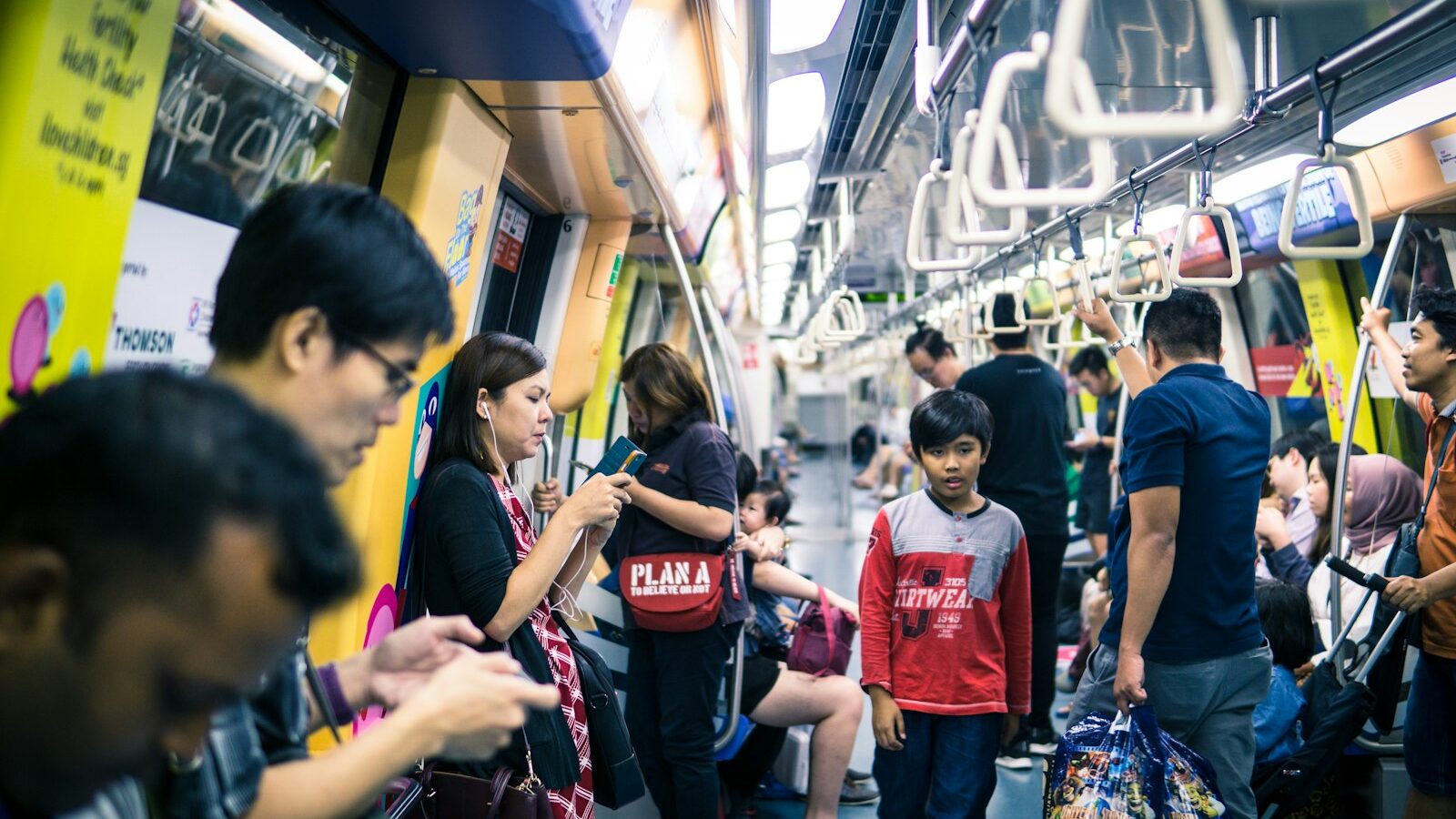
If you have just moved here or started a new job across the island, the daily journey can feel like a puzzle. The good news is that commuting singapore is one of the easier things to get right, because the network is dense, reliable and well signposted once you know how to work with it. The trick is less about the trains and buses themselves and more about how you plan, time and combine them. This guide pulls together practical habits that make the daily trip smoother: choosing better routes, dodging the worst of the peak crush, using apps for live arrivals, understanding how transfers are charged, staying comfortable in the heat and rain, and solving the short hop at each end of your journey. None of it requires a car, and most of it just needs a little forethought.
Plan Your Route Before You Rely On It
The first mistake newcomers make is trusting the most obvious route rather than the smartest one. The fastest path on a map is not always the fastest in practice, because a direct train line may involve a long walk to the platform, while a bus that leaves from your doorstep can win overall. Before your first week settles into habit, test a couple of options and time them honestly, including the walk at both ends and any waiting.
A journey planner such as the official land transport app, or a mainstream maps app, will suggest train-only, bus-only and mixed routes side by side. Compare them for total door-to-door time rather than just the in-vehicle portion. It is also worth knowing a backup route, because if a line has a delay you do not want to be working it out on the spot. A few minutes of planning at the start saves a lot of daily friction later.
Time Your Trip To Miss The Crush
Singapore’s morning and evening peaks are genuinely busy, and the difference between travelling inside and just outside them is huge. Trains and buses run most frequently during peak hours, so you rarely wait long, but they are also at their most packed, and you may have to let a full train pass at interchange stations. If your working hours have any flexibility, shifting your journey even fifteen to twenty minutes earlier or later can mean the difference between standing squashed and finding space to breathe.
A few timing habits help:
- Leave a little earlier and enjoy a calmer trip, rather than leaving on the dot and racing a crowd.
- Avoid the tightest window at major interchanges, where several lines feed in at once.
- If you can start work early or late, ask about it, because off-peak travel is more comfortable and often quicker end to end.
- Build in a buffer so a single delayed train does not make you late, which removes most of the daily stress.
Fares can also differ by time of day and there have been off-peak travel schemes in the past, so check the current fare rules and any promotions with LTA rather than assuming, since these change from time to time.
Use Apps For Live Arrivals And Transfers
Standing at a bus stop wondering if you have just missed your bus is the old way of commuting. Live-arrival tools now tell you when the next bus or train is due, how full incoming buses are, and whether a line is disrupted. Set up the official transport app and one maps app, and you will rarely be caught out. Knowing a bus is seven minutes away lets you grab a drink or wait in the shade instead of standing on the kerb.
One thing worth understanding is how transfers are charged. In Singapore, fares are distance-based across a whole journey rather than a flat fee per ride, and there is a transfer scheme that lets you change between buses and trains within a set time without paying a fresh boarding charge each leg, up to a capped number of transfers per journey. In practice this means a sensible bus-then-train combination is not automatically punished on price, so you can choose the route that is fastest or most comfortable. The exact rules, timing windows and fare structure are set by LTA and adjusted periodically, so confirm the current details and any capping rules with LTA or your fare card provider rather than relying on rough memory.
Stay Comfortable In The Heat And Rain
The climate shapes the commute as much as the timetable. Trains and many buses are air-conditioned, but the walk to and from stops is where the heat gets you, so dress for the outdoors part of the trip, not the indoors part. Light, breathable clothing, a small water bottle and a compact umbrella that doubles for sun and rain will carry you through most days. Many will change into work clothes on arrival rather than sweat through them on the way.
Wet weather deserves its own plan. Sudden heavy showers are normal, and they slow buses and fill trains as people seek shelter. Sheltered walkways connect a lot of stops and buildings, so learn the covered routes near home and work. On a rainy morning, add extra time, expect fuller vehicles, and consider a route with more sheltered walking even if it is slightly longer. A cheap foldable umbrella kept in your bag is the single most useful commuting item in Singapore.
Solve The First And Last Mile
The gap between your home or office and the nearest stop, often called the first and last mile, is where a good commute is won or lost. The main line does the heavy lifting, but that short hop at each end decides how convenient the whole trip feels.
| Commute challenge | Practical tip |
|---|---|
| Peak-hour crush | Shift your trip 15 to 20 minutes off the peak and travel calmer |
| Not knowing when the bus comes | Use a live-arrival app and wait in the shade until it is close |
| Paying twice when changing modes | Use the transfer scheme so a bus-plus-train combo is charged as one journey |
| Heat on the walk to the stop | Dress light, carry water and an umbrella, use sheltered walkways |
| Sudden rain | Add time, pick covered routes, keep a foldable umbrella in your bag |
| Long walk to the station | Take a feeder bus, cycle, or use a park-and-ride or shared bike for the last mile |
For that first and last mile, options include a short feeder-bus ride, walking the sheltered route, cycling on the growing network of paths, or a shared bicycle for the final stretch. Combining modes like this, known as a multimodal commute, is often the real secret to a fast door-to-door time. A five-minute cycle to the station can beat a fifteen-minute walk and turn an awkward route into an easy one.
Make The Commute Work For You
Finally, treat the time as yours rather than dead time. A predictable off-peak train is a decent place to read, clear messages, listen to a podcast or simply decompress before or after work. Setting up a couple of downloaded playlists or a reading list turns the journey into something you get value from rather than merely endure. Charge your phone the night before, keep your fare card topped up so you never scramble at the gate, and the daily trip becomes a routine you barely have to think about.
Explore more
For the backbone of most journeys here, read our guide to the MRT system explained, which covers lines, interchanges and how the network fits together. If you are weighing up life without owning a vehicle, see getting around Singapore without a car for the full picture of car-free travel across the island.