
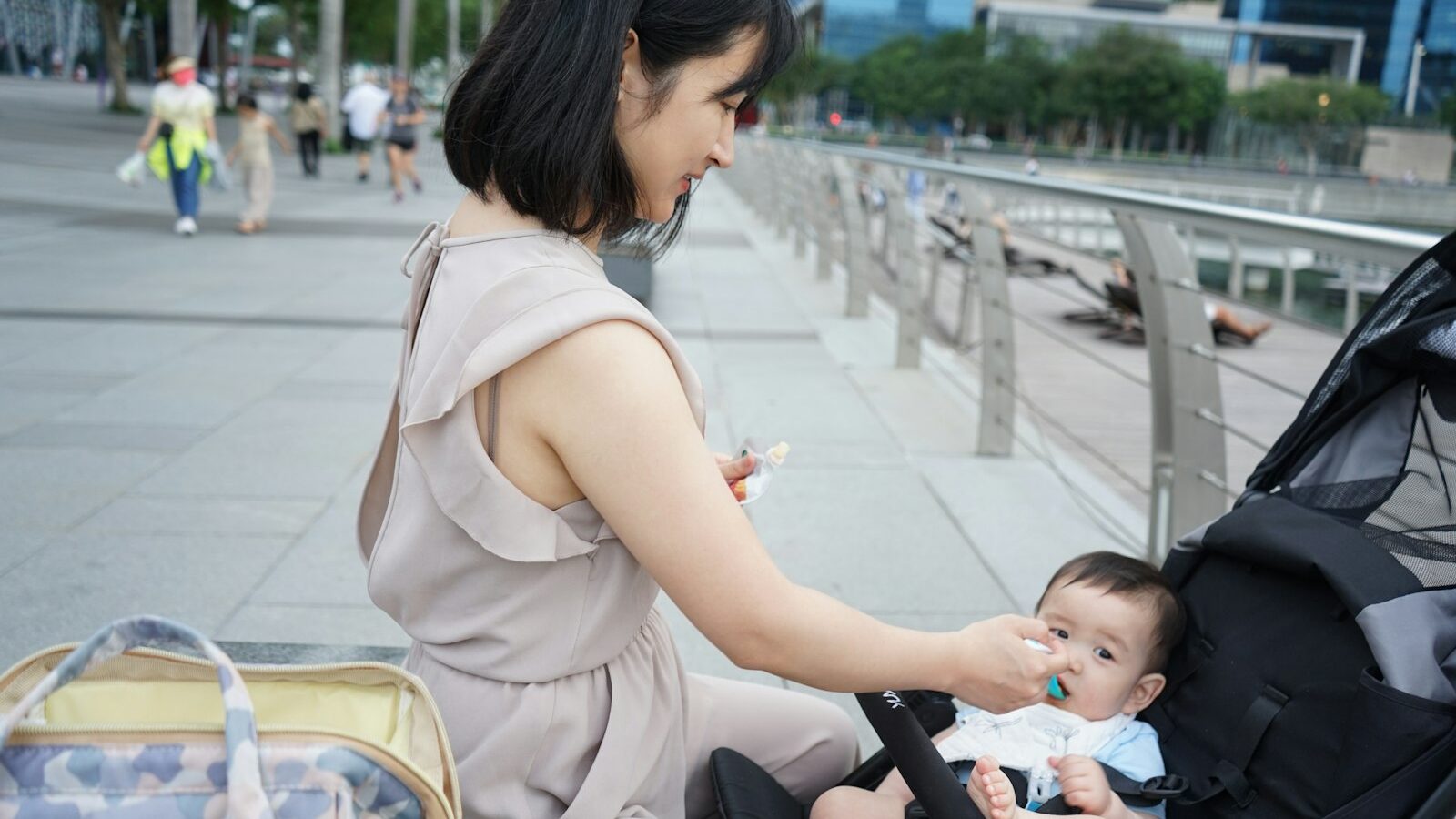
Some babies simply feel everything more intensely. They cry harder, sleep lighter, need to be held almost constantly, and seem to protest at every change. If you are raising a high needs baby in Singapore, you are not imagining it and you are not doing anything wrong. Your baby is not spoiled and you are not a bad parent. Some infants are born with a more sensitive, alert temperament, and parenting them takes more energy than most people around you may understand.
This guide offers reassurance and practical ideas for the day to day, along with a gentle reminder that looking after yourself is not optional. It is general information, not medical advice. If you ever feel that you cannot cope, or your own mood is slipping, please reach out to your doctor or a postnatal support service. Asking for help is a sign of strength, not failure.
What “High Needs” Actually Means
“High needs” is not a medical diagnosis. It is a everyday way of describing a baby who needs more, more holding, more soothing, more feeding, more predictability, and who reacts strongly when those needs are not met. You might notice several of these traits together.
- Intense reactions, where cries are loud and sudden rather than gentle grizzling.
- Wanting to be carried or held almost all the time, and protesting the moment they are put down.
- Feeding often and unpredictably, and being hard to settle afterwards.
- Waking frequently and struggling to fall back asleep alone.
- Being very sensitive to noise, light, heat, wet nappies, or a busy room.
- Disliking change, so a new routine or an unfamiliar face can trigger real distress.
None of this predicts a difficult child later on. Many intense babies grow into curious, passionate, deeply engaged toddlers and children. In the newborn haze it helps to remember that this stage is exhausting, but it does pass.
Soothing Strategies That Genuinely Help
Every baby is different, so treat these as a menu to try rather than a checklist to master. What works one week may stop working the next, and that is normal.
Carrying and closeness often help the most. A good baby carrier or sling lets you keep your baby against your chest while freeing your hands, which is a lifesaver in a small HDB flat when you still need to eat, tidy, or make a drink. The steady rhythm of your walking and heartbeat is deeply calming.
Reduce the sensory load. Singapore homes can be bright, warm, and busy. Try dimming the lights, drawing the curtains, switching off the television, and keeping the room comfortably cool. White noise, a fan, or a low steady hum can mask the sudden sounds that startle a sensitive baby.
Build gentle predictability. Intense babies often settle better when the day has a loose, repeating shape, feed, play, calm, sleep, even if the timings drift. A simple wind down before naps, the same dim room and quiet cuddle each time, tells your baby what comes next.
Move and sway. Slow rocking, a walk around the block in the cooler evening, or a car ride can shift a baby out of a crying spell. Warm skin to skin contact after a bath can also help reset a fraught afternoon.
If the crying feels relentless, it is worth understanding the difference between an intense temperament and colic or a medical issue. Our guide on coping with colic and a crying baby walks through what is normal and what is worth a doctor’s visit, and learning to read your baby’s different cries can make the day feel less like guesswork.
Looking After Yourself Matters Too
You cannot pour from an empty cup, and a high needs baby will test your reserves like nothing else. Broken sleep, constant holding, and a baby who cries no matter what you try can wear down even the most patient parent. This is where self care stops being a luxury and becomes a necessity.
Share the load wherever you can. If you have a partner, take turns so each of you gets an unbroken stretch of sleep. Grandparents and helpers are common sources of support in Singapore, and letting someone else hold the baby for an hour so you can shower, nap, or simply sit quietly is not indulgent. It keeps you steady. Our piece on recharging and self care for parents has more ideas for protecting your own wellbeing.
Lower your expectations of everything else. The flat does not need to be spotless. Meals can be simple. Say yes to help and no to anything that drains you further.
Talk to other parents. Feeling isolated makes hard days harder, and simply hearing “mine was like that too” can be a relief.
When to Seek Help
Reach out to your doctor or paediatrician if your baby’s crying seems different, if there are signs of illness, poor feeding, or fewer wet nappies, or if you are worried something is medically wrong. A high needs temperament is not an illness, but a doctor can rule out causes like reflux or an allergy.
Just as importantly, watch your own mind. Persistent low mood, constant anxiety, feeling numb or hopeless, or frightening thoughts are not things to push through alone. These can be signs of postnatal depression, which is common and very treatable. Please speak to your doctor, or read our guide on postnatal depression and mental health and reach out to a postnatal support service. If you ever feel you might harm yourself or your baby, seek help immediately or call 995.
A Gentle Wrap Up
Raising a high needs baby is genuinely one of the hardest seasons of early parenthood, and doing it while running low on sleep makes it harder still. Be kind to yourself. Try one soothing idea at a time, accept every offer of help, and hold on to the knowledge that this intensity is a stage, not a verdict on your baby or on you. You are doing enough, and you do not have to do it alone.