
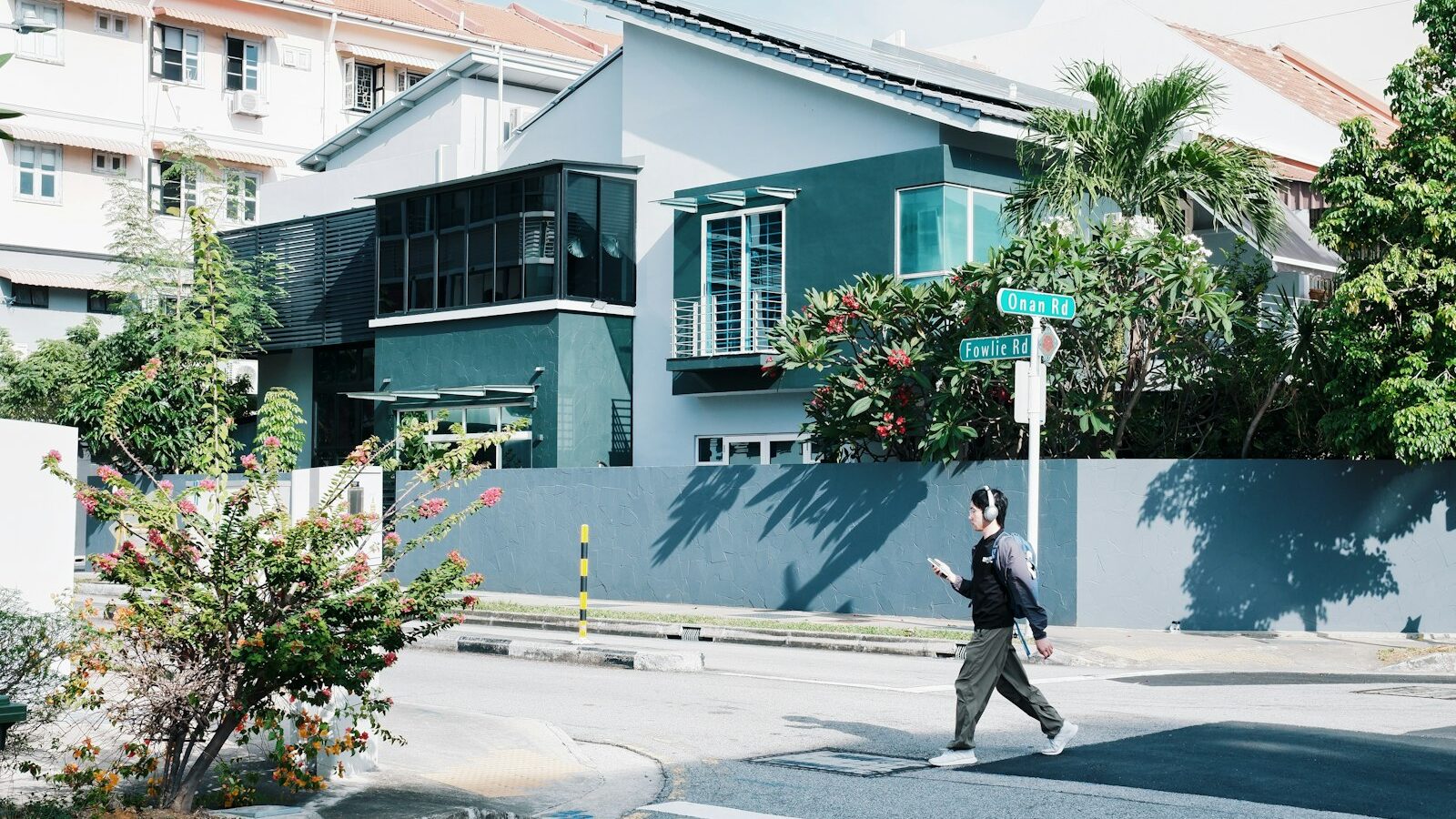
More Singaporean families are choosing to live together across three generations, whether in a larger HDB flat, an executive apartment or a condo. A well planned multi generational home lets grandparents, parents and children share daily life while still giving everyone the space to breathe. The secret is balancing togetherness with privacy, and comfort with safety.
Why Multi-Generational Living Works Here
Living together makes practical sense in Singapore. Grandparents help with childcare, parents share the load of caring for ageing family, and everyone pools resources against high housing costs. Schemes that encourage families to live near or with their elders reflect a wider cultural value of keeping the family unit close. The challenge is that people of very different ages have very different needs, and a home that works for a toddler may not work for a grandparent with tired knees.
Map Out Shared and Private Zones
The single most useful idea in multi generational design is zoning. Decide early which parts of the home are communal and which belong to a specific person or couple, then design each to suit its purpose.
Shared zones are where the family comes together: the living room, dining area, kitchen and perhaps a study corner. These should be open, welcoming and easy for everyone to reach. Private zones are the bedrooms and, ideally, a small retreat for the grandparents. Even in a compact flat, giving each generation a defined territory reduces friction and helps everyone feel they have somewhere to call their own.
Give grandparents a proper base
Where the layout allows, place the grandparents’ room on the lower or more accessible level, near a bathroom and away from the noisiest parts of the home. A bedroom with a bit of extra space for a chair and a personal shelf lets them rest, read or receive their own visitors without feeling they are always in the middle of family bustle.
Protect the parents and children too
Parents need a zone where they can wind down after the children are asleep, and children need somewhere to play and study. Clear boundaries, even simple ones like a sliding door or a curtained nook, help each group keep its own rhythm.
Comparing Zone Types
Use this to decide how much to invest in openness versus separation.
| Zone type | Best for | Design priorities |
|---|---|---|
| Shared living and dining | Meals, gatherings, daily catch ups | Open flow, seating for all, good light |
| Shared kitchen | Cooking together, family meals | Safe surfaces, reachable storage, ventilation |
| Grandparents’ retreat | Rest, privacy, personal visitors | Accessibility, quiet, near a bathroom |
| Parents’ bedroom | Adult downtime and rest | Acoustic privacy, a door that closes |
| Children’s corner | Play, homework, growing up | Storage, durable finishes, supervision sightlines |
Design for Accessibility
Accessibility is what keeps a home working as the family ages. Small changes today prevent big problems later.
- Keep main walkways clear and wide enough for someone using a stick or, one day, a wheelchair.
- Choose lever door handles and rocker light switches, which are far easier on stiff or weak hands.
- Add grab bars in the bathroom and beside the toilet, and use a non slip mat in the shower.
- Favour level thresholds and avoid unnecessary steps or raised platforms.
- Provide seating at useful points, such as near the entrance for putting on shoes.
None of this has to look clinical. Many grab bars and non slip finishes now come in styles that blend into a normal, attractive bathroom.
Make Safety Second Nature
A home shared by the very young and the very old needs to be forgiving of accidents. Focus on the areas where falls and injuries happen most.
Lighting that guides
Good lighting is one of the cheapest safety upgrades you can make. Bright, even light in the kitchen and bathroom prevents slips, while soft nightlights along the route from bedroom to toilet help grandparents move safely after dark. Motion activated lights in hallways are a simple, reassuring touch.
Flooring and corners
Choose slip resistant flooring in wet areas and secure any loose rugs with grip backing. Rounded furniture corners protect both wobbly toddlers and unsteady elders. Keep frequently used items within easy reach so nobody has to climb or stretch.
Kitchen sense
The kitchen is a shared hub and a hazard zone. Store heavy pots low, keep sharp tools out of children’s reach, and make sure the cooking area is well ventilated. Induction hobs, which stay cooler than open flames, can be a safer choice in a busy family kitchen.
Balance Noise and Togetherness
Three generations keep different hours. Grandparents may rise early and sleep early, teenagers do the opposite, and small children nap in the afternoon. Softening the home acoustically helps everyone coexist. Curtains, rugs, upholstered furniture and even bookshelves absorb sound. Positioning bedrooms away from the television and away from each other where possible means one person’s schedule does not dictate everyone else’s rest.
At the same time, protect the moments that bring the family together. A dining table large enough for everyone, a comfortable living area and a shared outdoor spot such as a balcony give the household natural gathering points. The best multi generational homes make coming together easy and retreating just as easy.
Storage for a Fuller Household
More people means more belongings, so storage deserves real thought. Built in wardrobes, under bed drawers and full height cabinets keep clutter down without eating floor space. Give each generation its own defined storage so nobody feels crowded out, and keep a shared cupboard for household items everyone uses. Labelling helps in a busy home where several hands put things away.
Grow With the Family
The needs of a multi generational home change over time. A children’s play corner may become a study, then a quiet reading nook. A guest space may one day become a full time carer’s room. Choosing flexible, moveable furniture and avoiding overly fixed layouts means the home can adapt as the children grow and the grandparents age, without a major renovation each time.
Bring It Together
A successful multi generational home in Singapore is built on three ideas: clear zones that balance sharing with privacy, thoughtful accessibility that keeps the home usable for every age, and everyday safety that quietly prevents accidents. Get those foundations right, add warm shared spaces where the family naturally gathers, and you create a home where three generations can genuinely thrive side by side.
Explore more: How to make your home safer for elderly family · How to plan lighting for every room · Home decor and lighting ideas