
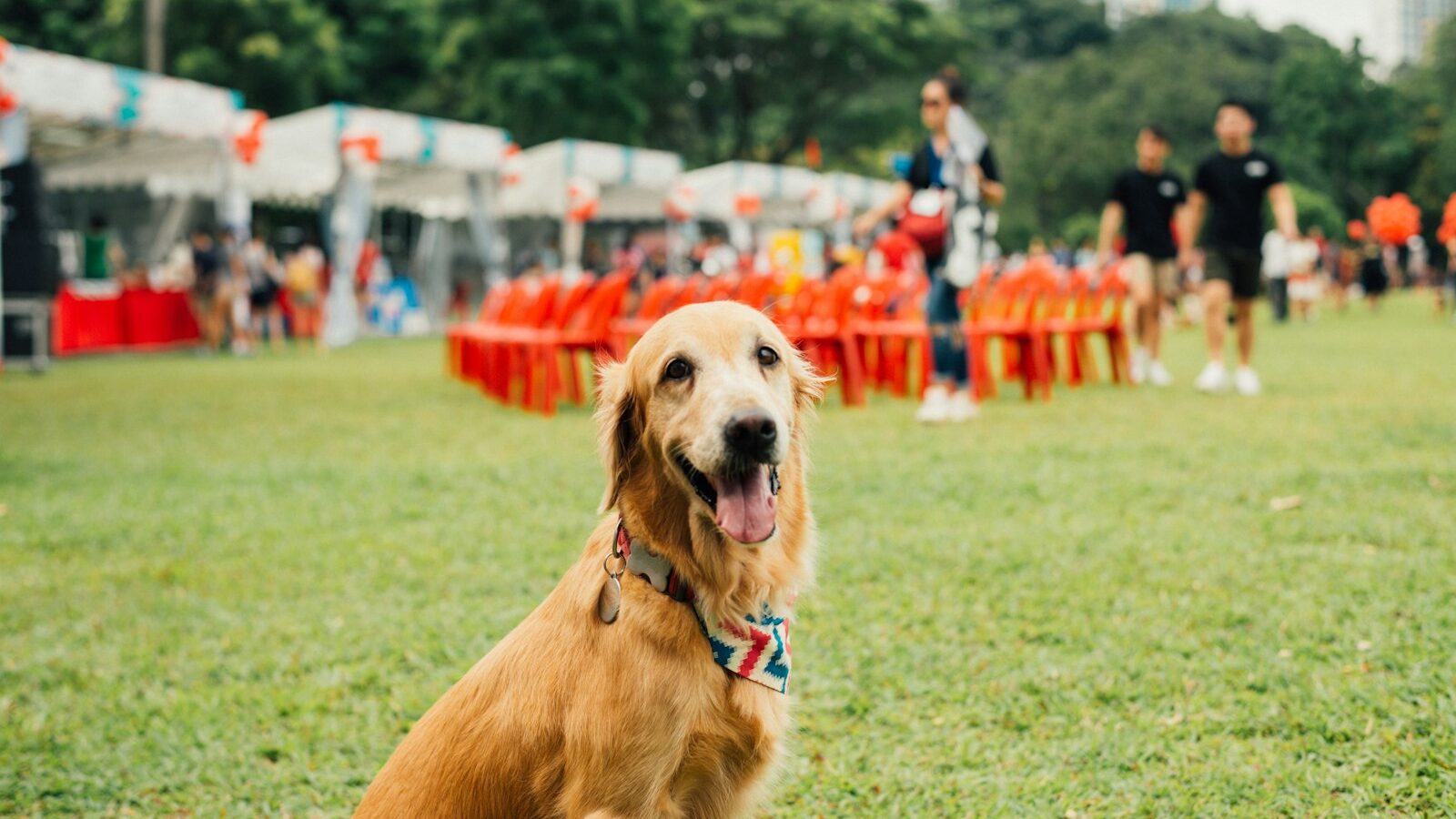
A dedicated pet corner singapore flats can spare the room for is one of the kindest upgrades you can make for a dog or cat, and one of the tidiest for you. Instead of bowls scattered across the kitchen and a leash draped over a chair, everything your pet needs lives in one calm, easy-clean spot. In a compact home, a small zone that is well planned beats a big one that is an afterthought. This brand-neutral guide covers where to put the corner, how to build a spill-friendly feeding station, storage that hides the clutter, and materials that survive paws, fur and the odd accident.
Choosing the Right Spot
Location does most of the work. Pets, like people, want to be near the family but out of the traffic, so look for a quiet edge of a room rather than a busy walkway. A corner of the living room, the end of a hallway, a nook beside a cabinet or a sheltered patch near the kitchen all work well.
For dogs, keep the resting spot away from the front door if your dog reacts to every footstep in the corridor, and away from direct afternoon sun that turns a bed into a hotplate. For cats, height and sightlines matter more, so a perch by a window where they can watch the world often beats a floor bed.
Keep food and water away from the litter tray or toileting area, as pets dislike eating next to where they go. In a small flat that can mean putting the feeding station in the kitchen zone and the litter tray in a service yard or bathroom, with the resting corner somewhere calm in between.
Building the Feeding Station
A feeding station is simply a defined, wipeable area for food and water that keeps mess in one place. The heart of it is a washable mat under the bowls to catch splashes and stray kibble, which saves your floor and speeds up cleaning.
Raised feeders suit larger dogs and older pets, lifting the bowls to a comfortable height so they are not craning down, which can be easier on the neck and joints. Small dogs and cats are usually fine with bowls at floor level. Whatever the height, stainless steel or ceramic bowls are the practical choice because they wipe clean, resist odours and cope with our humidity better than plastic, which can scratch and harbour grime.
Water deserves its own thought in our warm climate. Keep a generous bowl topped up, place it away from direct sun so it stays cool, and refresh it daily. If your pet tips bowls, a heavier ceramic dish or a low-profile stand holds things steady.
| Zone | What goes here | Handy detail |
|---|---|---|
| Feeding | Food and water bowls, wipeable mat | Steel or ceramic bowls, off the walkway |
| Resting | Bed or mat, blanket | Away from door draughts and harsh sun |
| Storage | Food bin, treats, leads, grooming kit | Sealed container keeps pests out |
| Toileting | Litter tray or pee tray | Far from the food zone, easy to mop |
Storage That Hides the Clutter
Pet gear multiplies fast, so give it a home. A sealed, airtight container for kibble keeps it fresh and, importantly, keeps ants and other pests out, which matters a great deal in our climate. A single labelled bin or a low drawer can hold treats, spare toys, poop bags and a grooming brush so they are within reach but out of sight.
Hooks by the door for the leash and harness turn walk time from a scavenger hunt into a grab-and-go. If your pet corner sits inside a cabinet or under a console, you can tuck the food bin and supplies behind a door and leave only the bowls and bed on show. The aim is a corner that looks like part of your home, not a pet shop shelf.
Materials and Easy-Clean Surfaces
Pets are tough on floors and fabrics, so choose surfaces that forgive. Around the feeding station, a hard, wipeable floor such as tile or vinyl beats carpet, which soaks up spills and holds smells. A washable mat on top handles the daily splashes.
For the resting spot, look for a bed with a removable, machine-washable cover, because you will wash it more than you expect. Tightly woven or crypton-style fabrics resist fur and claws better than loose weaves that snag. If your pet sheds, a cover in a colour close to their coat hides fur between washes and saves your sanity.
Keep cleaning simple by choosing finishes you can wipe with a damp cloth. Sealed surfaces, quick-dry mats and washable covers mean a spill is a two-minute job rather than a project. In a humid home, quick drying also stops that damp, doggy smell from settling in.
Comfort and Little Details
Once the practical bones are in place, comfort is what makes the corner theirs. A supportive bed sized for how your pet actually sleeps, whether they curl up or sprawl, is worth more than a fancy one they ignore. Add a familiar blanket or an item that smells of home for reassurance.
Give the corner a sense of shelter. Pets relax more in a spot with a wall or furniture at their back rather than one exposed on all sides. A small screen, the side of a sofa or a cabinet edge can create that cosy, den-like feel in even the smallest flat.
Keep toys to a rotating few rather than a heap, swapping them now and then to keep things interesting. With a calm location, a tidy feeding station, sealed storage and wipe-clean surfaces, your pet corner will stay pleasant for everyone, and your home will feel all the more welcoming for it.
Explore more
How to Make Your Home More Pet-Friendly
Entryway and Shoe Storage Ideas
Designing Your Living Room
Bedroom Design and Setup