
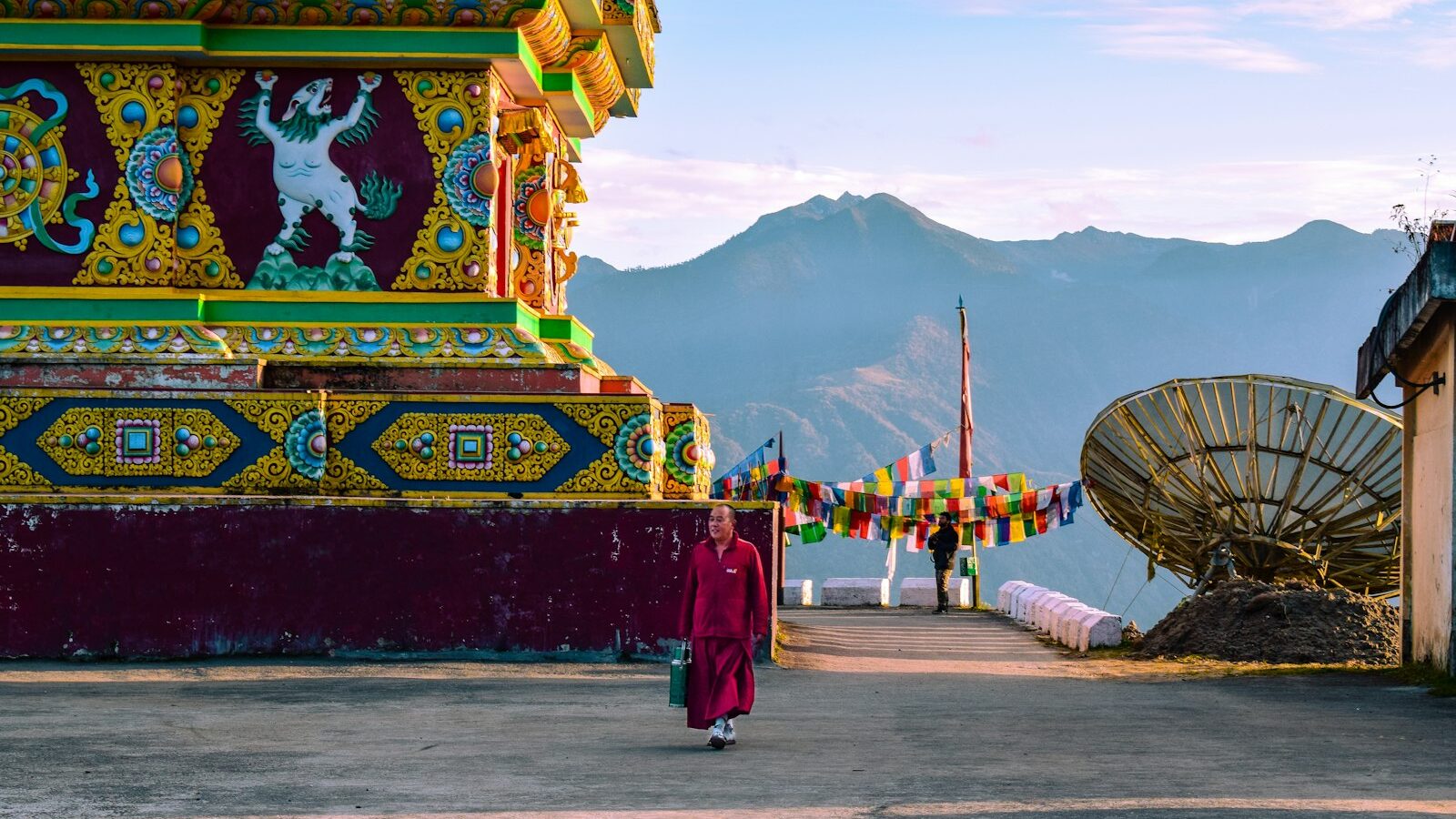
Few corners of China reward a slow trip quite like northwest Yunnan, and a journey to Dali from Singapore opens up two of its most memorable stops in one loop. Dali sits beside the wide blue sweep of Erhai Lake, framed by the Cangshan mountains and shaped by the culture of the Bai people. A few hours further north and much higher up, Shangri-La trades lakeside ease for Tibetan plateau grandeur, prayer flags, grassland and thin mountain air. Together they make a rewarding highland pairing, and this guide covers getting there, when to go, what to see, how to eat and the practical details worth sorting before you fly.
Getting There From Singapore
Yunnan sits in China’s southwest, closer to Southeast Asia than most of the mainland, which makes the trip more manageable than a haul to Beijing or the far north. The usual approach is to fly into a regional hub such as Kunming, and depending on the season you may find direct services between Changi and Kunming or itineraries that connect through another mainland gateway. Direct flights come and go with demand, so compare current schedules and fares before booking.
From Kunming, Yunnan’s excellent high-speed rail network reaches Dali in a few comfortable hours, and the city makes a natural first highland stop. Shangri-La lies further north in the Diqing Tibetan Autonomous Prefecture; travellers reach it by long-distance bus, private car or a short regional flight, with a rail line also extending into the region. Because you gain significant altitude on the way up, many people build the route as Kunming to Dali to Shangri-La, giving the body time to adjust as the elevation climbs.
For entry requirements, always check the latest official guidance rather than old advice. China has revised its rules for various passport holders in recent years, and a Singapore passport and a China passport can face very different conditions for the same trip. Confirm your own situation with the Chinese embassy or consulate, and cross-check ICA and the MFA travel advisories for Singapore before you commit to dates.
Best Time to Visit
Both towns sit on high ground, so the climate is a world away from Singapore’s steady tropical heat. Days can be bright and pleasant while mornings and evenings turn cold, and the strong highland sun means sunscreen and a hat year round. Shangri-La, being far higher, is colder in every season and can see snow in winter.
| Place | Elevation feel | Best window | What to expect |
|---|---|---|---|
| Dali | Moderate highland | Spring and autumn | Mild, clear days by Erhai Lake; comfortable sightseeing |
| Dali | Moderate highland | Summer | Warm with the local rainy season; lush and green |
| Shangri-La | High plateau | Late spring to autumn | Grasslands at their greenest; cool days, cold nights |
| Shangri-La | High plateau | Winter | Cold, quiet and stark; some services scale back |
Spring and autumn are the standout choices for the whole loop. Summer brings the rains but also the greenest grasslands around Shangri-La, so pack a light waterproof. Winter is quiet and beautiful but genuinely cold up on the plateau, so go prepared. Allow at least two nights in Dali and two in Shangri-La, with more if you want to slow down.
Dali: Erhai Lake and Bai Culture
Dali’s charm is its setting. The old town, with its stone gates and cobbled lanes, sits between the long ridge of Cangshan and the shimmering water of Erhai Lake. Cycling or driving the lakeside loop is the signature experience, passing fishing villages, reed beds and the whitewashed Bai farmhouses that give the region its distinctive look.
Beyond the shoreline, there is plenty to fill a relaxed couple of days:
- Wander the old town’s lanes, gates and market streets in the cool of the morning.
- See the Three Pagodas of Chongsheng Temple, an ancient and much photographed landmark backed by the mountains.
- Ride up into the Cangshan range for cool forest trails and sweeping views over the lake.
- Visit the nearby town of Xizhou for grand Bai courtyard houses and the local baba flatbread.
- Take a slow boat or a lakeside cafe stop to simply watch the light change over Erhai.
Treat cultural and religious sites with respect, dress modestly at temples and follow posted rules on photography.
Shangri-La: Tibetan Plateau and High Altitude
Shangri-La, historically known as Zhongdian, sits high on the edge of the Tibetan plateau, and the change in landscape and culture is striking. Prayer flags string across the hills, monasteries anchor the towns and yaks graze the open grassland. The centrepiece is Songzanlin Monastery, a large and important Tibetan Buddhist complex often likened to a smaller Potala, best appreciated slowly and respectfully. The rebuilt old town, the vast grasslands and nearby nature reserves round out the highlights.
Altitude is the thing to plan for. Shangri-La stands well above the height most Singapore travellers are used to, and thin air can bring headaches, breathlessness or poor sleep. Ascend gradually where you can, rest on your first day, keep well hydrated, avoid heavy exertion and alcohol early on, and listen to your body. If you have any heart or lung condition, or are simply unsure, see a doctor or travel clinic before you travel and buy suitable travel insurance that covers highland trips. This is general information, not medical advice.
At the monasteries and around the towns, follow local Tibetan Buddhist customs: dress modestly, walk clockwise around temples and religious structures, ask before photographing people and follow any signs restricting photography inside halls.
Where to Eat and What to Try
Yunnan cooking is one of the joys of the whole region. Around Dali, look for fresh Erhai lake fish, Bai style sour and spicy dishes, the sweet or savoury baba flatbread and the province’s famous wild mushrooms in the summer rains. Rushan, a stretched local cheese, is a Yunnan curiosity worth a try. Up in Shangri-La the food turns Tibetan and heartier: yak meat and butter, barley tsampa, momo dumplings and warming butter tea suited to the cold and the altitude. Street stalls and simple family run places are where much of the best eating happens, so follow the queues.
Practical Tips
- Currency: the renminbi, or yuan. Daily payment leans heavily on mobile apps, so set one up before arrival and keep some cash as backup.
- Language: Mandarin, with Bai, Tibetan and other local languages across the region. English is limited, so save destinations in Chinese and use translation and offline map apps.
- Connectivity: many familiar apps and websites are restricted in China, so research a reliable data or VPN option before you fly.
- Altitude: Dali is a moderate highland; Shangri-La is much higher, so plan the route to acclimatise and take the first day gently.
- Money and costs: the region is generally affordable, though major sights charge admission and private cars add up. Prices and rates change, so check current figures.
- Health and insurance: for vaccinations or precautions, and any altitude concerns, see a doctor or travel clinic before departure and buy suitable travel insurance. General information, not medical advice.
- Safety: the region is broadly considered safe for visitors; take normal precautions and check the latest MFA advisory before you go.
Dali and Shangri-La reward travellers with lakeside calm, mountain grandeur and a culture that shifts as you climb. For a Singapore traveller after something far removed from the usual regional getaway, this Yunnan highland loop is one of the country’s most memorable trips.
Explore more
Kunming from Singapore
Lijiang from Singapore
Chengdu from Singapore
Applying for Travel Visas from Singapore