
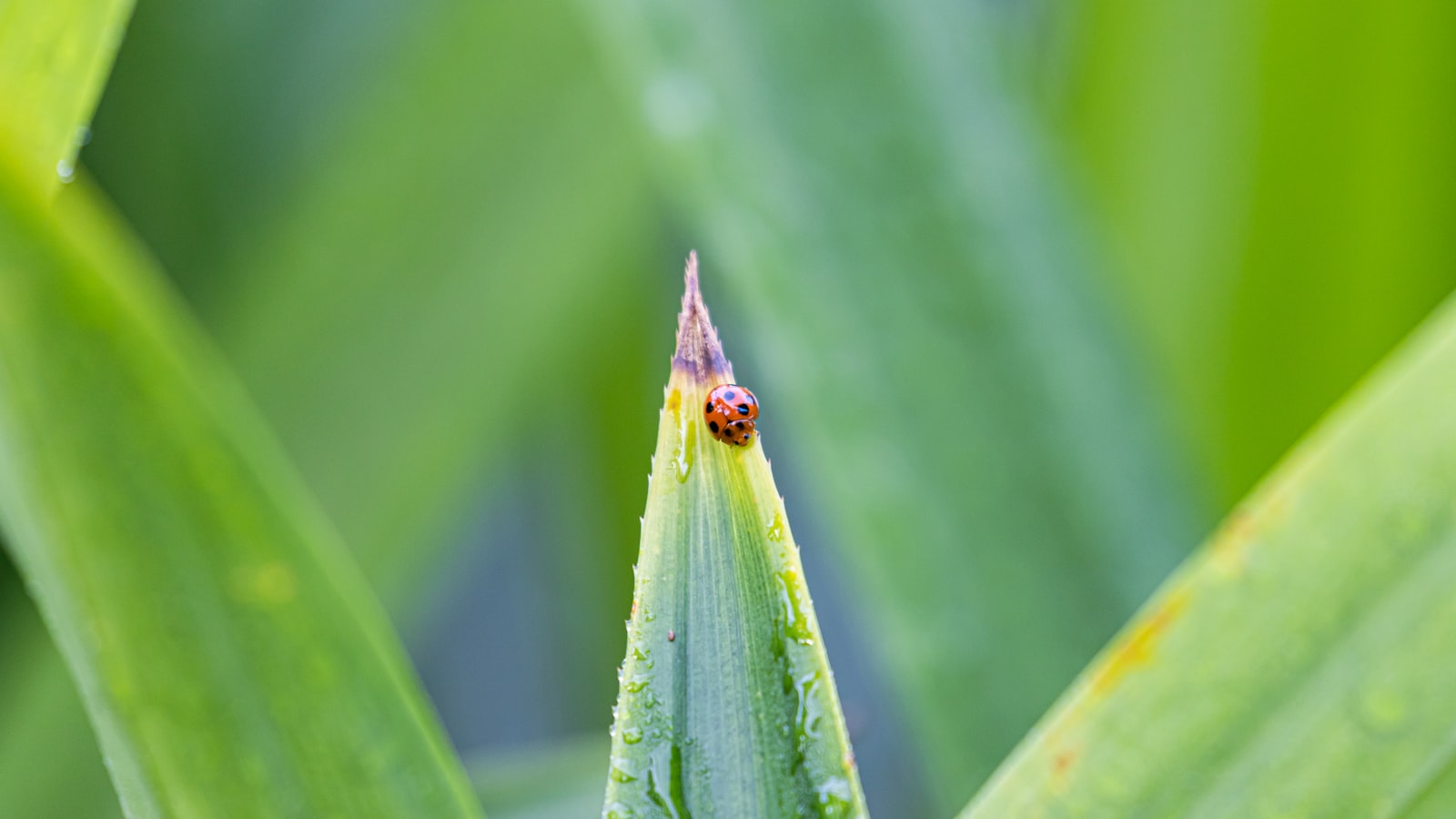
Ask any local gardener what pests trouble them most, and sooner or later the answer is aphids and whiteflies. These tiny sap-sucking insects thrive in our warm, humid, no-winter climate, breeding fast and hiding well. Left alone they weaken plants, spread disease and coat everything in sticky residue. The reassuring news is that both are among the easiest pests to control if you catch them early and stay patient. This guide covers how to identify them, how to treat them safely, and how to keep them from coming back.
Knowing What You Are Dealing With
Aphids and whiteflies are different insects, but they cause the same kind of damage and respond to the same gentle methods, so it helps to know both on sight.
Aphids are small, soft, pear-shaped insects, often green but also black, yellow, grey or brown. They cluster in dense groups on tender new shoots, flower buds and the undersides of young leaves. They barely move when disturbed, which is one way to tell them apart from more active insects.
Whiteflies are tiny white moth-like insects that gather on the undersides of leaves. The giveaway is that when you brush the plant, a little cloud of them flutters up and then settles again. Their pale scale-like young stay stuck flat to the leaf underside where they feed.
Both pierce the plant and drink its sap. The results are much the same in each case:
- Yellowing, curling or distorted leaves, especially new growth.
- A weak, stunted plant that stops putting out healthy shoots.
- Sticky honeydew on leaves and surfaces below, often turning black with sooty mould.
- Ants marching up and down, drawn by that honeydew, which is frequently the first sign anything is wrong.
If you have spotted ants first, our companion guide to dealing with ants in your plants explains why they lead you straight to these pests.
Catching Them Early
Both pests multiply astonishingly fast in our climate, so a weekly two-minute check is worth more than any spray. When you inspect your plants, do it properly.
- Turn leaves over and look at the undersides, where both aphids and whiteflies prefer to feed and breed.
- Check the softest, newest growth and the flower buds first, as this is where aphids gather in numbers.
- Give the plant a gentle shake and watch for the telltale white cloud of whiteflies.
- Run a finger over the leaves to feel for stickiness, the honeydew that signals sap-suckers even before you see them.
Catching a small colony of a dozen insects is a five-minute job. Catching an infestation that has spread across every plant on the balcony is a fortnight of work, so early and regular checking really is the whole game.
Safe, Gentle Control That Works
Because these pests sit on plants you live alongside, often near where you eat or grow food, favour the mildest effective methods and escalate only if needed. Work through these in order.
Rinse them off. A firm jet of water aimed at the undersides of leaves dislodges most aphids and knocks whitefly young loose. Do this in the cooler hours, support tender stems, and repeat every two to three days. For light infestations this alone often does the job.
Wipe and prune. Squash small aphid clusters between gloved fingers, or wipe them off with a damp cloth. If one shoot is heavily infested, simply prune it off and bin it rather than composting it.
Use a soap or neem spray. For stubborn cases, a mild insecticidal soap or a neem-based spray smothers and deters both pests. This is effective but must be used with care. Follow the full method in our natural pest sprays with neem guide, and observe every safety habit below.
Encourage natural helpers. Ladybirds and their larvae, lacewings and small predatory insects devour aphids and whiteflies. Avoid blanket spraying that wipes them out too, and let nature share the work.
Whichever spray you choose, these guardrails are not optional:
- Test on a few leaves first and wait a day, since even natural sprays can scorch tender foliage.
- Spray in the cooler hours, early morning or evening, out of direct sun.
- Keep sprays well away from food preparation, eyes, children and pets.
- Observe any pre-harvest interval on edibles, and follow the label on any bought product.
- Do not treat a home mix as an approved pesticide.
Aphids and Whiteflies Compared
A quick side-by-side makes it easier to tell the two apart and treat each with confidence.
| Feature | Aphids | Whiteflies |
|---|---|---|
| Appearance | Soft, pear-shaped, green to black | Tiny, white, moth-like |
| Where they hide | New shoots, buds, leaf undersides | Leaf undersides |
| Giveaway sign | Dense, slow-moving clusters | A white cloud when the plant is shaken |
| Shared damage | Honeydew, sooty mould, curled leaves | Honeydew, sooty mould, yellowing |
| Best first move | Rinse off and squash clusters | Rinse undersides; treat repeatedly |
The overlap is the point. Once you recognise honeydew and check leaf undersides, your response to either pest is largely the same escalating ladder of rinse, wipe and, if needed, a carefully used spray.
Keeping Your Plants Resistant
Prevention comes down to healthy plants and good habits. Stressed, hungry or crowded plants are the ones that get hit hardest, while vigorous plants shrug off small attacks.
- Inspect and, if you can, isolate new plants for a week before adding them to your collection, since pests hitch in on nursery stock.
- Avoid overfeeding with high-nitrogen fertiliser, which pushes soft, sappy growth that aphids adore.
- Space plants for airflow and keep them well watered and properly fed so they grow strong.
- Consider planting some of the aromatic species in our plants that repel mosquitoes and insects guide nearby, as their scents can help deter soft-bodied pests.
Stay observant and act early, and aphids and whiteflies become a minor, manageable part of tropical gardening rather than a plague. Remember this is general guidance for home gardeners, not professional pest-control advice, so watch how your own plants respond and seek qualified help for a severe or persistent infestation.