
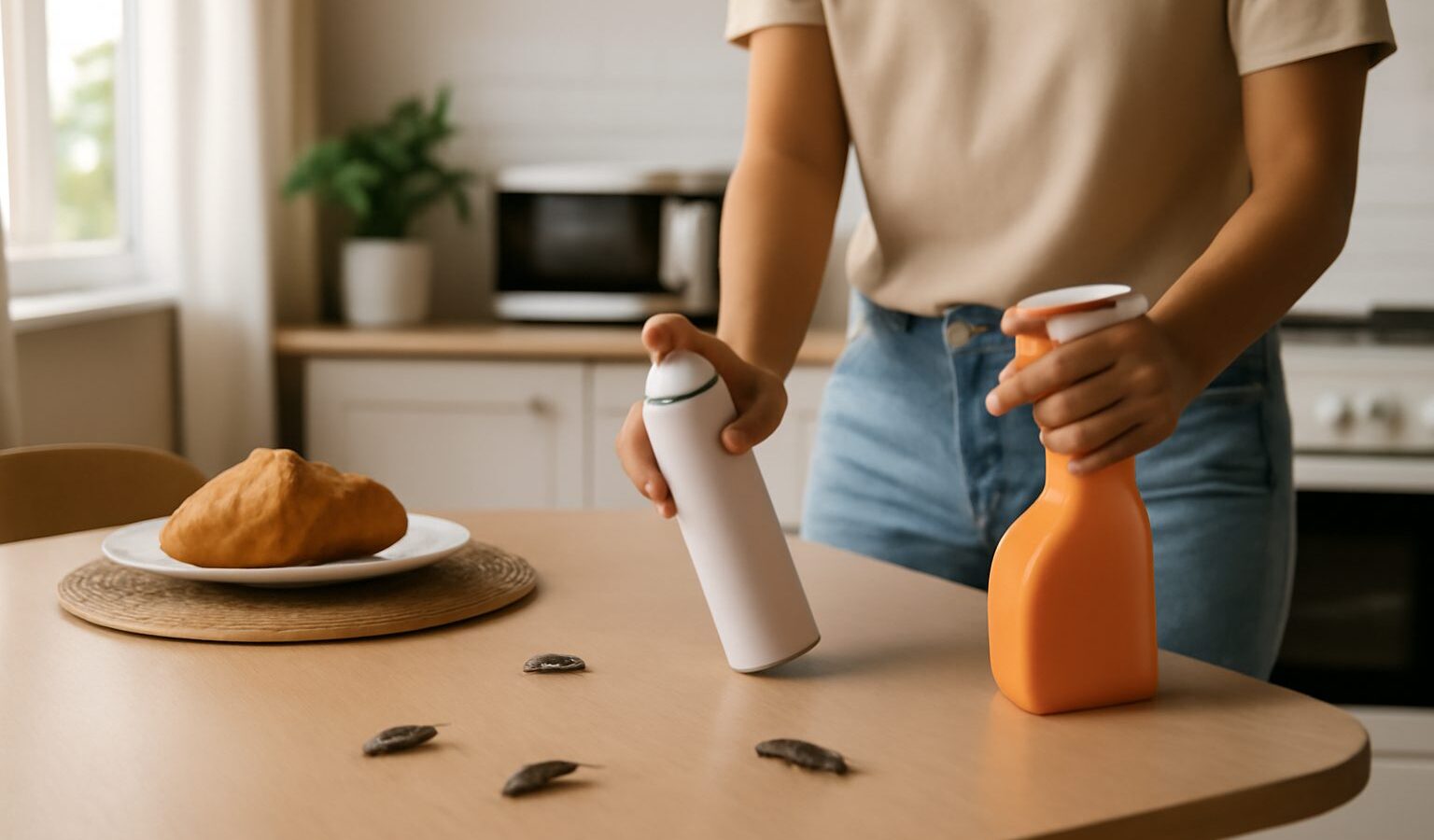
If you have just moved into a flat here and spotted a cockroach scuttling across the kitchen at night, take heart: you are not living in a dirty home, you are living in the tropics. Warm temperatures and high humidity all year round mean household pests in Singapore are a normal part of life rather than a sign of neglect. The good news is that with a few sensible habits, and knowing when to call in help, most problems stay small and manageable. This guide walks a newcomer through the pests you are likely to meet, how to prevent them, and who is responsible for what.
Coming from many parts of mainland China, you may be used to distinct seasons that knock pest numbers back each winter. Singapore has no such reset. Insects breed steadily through the year, so prevention here is a constant, low-effort routine rather than a seasonal clean-up.
The Pests You Are Likely to Meet
A handful of visitors turn up in most Singapore homes. Knowing them helps you respond calmly and correctly.
- Cockroaches. The large ones often come up through drains, pipes and rubbish chutes; smaller German cockroaches tend to hide in kitchens near warmth and food. They are drawn to crumbs, grease and moisture.
- Ants. Fine trails appear the moment sugar or food is left out. They are harmless but persistent, and follow scent paths along skirting and counters.
- Mosquitoes. More than a nuisance, the Aedes mosquito can spread dengue. It breeds in small pockets of clean, stagnant water and bites by day.
- Geckos (house lizards). These little lizards on your walls are harmless and actually helpful, eating insects. Most residents simply let them be.
- Rats and mice. More common in ground-floor units, near bin centres, or where food waste accumulates. They gnaw and carry disease, so they need prompt attention.
- Bedbugs. Tiny, hard to spot, and often carried in on luggage, second-hand furniture or during a move. They bite at night and can be stubborn to clear.
Seeing one or two of these occasionally is normal. A steady stream, a nest, or bites appearing overnight is the signal to act.
Prevention and Everyday Hygiene
Most pest problems are really food and water problems. Remove the food and water, and the pests lose their reason to stay.
- Keep food sealed. Store dry goods, rice and snacks in airtight containers rather than open packets. This is the single most effective habit against ants and cockroaches.
- Clear up quickly. Wipe counters, sweep crumbs, and do not leave dirty dishes or pet food out overnight.
- Manage rubbish. Bag your waste, close the bin, and use the rubbish chute or bin centre promptly. Rinse recyclables before storing them.
- Cut off water. Fix dripping taps, dry the sink area, and empty trays under pot plants and dish racks.
- Cover drains. Keep the floor-trap gratings in bathrooms and the kitchen in place; they are a common cockroach entry point.
- Seal gaps. Fill obvious cracks and gaps around pipes and skirting where insects and rodents slip through.
A ten-minute nightly tidy does more than any spray. In a humid climate, dryness and tidiness are your best pest control.
The Mosquito and Dengue Angle
Mosquitoes deserve special attention because of dengue, a viral illness spread by the Aedes mosquito that Singapore takes very seriously. The National Environment Agency (NEA) leads the national effort, monitoring cases, mapping dengue clusters, and inspecting premises. As a resident, your part is simple but important: stop mosquitoes breeding at home.
The Aedes mosquito needs only a small amount of stagnant water. Follow NEA’s well-known habit of checking regularly for standing water: tip out water from flower pot plates and trays, change the water in vases and dishes, cover any containers that collect rain on a balcony or in a service yard, and keep gully traps clear. If you live near an active dengue cluster, NEA will usually publicise it and step up fogging and inspections in the area.
If you spot persistent mosquito breeding you cannot control, or a possible breeding site in common areas, you can report it to NEA or raise it with your town council (for HDB estates) or condominium management. For any fever or dengue-like symptoms, see a doctor promptly; this is general navigational information, not medical advice.
DIY Versus Hiring a Pest Control Service
For small, everyday issues, do-it-yourself measures are usually enough. Ant bait, cockroach gel or traps from a supermarket, a mosquito swatter and good hygiene will handle the occasional visitor. Keep basic supplies at home so you can respond early, before a few insects become many.
Call a professional pest control service when the problem is bigger than a passing nuisance: a recurring cockroach infestation, rats you keep seeing, a termite issue in woodwork, or bedbugs, which are notoriously hard to clear without proper treatment. Professionals can identify the source, treat it thoroughly, and advise on preventing a repeat. When choosing a company, look for one that is properly licensed for pest management work, ask what the treatment involves, and get a clear quote first. Fees vary widely by pest, home size and treatment, so we will not quote figures here; compare a couple of providers before committing.
| Pest | Prevent it by | First action |
|---|---|---|
| Cockroaches | Sealing food, drying the kitchen, covering floor drains | Bait or gel; call pest control if recurring |
| Ants | Storing food airtight, wiping up spills fast | Wipe the trail, use ant bait |
| Mosquitoes | Removing all stagnant water weekly | Remove breeding sites; report persistent cases to NEA |
| Geckos | No action needed, they eat insects | Leave them be; gently usher out if unwanted |
| Rats and mice | Bagging rubbish, sealing gaps and food | Traps; call pest control for repeated sightings |
| Bedbugs | Checking luggage and second-hand furniture | Professional treatment; DIY rarely enough |
Who Handles What: Tenants and Landlords
If you are renting, responsibility can be a point of confusion, so it is worth clarifying early. As a general guide, tenants are expected to keep the home clean and handle minor, day-to-day pest issues that arise from ordinary living, such as the occasional ants or a stray cockroach. Landlords are usually responsible for pre-existing infestations, structural problems that let pests in, or major issues like termites in the building fabric.
The real answer, though, is in your tenancy agreement. Many contracts spell out who arranges and pays for pest control, sometimes setting a threshold below which the tenant covers minor costs. Read that clause before you sign, and if a serious infestation appears soon after moving in, tell your landlord or agent in writing quickly. In HDB estates, the town council handles pests in common areas and corridors; within a condominium, the management corporation covers shared spaces while you look after your own unit. Keeping communication clear and early prevents most disputes.
Explore More
Pests are just one part of keeping a tropical home comfortable and well kept. Damp, mould and cooling all play a role too, so read Aircon Servicing and Home Maintenance in Singapore for the bigger maintenance picture. And when a job needs skilled hands, from sealing gaps to fixing fittings, Finding a Reliable Handyman in Singapore shows you how to get trustworthy help.