
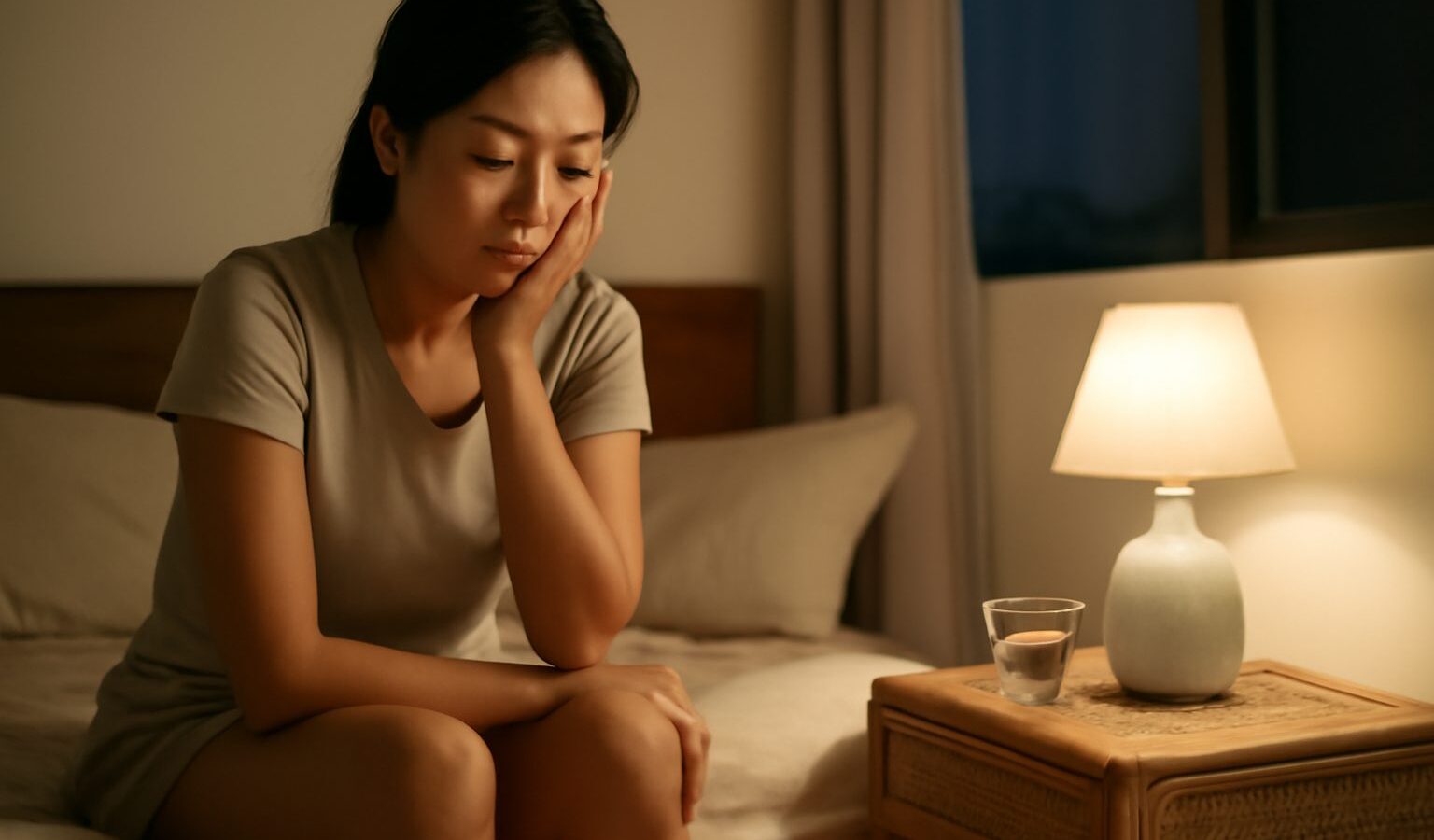
If you have ever lain awake at 3am watching the ceiling fan turn, listening to the hum of the aircon and willing yourself to sleep, you are far from alone. Busy schedules, long commutes, always-on phones, and our warm climate all conspire against easy rest. This guide looks at insomnia in Singapore in a calm, practical way: what it generally is, the everyday causes that commonly get in the way, the sleep habits that tend to help, the important link between sleep and mental wellbeing, and when it is worth seeing a doctor.
One thing first: this is general information, not medical advice, diagnosis, or treatment. If poor sleep is affecting your life, please speak to your GP or a relevant professional, who can look at your full picture and guide you properly.
What Insomnia Generally Is
Insomnia is the general term for ongoing difficulty falling asleep, staying asleep, or waking too early and not being able to drift off again, despite having the chance to sleep. The knock-on effect shows up in the day: feeling tired, foggy, irritable, or finding it hard to concentrate at work or while studying.
The occasional bad night is a normal part of being human, often tied to stress, excitement, or a change in routine, and it usually sorts itself out. Insomnia becomes more of a concern when the trouble sleeping is frequent, persists over weeks, and starts to affect your mood, energy, or ability to function. Understanding that distinction helps you respond calmly rather than anxiously, because worrying about sleep can itself become part of what keeps you awake.
Good sleep is not a luxury. It supports memory, mood, immune function, and overall wellbeing, which is why taking sleep seriously is a genuine act of self-care rather than indulgence.
Common Causes in Singapore Life
Several everyday factors crop up again and again when people describe their sleep struggles here. Recognising which ones apply to you is the first practical step.
- Stress and a busy mind. Work pressure, financial worries, caregiving, and study deadlines can leave the brain still racing at bedtime.
- Screens late at night. Scrolling on phones, laptops, and tablets in bed keeps the mind stimulated and delays winding down.
- Heat and humidity. A room that is too warm makes it harder to fall and stay asleep, a common issue in our climate.
- Shift work and irregular hours. Healthcare staff, aviation crews, F&B workers, and others on rotating shifts often battle a body clock that is out of sync.
- Caffeine and stimulants. Kopi, tea, energy drinks, and even some soft drinks taken later in the day can linger in the system for hours.
- Alcohol and heavy late meals. These may feel relaxing but often fragment sleep and leave you less rested.
Most people find several of these overlap. The encouraging news is that many are habits and environmental factors you can adjust, gradually and gently, without an overhaul of your whole life.
Building Better Sleep Habits
Sleep hygiene simply means the routines and conditions that make good sleep more likely. These are general lifestyle measures rather than a cure, and they work best when practised consistently over time.
- Keep regular sleep and wake times, even on weekends, so your body clock settles.
- Wind down for 30 to 60 minutes before bed with calming, screen-free activities.
- Keep the bedroom cool, dark, and quiet; sensible use of the fan or aircon helps in our heat.
- Reserve the bed mainly for sleep, so your mind associates it with rest.
- Ease off caffeine from the afternoon onward, and be mindful of alcohol near bedtime.
- Get some daylight and physical activity during the day, which supports better sleep at night.
- If you cannot sleep after a while, get up, do something quiet and dim, and return when sleepy rather than lying there frustrated.
The table below compares habits that commonly work against sleep with gentler alternatives to consider.
| Situation | Habit that often hinders sleep | A gentler approach to try |
|---|---|---|
| The hour before bed | Scrolling on the phone in bed | Dim lights, read, stretch, or breathe slowly |
| Evening drinks | Late kopi, tea, or energy drinks | Water or caffeine-free options after afternoon |
| Bedroom setup | Warm, bright, noisy room | Cool, dark, quiet, comfortable bedding |
| When sleep will not come | Lying awake watching the clock | Get up briefly, do something calm, return when sleepy |
Give any changes a fair chance over a few weeks. Sleep patterns rarely shift overnight, and steady effort tends to reward you more than a single dramatic attempt.
Sleep and Mental Wellbeing
Sleep and mental health are closely connected, and the relationship runs both ways. Stress, anxiety, and low mood can disturb sleep, while ongoing poor sleep can weigh on your mood and resilience. If you are going through a difficult period, please be kind to yourself; struggling with sleep at such times is understandable and common, and it does not mean anything is wrong with you.
Help is genuinely available, and reaching out is a sign of strength. A GP is a good first port of call and can point you toward the right support. The Institute of Mental Health (IMH) and various community services also offer help. If you or someone you know is in distress, please reach out to a helpline. Do look up the current helpline numbers on HealthHub or the Samaritans of Singapore website, since these are best checked directly to make sure they are up to date. If distress is severe or there are thoughts of self-harm, please seek help immediately.
When to See a Doctor
Consider seeing a doctor if poor sleep persists over several weeks, if it is clearly affecting your mood, work, studies, or safety, such as feeling drowsy while driving, or if self-help habits are not making a difference. A doctor can look for underlying causes, discuss options suited to you, and rule out other conditions that can disturb sleep, including some that involve breathing during the night.
Please do not turn to borrowed medication or self-medicate, and avoid relying on alcohol to fall asleep, as these often make things worse over time. Steering toward professional guidance is the safer, more effective path. With patience, supportive habits, and the right help when needed, better nights are realistically within reach for most people.
Explore more
If your sleep struggles are tangled up with stress or low mood, our guide to mental health resources in Singapore points to further support. For the bigger picture of looking after yourself, see our health screening guide for Singapore, and if you are building healthier daily routines, home workouts in Singapore can help you stay active in ways that support good sleep.