
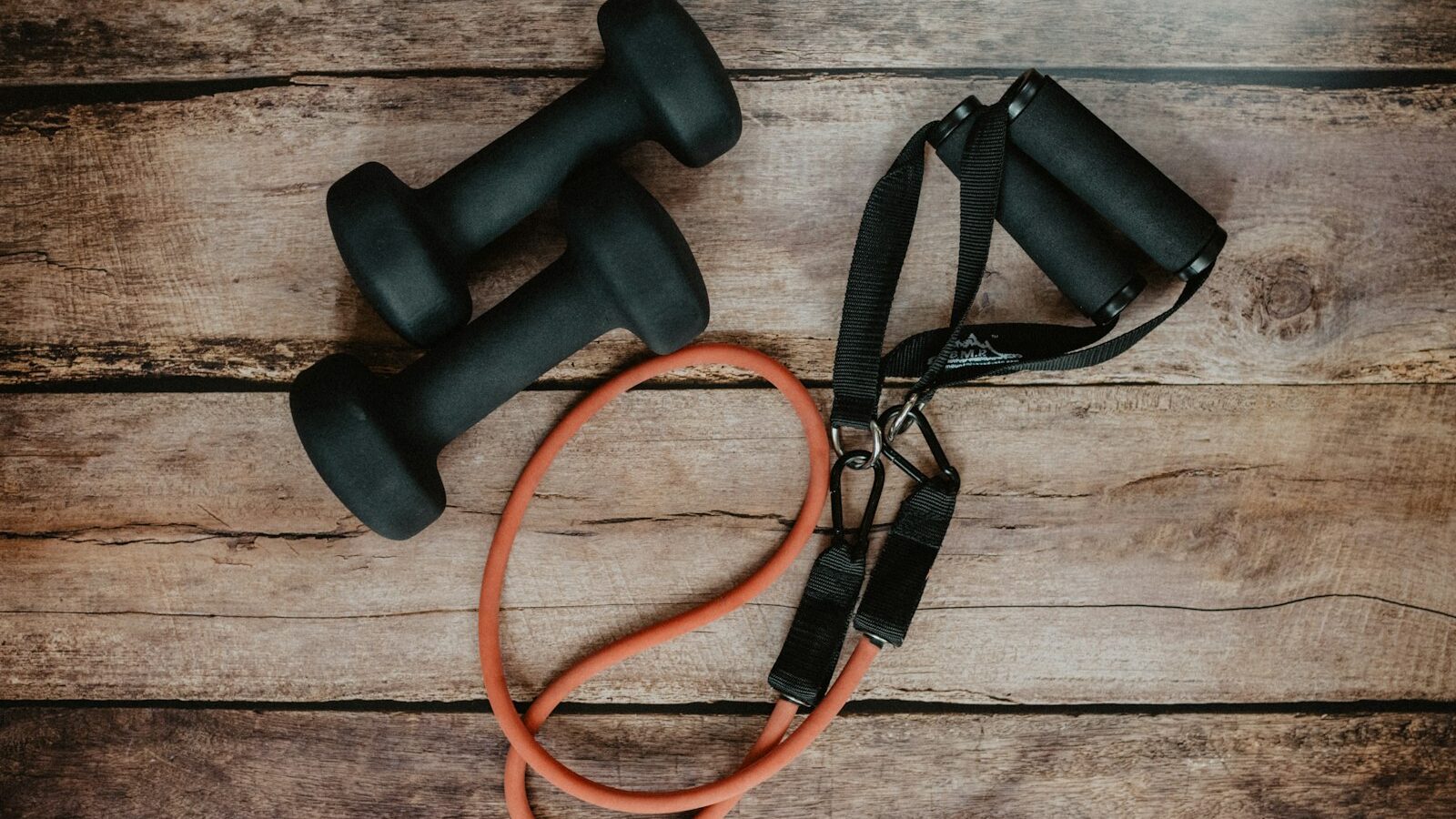
Not everyone wants a gym membership, and not every day allows for the trip. Between long commutes, unpredictable weather, and the simple pull of home, a good home workout is often the routine you will actually stick to. The best news is that a home workout in Singapore needs very little: a patch of floor, a bit of planning, and enough consistency to let small efforts add up. This guide covers how to set up, what to do, and how to keep going in a hot and humid climate where the aircon bill is a real consideration.
Why Working Out at Home Works Here
Singapore is dense, and life moves fast. A home workout removes the two biggest excuses that derail fitness plans: travel time and cost. You can train in the ten minutes before a shower, during a lull between meetings if you work from home, or late at night when the gym would be shut.
Home training also suits our climate. Rather than braving midday heat for a run, you can move indoors with a fan or aircon and control the environment. And in the compact space of an HDB flat or a condo, bodyweight training is a natural fit because it needs almost no equipment and very little room.
The trade off is discipline. There is no membership fee reminding you to show up and no trainer watching. That is why the structure in this guide matters more than any single exercise.
Setting Up Your Space
You do not need a home gym. You need a clear, non slip area roughly the size of a yoga mat, plus a little swing room around it. A few practical points for local homes:
- Mind the neighbours below. Jumping and dropped weights carry through HDB floors. Choose low impact options or lay down a thick mat to dampen noise and protect your joints.
- Manage the heat. Position a fan, open windows for cross ventilation, or run the aircon for intense sessions. Keep water within reach and expect to sweat more than you would in a temperate climate.
- Use what you have. A sturdy chair, a staircase landing, a filled water bottle, or a backpack loaded with books can all stand in for equipment.
- Keep it visible. Leaving a mat rolled out in a corner is a quiet nudge that lowers the friction to starting.
If you do want to buy a little kit, a resistance band, a mat, and one pair of adjustable dumbbells cover almost everything. Prioritise items that store easily in a flat where space is precious.
Bodyweight Basics That Build Real Fitness
You can train every major movement pattern with your own body weight. A balanced routine covers a push, a pull, a squat or lunge, a hinge, and some core work. Here are dependable staples:
- Squats and lunges for legs and glutes. Progress by slowing the tempo or adding a load.
- Push ups for chest, shoulders, and triceps. Start on an incline against a wall or table if full push ups are too hard.
- Rows using a resistance band or a bag, or inverted rows under a sturdy table, for the back.
- Glute bridges and hip hinges for the posterior chain and lower back health.
- Planks, dead bugs, and bird dogs for a stable, resilient core.
Aim for two to four sets of each, working to a point where the last few repetitions feel genuinely hard but your form stays clean. Two or three full body sessions a week is plenty to see progress when you are starting out.
Choosing a Style That Fits Your Goal
Home training is flexible, so match the format to what you want. The table below compares common approaches for different goals and time budgets.
| Workout style | Best for | Kit needed | Time per session |
|---|---|---|---|
| Bodyweight strength | Building muscle and general strength | None to minimal | 30 to 45 minutes |
| HIIT circuits | Fitness and fat loss when time is short | None | 15 to 25 minutes |
| Yoga or mobility | Flexibility, stress relief, low impact | Mat | 20 to 60 minutes |
| Follow along videos | Structure and motivation for beginners | Varies | 20 to 45 minutes |
Many people mix these across the week: strength on two days, a short circuit on a busy day, and a gentle mobility session at the weekend. Free follow along videos are an easy way to add variety and keep your form honest.
Staying Consistent in the Long Run
Consistency, not intensity, is what changes your fitness over months. A few habits make it far more likely you keep going:
- Anchor it to a routine. Train at the same time each day, tied to an existing habit such as after your morning coffee or before your evening shower.
- Start absurdly small. A ten minute session you actually do beats a planned hour you skip. Momentum builds from showing up.
- Track it simply. Tick a calendar or note your sets. Seeing a streak is quietly motivating.
- Progress gradually. Add a repetition, a set, or a harder variation over time so your body keeps adapting.
- Rest and recover. Sleep and rest days are when the gains actually happen, and they protect you from burnout and injury.
The Health Promotion Board recommends adults get regular physical activity across the week, and home workouts count fully towards that. Listen to your body, and if a movement causes sharp pain rather than normal effort, stop and reassess.
Blending Home and Outdoor Training
Home is a base, not a cage. On cooler mornings or evenings, take your training outside for variety: a brisk walk, a jog around the estate, or a bodyweight circuit at a fitness corner in your neighbourhood. Mixing indoor and outdoor sessions keeps things fresh and gives you options when the weather or your mood changes.
If you later decide you want heavier weights, more equipment, or the energy of training around others, a home routine still gives you a solid foundation to build on. Many people move fluidly between home workouts, outdoor sessions, and the occasional class or gym visit, and that flexibility is the whole point.
Explore more
For more ways to stay active, see our guide to the best gyms in Singapore if you decide to add equipment sessions, and our overview of using ActiveSG facilities for affordable pools, gyms, and courts near you. If running is your thing, our marathon and race training guide pairs well with home strength work.