
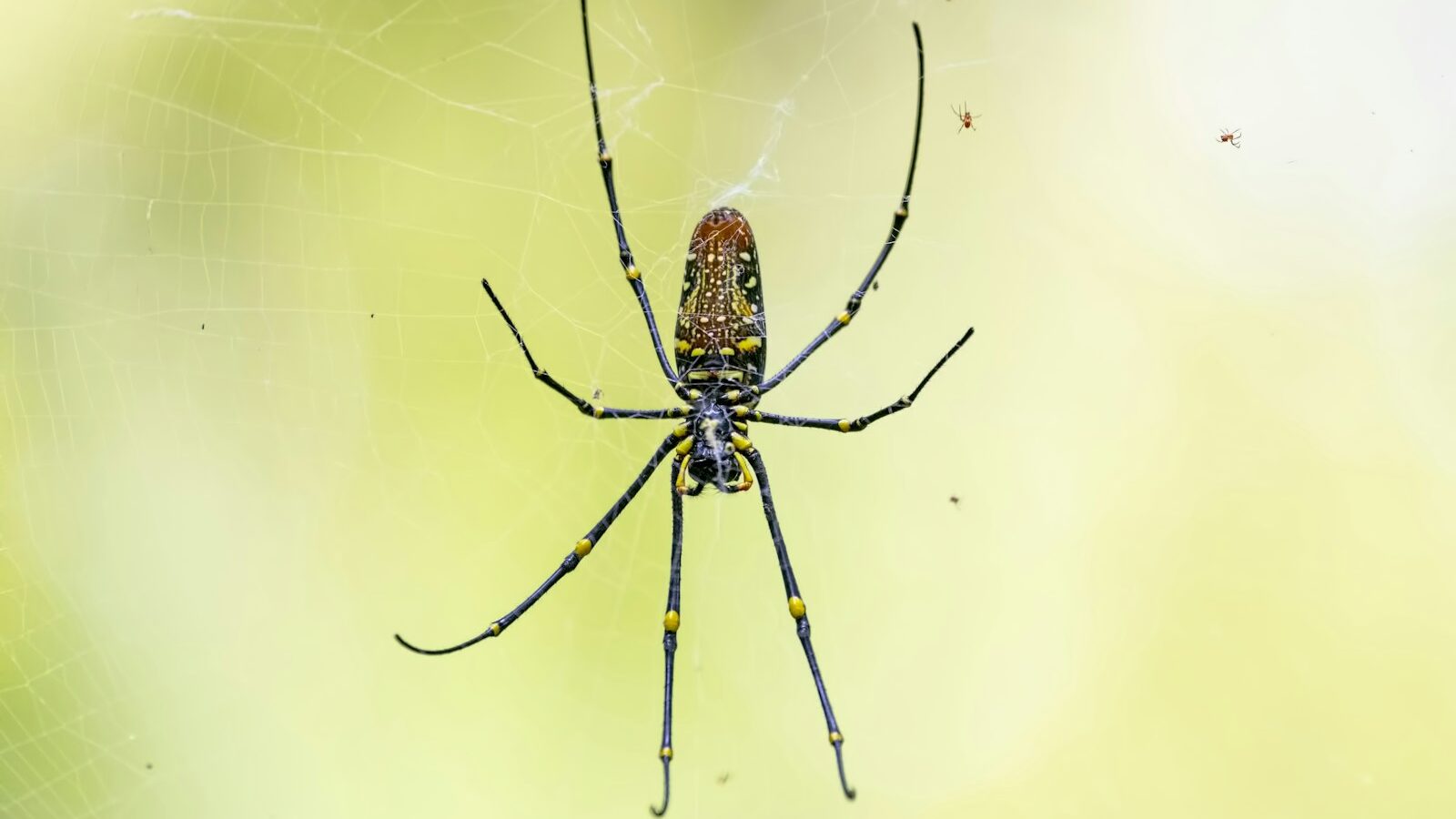
For many people, few household sights trigger as much unease as a spider scuttling across the wall. Yet when it comes to spiders at home Singapore residents encounter, the reality is far less alarming than the reaction. The overwhelming majority of spiders you will meet indoors are harmless, and many are quietly useful, keeping down the mosquitoes, flies and other insects you would much rather not have around.
This guide takes a calm, practical view. It explains why spiders turn up, how to reduce them without fuss, how to remove webs, and when the rare genuinely worrying species deserves a bit more caution.
Why Spiders Come Indoors
Spiders are not looking for you. They come indoors for two simple reasons: food and shelter. Where there are insects to catch, spiders will follow, so a home with plenty of flies, moths or mosquitoes is an inviting hunting ground. Warm, sheltered corners, quiet store rooms, ceilings and the spaces behind furniture all offer safe places to spin a web or rest.
This is actually a useful clue. A sudden increase in spiders often signals that there are plenty of other insects about. If you tackle the underlying insect population, for example by fixing screens, managing moisture and clearing food scraps, the spiders tend to move on because their food supply shrinks.
Most indoor spiders are the retiring sort. They want to stay out of sight, and they will flee from you far more readily than approach. Understanding this makes them much easier to live with.
Most Spiders Are Harmless and Even Helpful
It is worth repeating: the common spiders found in local homes are not dangerous to people. They cannot meaningfully harm you, and they spend their time eating pests. A single spider in a corner may be doing you a quiet favour by intercepting mosquitoes and flies before they reach you.
Because of this, a measured response is usually best. You do not need to reach for insecticide the moment you see one. Reducing spiders is really about making your home less attractive to the insects they feed on, and gently discouraging webs in living areas, rather than declaring war.
For anyone who simply prefers not to share their space with spiders, the humane approach is to catch and release. Place a cup over the spider, slide a piece of card underneath, and carry it outside. It is quick, harmless and avoids any mess.
Removing Webs and Reducing Numbers
Regular cleaning is the most effective tool you have. Spiders build webs to catch food and to rest, so removing webs promptly discourages them from settling. Use a long-handled duster, broom or vacuum to clear webs from ceiling corners, cornices, light fittings, window frames and behind furniture. Check the quiet, undisturbed spots, since these are where webs accumulate.
Keeping clutter down helps a great deal. Cardboard boxes, piles of unused items and cluttered store rooms give spiders exactly the sheltered hideaways they seek. A tidier, more open home offers fewer places to settle.
Reducing the insects that spiders eat closes the loop. The steps that keep other pests away, such as sealing food, managing damp and screening windows, also quietly reduce your spider population by cutting their food supply.
Sealing Gaps to Keep Them Out
Prevention beats removal. Spiders and the insects they hunt often enter through the same small openings, so sealing these gaps pays off twice over.
Here are the main entry points to check and simple ways to close them.
| Entry point | Why it matters | Simple fix |
|---|---|---|
| Gaps under doors | Easy ground-level access | Fit door sweeps or seals |
| Window frames | Common route for insects | Repair or add fine mesh screens |
| Wall and pipe cracks | Hidden entry and shelter | Fill with sealant or filler |
| Vents and openings | Direct path indoors | Cover with fine mesh |
| Outdoor lights | Attract insect prey | Use warmer, less attractive bulbs |
Outdoor lighting deserves a special mention. Bright white lights near doors and windows draw in the flying insects that spiders feed on, which in turn draws spiders. Switching to warmer toned bulbs, or positioning lights away from entrances, reduces the insect buffet and therefore the spiders.
The Rare Venomous Ones
While nearly all local house spiders are harmless, it is sensible to be aware that a small number of venomous species exist. These are uncommon in typical homes and generally shy, but caution is wise if you are unsure what you are looking at.
The practical rule is simple: do not handle a spider you cannot confidently identify as harmless. If you find a spider that looks unusual, particularly a larger or brightly marked one in a garage, store room or garden shed, do not touch it with bare hands. Use the cup and card method to remove it, or leave it alone and give it space to move away.
If anyone is bitten and develops symptoms beyond mild, brief local irritation, such as significant pain, swelling that spreads, or feeling generally unwell, seek medical advice promptly. Serious reactions are rare, but they should always be assessed by a doctor rather than guessed at.
When to Call a Professional
Occasional spiders are a normal part of living in a warm, insect-rich environment, and they rarely warrant professional treatment. However, if you are facing a persistent, heavy presence of spiders that does not respond to cleaning and sealing, it usually points to a large underlying insect problem worth addressing at the source.
In that situation, or if you are worried about a species you cannot identify, a licensed pest control operator can inspect your home, identify what is drawing the spiders, and treat both the spiders and their prey safely. For the everyday spider on the wall, though, a cup, a piece of card and a calm hand are all you really need.
Explore more
Pest Control
Dealing With Lizards at Home
Preventing Mosquitoes at Home
Getting Rid of Cockroaches at Home