
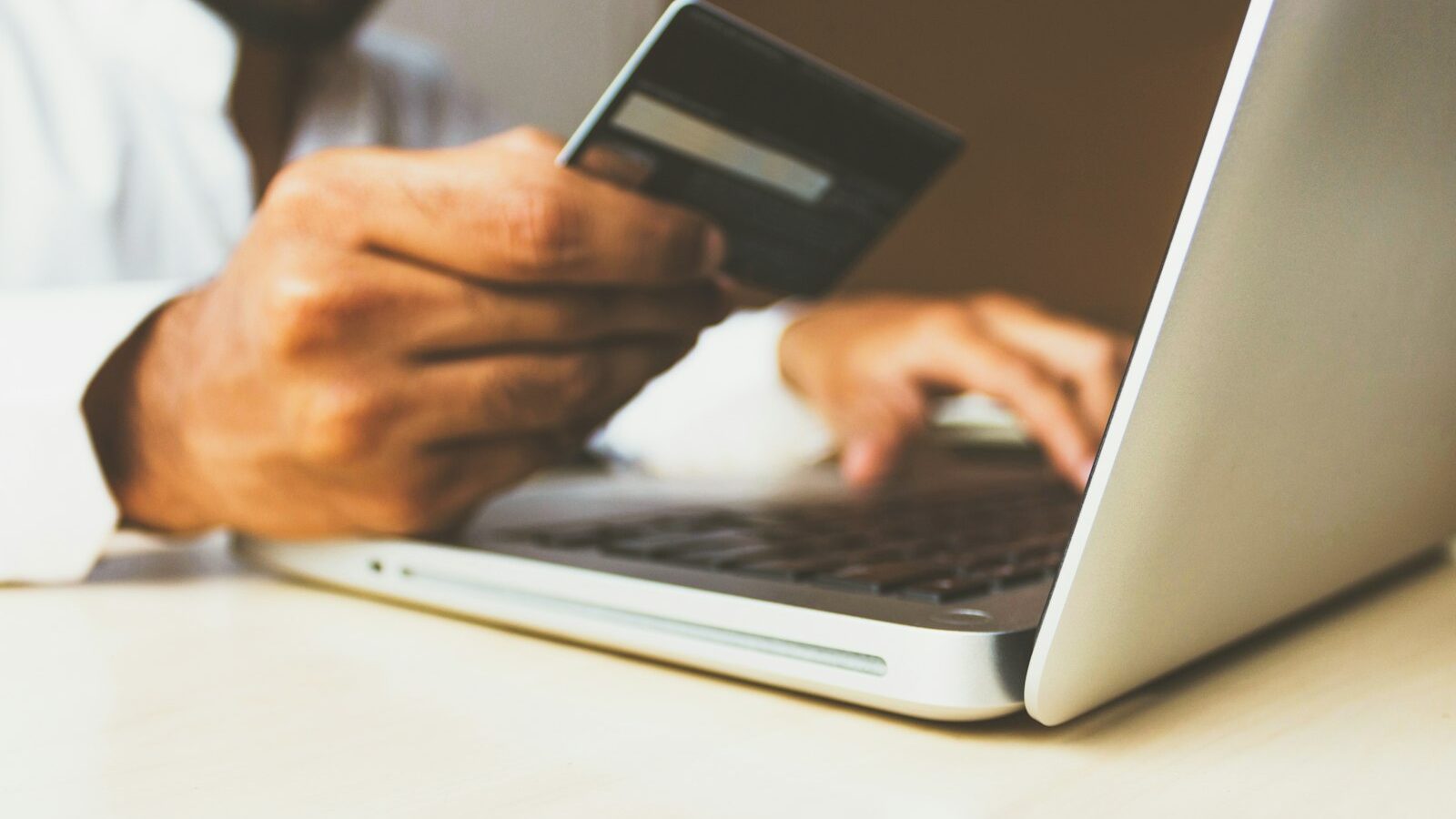
Paying for groceries with a tap, transferring money to a grandchild in seconds, or checking a bank balance from the sofa: digital tools have changed how Singapore handles money. For many older people, though, these changes can feel bewildering or even risky. E payments for seniors do not have to be intimidating. With a clear understanding of how the tools work and a firm grasp of a few safety rules, digital banking can make daily life easier, safer from cash theft, and more independent. This guide explains the basics in plain terms and puts scam safety front and centre.
This is general information, not financial advice. For questions about your own accounts, contact your bank directly using the number on the back of your card or in the official app.
Understanding the Main Tools
Digital money in Singapore comes in a few everyday forms, and you do not need all of them. Start with what solves a real problem in your life.
- Mobile and internet banking. Your bank’s official app or website lets you check balances, pay bills and transfer money without visiting a branch.
- PayNow. A national service that lets you send or receive money using a mobile number or identification number instead of long account numbers.
- Contactless card payments. Tapping a debit or credit card at a terminal, quicker than counting cash.
- QR code payments. Scanning a shop’s code with a banking app to pay, common at hawker centres and markets.
Each of these is offered through official bank apps and the national payment schemes. You do not need to understand every option at once. Pick one, get comfortable, and add another only when you see a clear use for it.
Getting Started Safely
The safest way to begin is slowly and with help you trust. There is no rush, and a careful start builds lasting confidence.
- Download only official apps. Use the Apple App Store or Google Play, and check that the app is published by your actual bank. Never install banking apps from links sent to you.
- Set a strong, private passcode. Use a passcode or biometric lock that only you know. Do not reuse your NRIC or birthday.
- Start with a small task. Check your balance or pay one bill. Success on a small task builds confidence.
- Ask the bank, not a stranger. Bank staff at a branch can help you set up an app. Avoid accepting help from someone who approaches you unprompted.
- Enable transaction alerts. Notifications for every payment help you spot anything wrong quickly.
Many banks and community centres run digital literacy sessions for seniors, and the national Silver Generation Office and libraries offer support too. Learning alongside peers, at a gentle pace, is far less daunting than struggling alone.
Scam Safety: The Rules That Protect You
This is the most important section, because seniors are frequently targeted by scammers. Learn these rules, and share them with anyone you help.
- Never share your OTP, PIN or password with anyone. A one-time password (OTP) is the key to your account. No bank, government officer or delivery company will ever ask for it. Anyone who does is a scammer.
- Banks never ask you to transfer money to a “safe account”. This is a common scam. Real banks and the police do not work this way.
- Do not click links in unexpected messages or emails. Type your bank’s web address yourself, or open the official app directly.
- Verify before you transfer. If a message, call or love interest online asks for money, pause and check with a family member first. Urgency and secrecy are warning signs.
- Hang up on pressure. Scammers create panic, saying your account is compromised or you owe money. A genuine caller will not mind you hanging up and calling the bank back yourself.
If something feels wrong, stop and check. You can call the official ScamShield Helpline on 1799 or use the ScamShield app, and report scams to the police. When in doubt, talk to someone you trust before acting. It is never rude to be cautious with your own money. Older people can also be targets of pressure from those close to them, so our guide to protecting seniors from financial abuse is worth reading alongside this.
Comparing Everyday Payment Methods
Different situations call for different tools. The table below compares common ways to pay, so you can choose what suits each errand.
| Method | Good for | Ease for seniors | Safety notes |
|---|---|---|---|
| Cash | Small purchases, hawker stalls | Very familiar | No fraud risk, but loss or theft is total |
| Contactless card | Shops, supermarkets, transport | Simple tap | Set a spending limit; report a lost card at once |
| PayNow transfer | Sending money to people you know | Moderate | Confirm the recipient’s name before sending |
| QR code payment | Markets, small merchants | Moderate | Only scan the merchant’s own displayed code |
| Internet banking | Bills, larger transfers | Needs practice | Use official app; never via emailed links |
There is no single right answer. Many seniors keep some cash for small daily needs while using a card or app for larger or recurring payments. Use what feels comfortable and safe for you.
Building Confidence Over Time
Comfort with digital money grows through small, repeated success. Once you can check a balance and pay a bill without worry, other tasks feel less daunting. Keep a written note of the steps for tasks you do rarely, and keep your bank’s official helpline number somewhere handy. Review your transaction alerts regularly so nothing slips past you.
Digital tools also connect to wider government services you may use, from healthcare records to benefits. Our guide to using HealthHub and Singpass as a senior explains the secure login that ties many of these together, and the same scam-safety instincts apply there too. If money is tight, remember to make use of the many senior discounts and concessions available, several of which are easiest to access digitally.
Independence With Peace of Mind
Handled with care, e payments for seniors bring real freedom: fewer trips to the bank, less cash to carry, and money that is easier to track. The trade is that you must stay alert to scams, and the rules are simple and absolute. Never share an OTP, never move money to a “safe account”, and always verify before you send. Learn one tool at a time, lean on your bank and trusted family for help, and you can enjoy the convenience of digital money while keeping your savings firmly your own.