
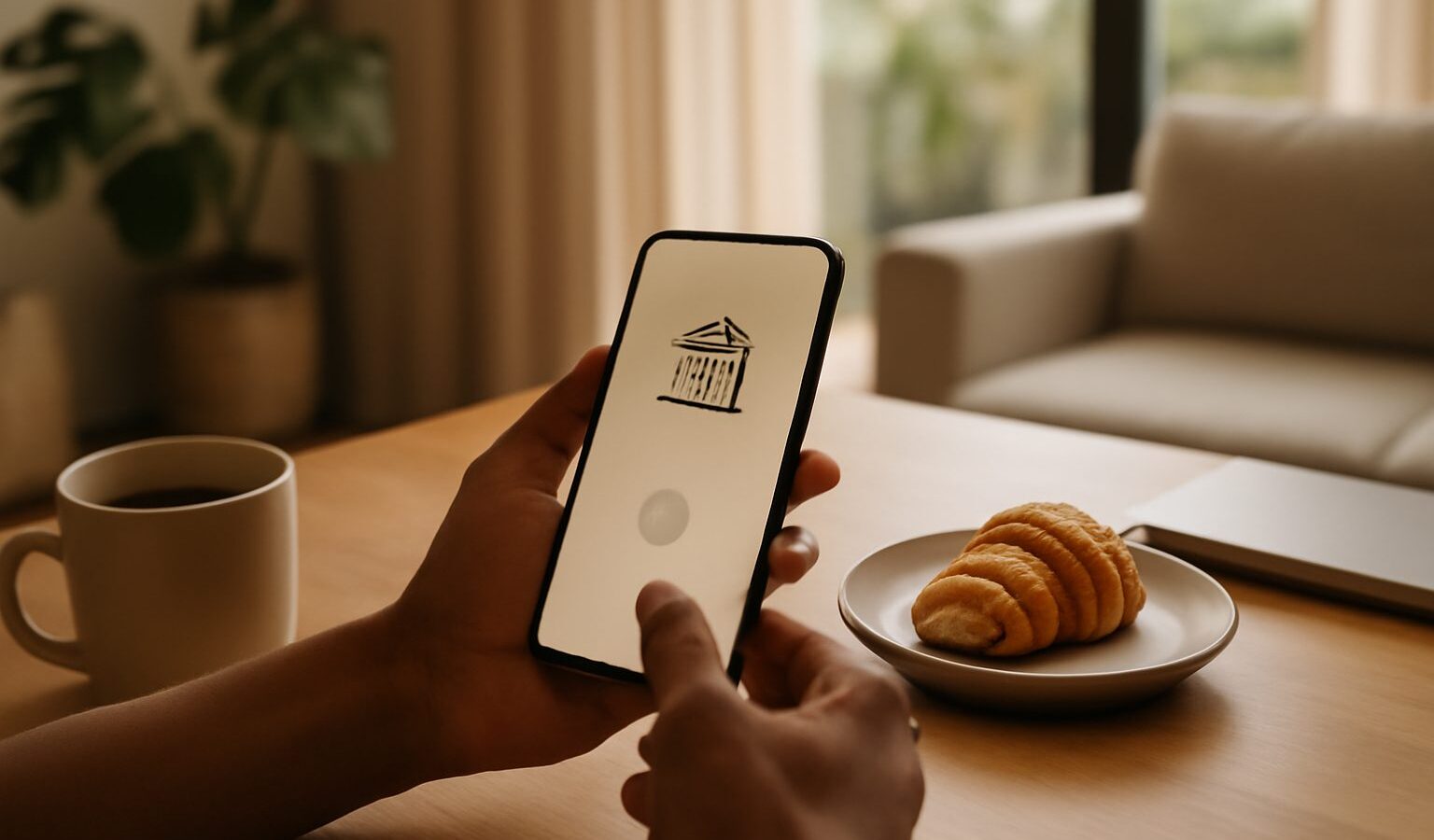
If you have recently arrived and noticed banks here that have no branches at all, you have met the new wave of digital banks Singapore now offers. Names like GXS, Trust and MariBank run almost entirely through an app, much as you might expect after using mobile-first services back in China. They are fully licensed and regulated, yet they work differently from a traditional bank, and understanding those differences helps you decide whether one suits your everyday needs. This guide explains what these banks are, who stands behind them, and what to check before opening an account. It is general information presented neutrally, not a recommendation of any particular bank.
What Makes a Digital Bank Different
A digital bank does everything a normal bank does, holding your money, letting you pay and transfer, and often paying interest on savings, but it does so without physical branches. You open the account on your phone, usually verifying your identity with Singpass, and you manage everything from the app. There are no queues, no forms at a counter, and often no monthly fees or minimum balances, though you should always confirm the current terms in the app.
For newcomers, the appeal is familiar. If you were used to running your financial life through a single super-app in China, the app-only model feels natural. The trade-off is that there is no branch to visit if you prefer face-to-face help, and cash handling is limited, since these banks lean on electronic transfers, PayNow and card networks rather than teller services. Importantly, being digital does not mean being unregulated. Singapore’s digital banks are licensed by the Monetary Authority of Singapore (MAS) and must follow the same core rules on safety and conduct as any other licensed bank here.
Who Runs GXS, Trust and MariBank
The three names most newcomers encounter are backed by large, established companies, which is one reason they launched with wide reach. Knowing who stands behind each helps you understand their style and the ecosystems they connect to. The descriptions below are factual and neutral, and none is presented as better than the others.
- GXS Bank is backed by a consortium led by the ride-hailing and lifestyle group Grab together with the telecommunications company Singtel. It ties into services many residents already use for transport, food delivery and mobile plans.
- Trust Bank is backed by Standard Chartered together with FairPrice Group, the operator of the widespread NTUC FairPrice supermarkets. Its offering often links to grocery and everyday retail rewards.
- MariBank is backed by Sea Limited, the technology group behind the Shopee marketplace and other digital services. It connects naturally to online shopping habits.
Each bank sets its own products, features and terms, and these evolve over time, so treat the ecosystem links above as context rather than a fixed promise of what you will receive.
A Side-by-Side Look
Because features, interest rates and conditions change frequently, the comparison below focuses on the stable, structural facts rather than any specific figures. Always open each bank’s app or website for the current products, rates and fees before deciding, and do not rely on numbers quoted elsewhere.
| Bank | Main backers | Ecosystem it connects to | Model |
|---|---|---|---|
| GXS Bank | Grab and Singtel | Transport, delivery, telco services | App-only, MAS-licensed |
| Trust Bank | Standard Chartered and FairPrice Group | Supermarkets and everyday retail | App-only, MAS-licensed |
| MariBank | Sea Limited | Online shopping and digital services | App-only, MAS-licensed |
This table is a starting point for your own research, not an endorsement. The right choice depends on which everyday services you already use and what each bank currently offers.
How Your Money Is Protected
A fair question for any new bank is whether your money is safe. In Singapore, eligible deposits placed with a full bank or finance company are insured by the Singapore Deposit Insurance Corporation (SDIC) up to a limit set by the scheme, and this protection applies per depositor per member institution. Digital banks that are SDIC members offer the same protection as traditional ones, which is an important reassurance if the app-only format feels unfamiliar.
Do not assume a specific coverage amount from memory, because the insured limit and the list of scheme members can change. Check the SDIC website and each bank’s own disclosures for the current figure and to confirm that the particular account you are opening is covered. Beyond deposit insurance, remember the everyday basics of digital safety: protect your Singpass and banking passwords, never share one-time passwords, and be alert to scams, since app-only banking puts all your access on one device.
Opening an Account and Using It Day to Day
Getting started is usually quick. You download the app, verify yourself with Singpass, and follow the prompts. Because Singpass draws on your official records, permanent residents and eligible pass holders can often onboard smoothly, though eligibility rules differ between banks, so check whether your residency status qualifies before you begin. Have your identity documents and a Singapore mobile number ready.
Once open, these accounts slot neatly into local life. You can receive your salary, pay bills, and send money instantly to others using PayNow, Singapore’s system for transfers linked to a mobile number or identification. If you have used mobile payments in China, the rhythm will feel familiar, even though the underlying networks differ. Many digital banks also issue a debit card for shops and online purchases. What they generally do not offer is easy over-the-counter cash service, so if your life still involves a lot of physical cash, you may want to keep a traditional bank account alongside a digital one.
Deciding Whether a Digital Bank Suits You
A digital bank is not automatically better or worse than a traditional one. It is a different tool. If you value convenience, live on your phone, and rarely need a branch, an app-only bank can be a clean, low-fuss way to manage money. If you prefer speaking to someone in person, handle a lot of cash, or want the full range of products such as complex loans and wealth services, a traditional bank may still serve you better, and there is nothing wrong with using both.
The sensible approach is to match the bank to your habits, read the current terms in the app rather than trusting hearsay, and confirm that your deposits are protected. Because products and rules keep evolving, verify the latest details directly with each bank and with MAS or SDIC before you commit. Choose calmly, keep your login details secure, and let the account earn its place in your routine.
Explore more
Sorting out your banking is part of building a stable financial base in a new country. If you are keeping savings tied to China, see our guide to holding RMB time deposits in Singapore banks, and if a property purchase is on the horizon, read about getting a home loan using overseas income in Singapore. For the longer view across both countries, our overview of estate planning for assets in both China and Singapore helps you see how these accounts fit the bigger plan.