
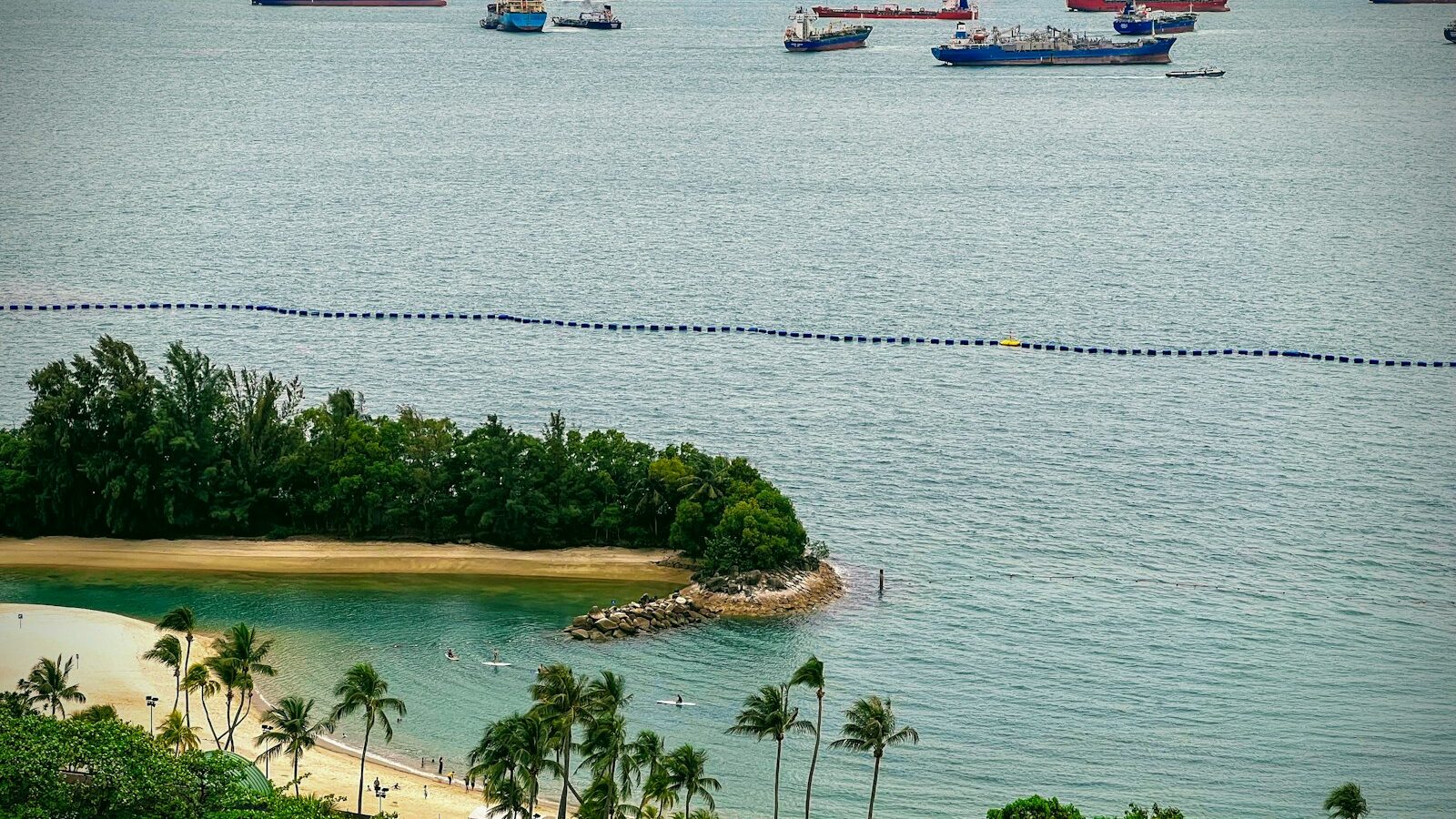
Slipping beneath the surface to breathe underwater for the first time is a thrill that stays with you, and getting into diving Singapore style is more accessible than many people expect. You do not need to be an athlete or own any gear to begin, but you do need to start the right way: with a proper course, a certified instructor, and a clear understanding of the medical and safety requirements. This guide walks you through how lessons work here, from a gentle first snorkel to a full open-water certification, so beginners can picture the journey and plan a safe start.
Start with a course, not a shortcut
Scuba diving is a wonderful activity, but it carries real risks when done without training. That is why every beginner should start with a recognised course run by a certified instructor and a reputable dive centre. There is no safe way to “just try” scuba on your own.
- Discover or try-dive sessions: Many centres offer a supervised introductory experience in a pool or confined water, letting you feel what breathing underwater is like before you commit to a full course. You are guided closely by an instructor throughout.
- Entry-level certification: The standard first qualification, such as an open-water course, teaches you the theory, skills and safety procedures over several sessions, mixing classroom or online learning, confined-water practice and open-water dives.
- Snorkelling: If scuba feels like a big step, snorkelling lessons are a lovely, lower-pressure introduction to the water. You learn to use a mask, snorkel and fins, practise breathing and clearing, and build confidence floating at the surface.
Choose a dive centre affiliated with a recognised training agency, and confirm your instructor is currently certified. A good centre will happily explain their qualifications, class sizes and safety record.
Medical fitness and safety requirements
Diving places your body under pressure changes that make health screening essential, so this step is not optional.
- Medical questionnaire: Before any course, you will complete a standard medical statement. Certain conditions, including some heart, lung, ear and other issues, mean you must be cleared by a doctor, ideally one familiar with diving medicine, before you can take part.
- Swimming ability: Most entry-level courses expect a basic level of comfort and competence in the water. Snorkelling is more forgiving, but you should still be at ease at the surface.
- Age and supervision: Operators set minimum ages for courses and try-dives, with younger participants diving under stricter depth limits and close supervision. Confirm the requirements when you book.
- No flying after diving: You must leave enough surface time before flying, so plan any dive trip around your travel dates.
Never dive when unwell, congested, hungover or over-tired. Always follow your instructor’s briefing, stay within the plan, and speak up if anything feels wrong. Reputable operators will refuse to take anyone who does not meet the safety and medical requirements, and that is a sign of a centre worth trusting.
Where lessons and dives happen
Singapore’s own waters are busy and often have limited visibility, so the learning journey usually blends local training with trips further out.
- Pools and confined water: Your first skills are almost always learned in a pool, a calm, controlled place to master breathing, clearing your mask and managing buoyancy.
- Local dive spots: Some open-water training and fun dives happen around the Southern Islands and other nearby sites, where centres know the conditions well.
- Regional trips: Many divers head to nearby regional destinations for clearer water and richer marine life once certified, and centres often organise these trips for students and members.
Wherever you dive, follow local marine advisories, mind currents and tides, and never touch or take marine life. Diving is a look-but-do-not-disturb activity, and protecting reefs and creatures keeps them there for the next diver.
Choosing between snorkelling and scuba to begin
Not sure where to start? This comparison shows how the two entry paths differ so you can pick what suits you.
| Feature | Snorkelling lessons | Scuba (open-water course) |
|---|---|---|
| Learning curve | Gentle, quick to pick up | Structured, several sessions |
| Equipment | Mask, snorkel, fins | Full scuba kit, provided |
| Depth | Surface, looking down | Underwater, within limits |
| Medical screening | Basic health check | Full medical statement |
| Certification | Not usually required | Yes, formal qualification |
| Best for | Cautious or first-timers | Committed beginners |
Plenty of people start with snorkelling to build water confidence, then move on to a scuba course when they are ready for more.
Getting there and planning your day
Dive centres and training pools are dotted around the island and easy to reach.
- By MRT and bus: Most centres sit within reach of public transport; check the nearest station and exit when you book your session.
- Ferries for island dives: Trips to island sites usually depart by ferry or boat, so confirm departure points, timings and what to bring with the operator.
- Mind the heat: Between water sessions you can be exposed to strong sun, so bring reef-safe sunscreen, water, a hat and a rash guard, and rest in the shade.
Bring a towel, a change of clothes and any personal comfort items, but let the centre provide the technical gear so it is correctly maintained and sized. Give yourself a relaxed schedule, as rushing a dive day works against safety.
Tips for a confident start
- Ask questions freely. A good instructor welcomes them; your comfort matters more than looking experienced.
- Go at your own pace. Equalising your ears and controlling your breathing take practice, and that is completely normal.
- Check your medical status early. Sort any required doctor’s clearance before you book, not on the day.
- Book small classes. Fewer students per instructor usually means more attention and a safer, calmer session.
- Keep learning. After your first certification, further courses build the skills and confidence to explore more.
Explore more
Once you are comfortable in the water, keep exploring. Pair your dive plans with the southern islands of singapore guide to picture where local trips head, or make it a shared adventure with group outings and friend hangouts singapore. Craving another challenge on land? Try rock climbing and bouldering gyms singapore.