
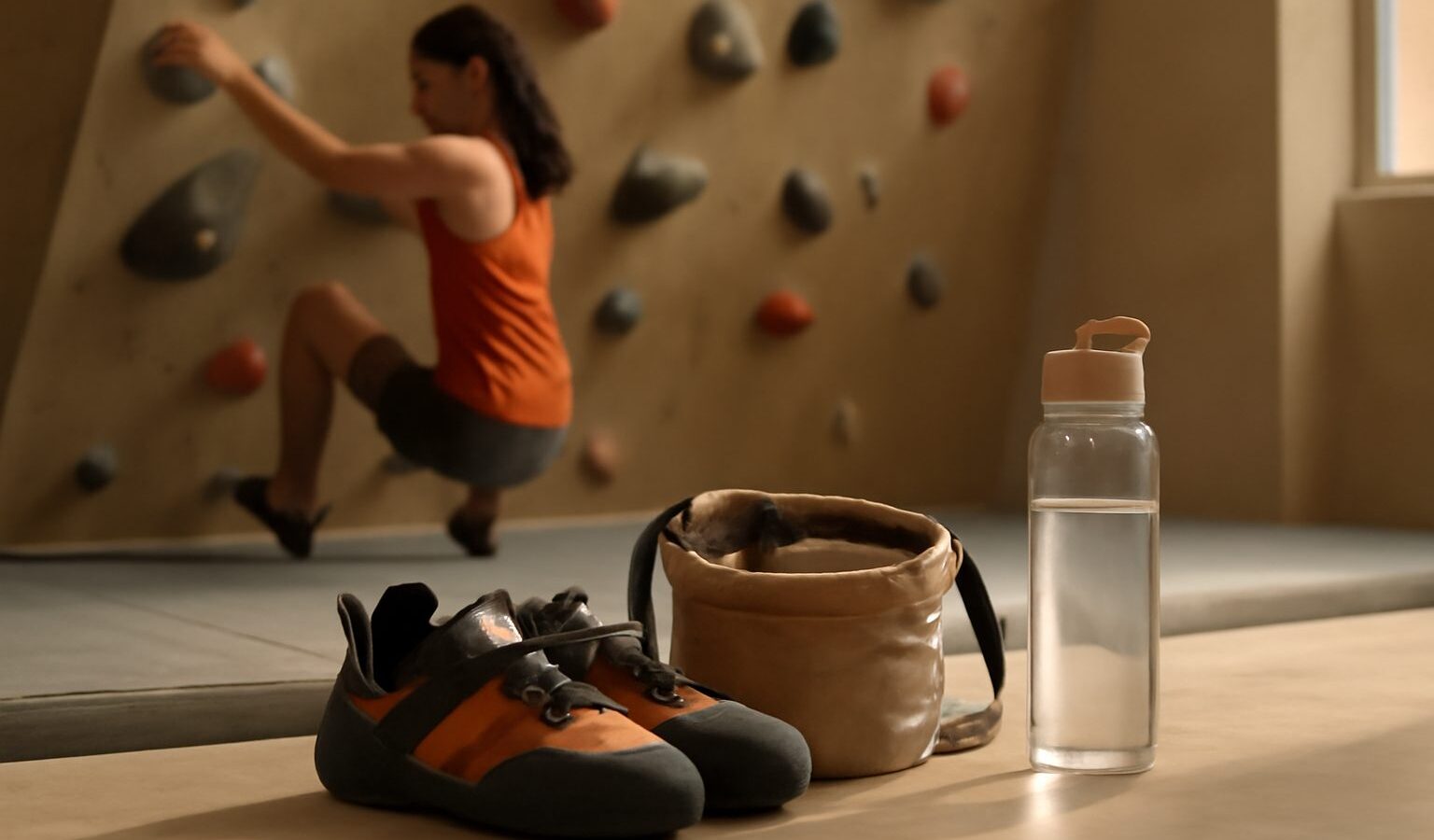
If you have been looking for a workout that feels more like play, rock climbing in Singapore is one of the most welcoming sports to pick up. You do not need to be strong, tall or experienced to start, and the scene has grown into a friendly community of air-conditioned gyms, outdoor walls and beginner classes dotted right across the island. Most spots sit a short walk from an MRT station, which makes climbing an easy after-work or weekend outing. This guide walks you through the difference between bouldering and roped climbing, where to find gyms, what a first session looks like, and how to stay safe while you learn.
Bouldering versus roped climbing
The two main styles you will meet are bouldering and roped climbing, and it helps to know which one suits you before you book.
Bouldering means climbing shorter walls, usually up to about four to five metres, without a rope. Instead of gear, you land on thick padded flooring, and problems (the set routes) are marked by coloured holds. It is social, quick to try, and needs almost no equipment beyond climbing shoes, which makes it the most popular entry point for newcomers.
Roped climbing takes you much higher, so you wear a harness and are attached to a rope. Top-rope climbing has the rope anchored at the top, so if you slip you simply hang. Lead climbing, for more advanced climbers, means clipping the rope in as you go. Roped climbing usually requires a belay partner or an auto-belay device, plus a safety check or certification before you are allowed on the walls unsupervised.
Here is a quick comparison to help you choose your first style:
| Style | Height | Gear needed | Best for | Belay partner |
|---|---|---|---|---|
| Bouldering | About 4 to 5 m | Climbing shoes, chalk | Total beginners, solo visits, short sessions | No |
| Top-rope | Often 10 to 15 m | Shoes, harness, rope | Building endurance, facing heights safely | Yes, or auto-belay |
| Lead climbing | Full wall height | Shoes, harness, quickdraws | Experienced climbers, progression | Yes |
| Outdoor climbing | Varies | Full kit plus guide | Adventurous climbers with training | Yes |
Where to climb across the island
Singapore has a healthy spread of indoor gyms, so you are rarely far from a wall. Bouldering-only gyms cluster in industrial buildings and lifestyle malls in areas such as Kallang, Bukit Timah, Tai Seng, Jurong and the city fringe, many within a five to ten minute walk of an MRT station. Larger gyms combine bouldering caves with tall roped walls and lead sections, so a group with mixed experience can all climb under one roof.
Beyond commercial gyms, there are community and outdoor options. Some public sports centres run by the authorities include climbing walls at friendly rates, and a few outdoor rock walls sit within parks and adventure spots for those who want sunshine and a breeze. Because the tropical heat and midday sun are intense, outdoor climbing is most comfortable in the early morning or late afternoon, and you should bring plenty of water, sun protection and a hat for the waiting time between climbs.
When picking a gym, think about crowd levels (weekday evenings and weekends get busy), the range of grades (a good spread of easy problems matters for beginners), and whether they offer classes. Many gyms let you check live capacity or book slots online, which saves a wasted trip.
Your first session, step by step
Walking into a climbing gym for the first time can feel intimidating, but the routine is simple. Here is what to expect:
- Register and waiver. You fill in a form and watch or read a short safety briefing. First-timers are usually pointed to the beginner-friendly walls.
- Rent your shoes. Climbing shoes give you grip; most gyms rent them by the session. Wear comfortable, stretchy clothes you can move in.
- Learn to fall. For bouldering, staff or an instructor will show you how to down-climb and how to land safely on the mats, bending your knees and rolling back.
- Start on easy problems. Follow the colour-coded holds. Use your legs to push up rather than hauling with your arms, and rest often.
- Cool down. Climbing is surprisingly tiring on the forearms and fingers, so stop before your grip gives out.
If you want proper technique from the start, book a beginner lesson or an introductory course. Instructors set the safety, fitness and age requirements, and for roped climbing a belay certification class is usually mandatory before you can climb without supervision. Taking a lesson is the safest way in, especially for children, who often need to meet a minimum age or be accompanied by an adult.
Costs, gear and staying safe
Prices vary by gym, membership type and whether you rent gear, so always check the operator’s current rates rather than relying on old figures. As a rough, illustrative idea only, a single entry plus shoe and (for roped climbing) harness rental is a modest outing, and regulars save with multi-visit passes or memberships. Introductory courses cost more because they include instruction and certification.
A few essentials to keep your sessions safe and fun:
- Warm up your fingers, wrists and shoulders before pulling hard, as strains are the most common beginner injury.
- Trim your nails and remove rings; skip climbing if your hands are very sweaty without chalk.
- Never climb over someone or walk under a bouldering wall while others are on it.
- Respect the grades and progress slowly; ego climbing leads to falls and tweaked fingers.
- Hydrate, especially at outdoor walls, where the heat drains you faster than the air-conditioned gyms.
Because climbing is a physical activity, operators set their own safety, fitness and age rules, and beginners really should take a lesson rather than winging it. Follow staff instructions, and if you ever feel a sharp pain, stop and rest.
Explore more
Ready to keep the adventure going? If you enjoy activities that get your heart racing, try our guide to laser tag and paintball for another active group day out. Water lovers can look at diving and snorkelling lessons, while anyone who wants a mellow outdoor reset will enjoy our nature playgrounds and forest walks guide.