
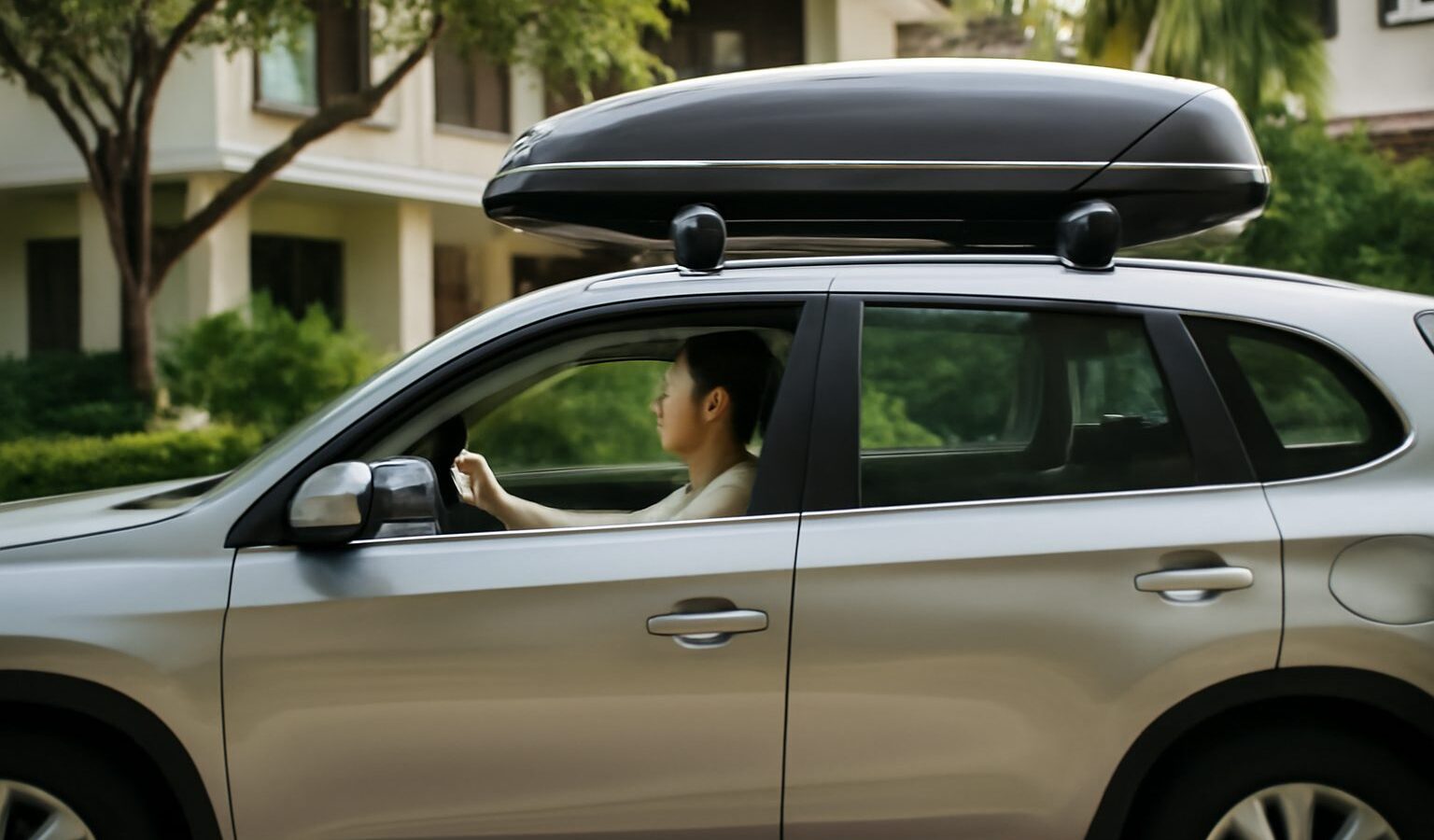
A boot packed to the roof lining, a bike rack on the back or a roof box strapped up top can turn an ordinary family car into a proper load carrier. It is how many Singapore families get away for a long weekend across the Causeway, and how a small move gets done without hiring a lorry. The catch is that a fully laden car does not drive like an empty one. Driving with a heavy load changes how the car stops, steers and sits on the road, and getting it wrong is a genuine safety risk. This is general guidance to keep you and other road users safe, not a substitute for your car’s handbook or the load rules that apply.
Know Your Car’s Weight Limits
Every car has limits set by its maker, and they are there for good reasons. Overloading strains the brakes, tyres and suspension, and it is against the rules to drive an unsafely loaded vehicle. Before you pile things in, find these figures in your owner’s handbook or on the door pillar sticker:
- The maximum payload, which is the total weight of passengers plus luggage the car may carry.
- The roof load limit, which is often surprisingly low, in the region of a few tens of kilograms including the rack and box.
- The towing and noseweight limits if you are pulling a trailer.
The roof limit catches people out most. A roof box may look cavernous, but the weight on top raises the car’s centre of gravity and makes it lean more in bends, so keep heavy items low in the boot and reserve the roof for bulky but light things like bedding and empty bags. Spread weight evenly and, where you can, keep the heaviest items low and over the axles rather than slung out at the very back.
Secure the Load So Nothing Can Shift
A loose load is dangerous. Under hard braking, an unsecured object carries on at the speed you were doing, so a heavy bag can fly forward into the cabin. Anything on the roof or a rack that works free can fall onto the road and cause a serious accident.
Follow a simple order when you pack and secure:
- Load the boot first, heaviest items at the bottom and pushed against the seat backs.
- Fill gaps so nothing can slide, and keep the load below window height where possible so you can still see out.
- Use proper straps or a cargo net for anything on a roof rack or towbar rack, never bungee cords alone for heavy items.
- Fit the roof box to the maker’s instructions, lock it, and tug everything firmly to check it holds.
- Stop after a few kilometres and check the straps again, because they often loosen as a load settles.
If you carry long items with the boot or hatch open, or anything that overhangs, make sure it is clearly visible and does not obscure your lights or number plate. When in doubt about what is legal to carry or how it must be marked, check the current Traffic Police and LTA rules rather than guessing.
How Handling and Braking Change
The single most important thing to accept is that a laden car needs more room to stop. The extra mass means longer braking distances, and the effect is worse in the wet, which in our climate means most of the year. Brakes can also fade, meaning they lose bite, if you ride them down a long descent such as a multi-storey carpark ramp or a hilly stretch in Malaysia.
Adjust how you drive to match:
| Behaviour | Empty car | Heavily loaded car |
|---|---|---|
| Braking distance | Normal | Noticeably longer, so brake earlier |
| Cornering | Flat and stable | Leans and sways more, so slow before the bend |
| Acceleration | Brisk | Slower, so leave bigger gaps to merge |
| Crosswind on the roof | Minimal | Pushed around more, so hold the wheel firmly |
| Tyre load | Normal | Higher, so check pressures before you set off |
Increase your following distance, brake and steer smoothly, and take corners and expressway slip roads more slowly than usual. Sudden movements can set a tall, laden car rocking, especially with weight up high. Check your tyre pressures before a heavy trip too, as many handbooks specify a higher pressure for a full load, and under-inflated tyres carrying extra weight run hot and can fail.
Height, Carparks and Clearance
A roof box or roof-mounted bicycles add height you will forget about until it is too late. Singapore is full of height barriers, from HDB and condo basement carparks to shopping mall entrances and the bars at petrol stations, and many sit lower than a car wearing a roof box.
Protect yourself with a few habits:
- Measure your car’s total height with the box or bikes fitted and note it down.
- Read the clearance signs at every carpark entrance before you commit.
- Approach barriers and low entrances slowly, and get a passenger to guide you if it looks tight.
- Remove the roof box or rack when you are not using it, so you do not drive into a barrier out of habit weeks later.
Hitting a barrier at even low speed can rip the box off, damage the roof and injure people nearby, so when a gap looks marginal, back out and park elsewhere.
Fuel, Noise and the Long Drive
A loaded car and especially a roof box hurt fuel economy. The extra weight takes more energy to move, and a box on the roof creates a lot of aerodynamic drag, so expect to visit the petrol station more often and budget for it, particularly on a longer drive up north. Removing the box for daily driving quickly claws some of that back.
You will also notice more wind noise and, sometimes, a whistle from the roof box at expressway speeds. It is normal, though a very loud noise can mean the box is not seated properly, so it is worth a check at your next stop.
On a long, laden drive, plan for the changed feel of the car. Ease off your usual pace, take regular breaks to stay alert, and re-check your straps and load at each stop. If the car feels unstable, wallows alarmingly or the steering goes light, you may be overloaded or badly balanced, so pull over safely and redistribute the weight before carrying on. Driving with a heavy load is perfectly manageable once you respect the limits, secure everything properly and give yourself extra time and space on the road.