
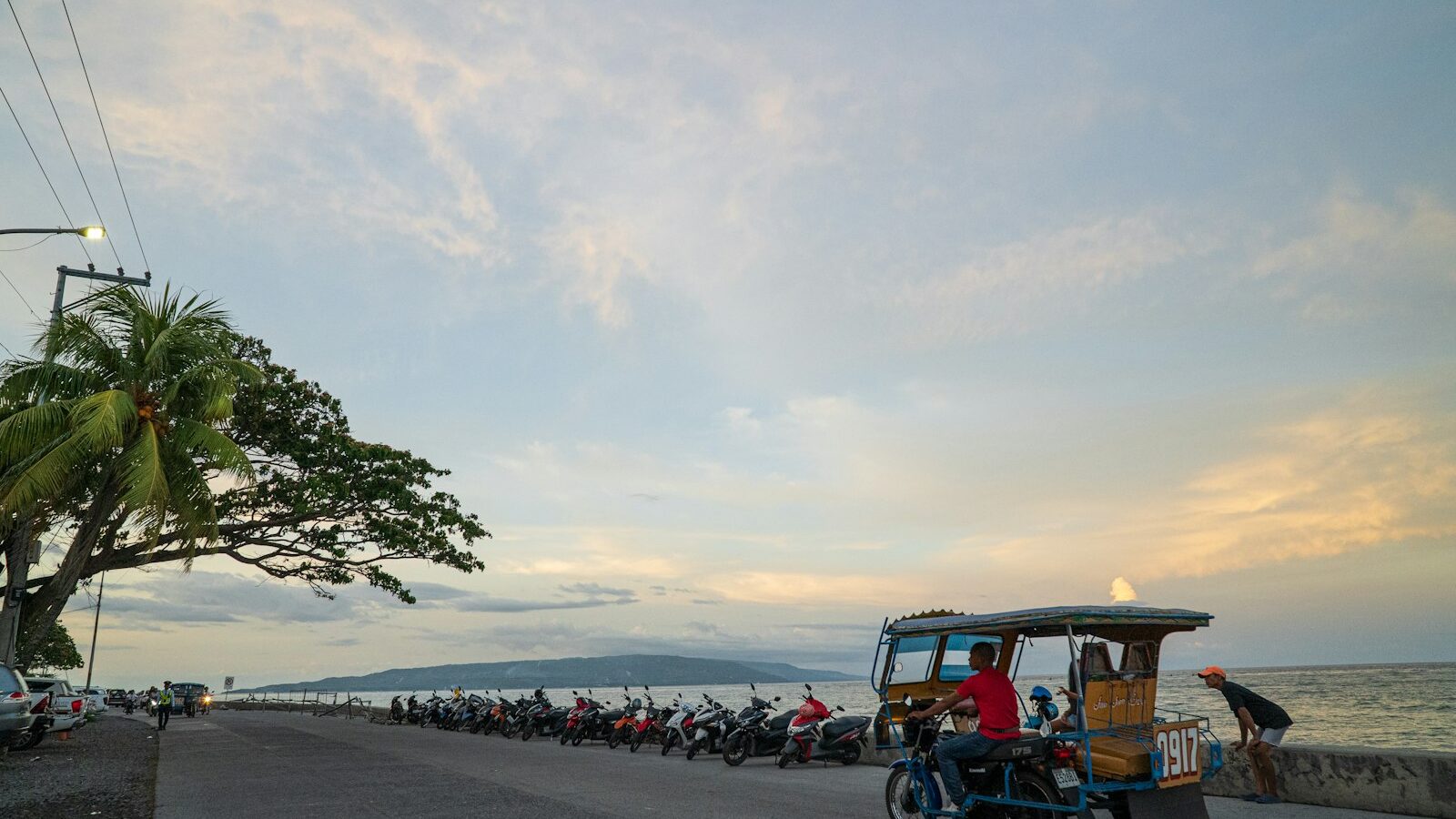
Most Singaporeans who visit the central Philippines head to Cebu or Bohol. Just south of them, across a narrow strait, lies a quieter corner that many travellers miss: Dumaguete, a relaxed university city on the island of Negros, and Siquijor, a small island known for waterfalls, clear water and local folklore. Add Apo Island, one of the best-known marine sanctuaries in the country, and you have a rewarding trip for snorkellers, divers and anyone who wants a slower pace.
This guide to Dumaguete Siquijor travel covers how to get there from Singapore, what to see, and how to plan a week without rushing. Flight routes, ferry operators and entry rules change, so always check current schedules with the airlines, ferry companies and official Philippine government sources before you book.

Getting There From Singapore: Via Cebu or Manila
There are generally no direct flights from Singapore to Dumaguete, so you will need to connect. The two common routes are:
Via Manila. Fly from Changi to Manila, then take a domestic flight to Dumaguete’s airport, which is just north of the city in Sibulan. This is usually the simplest option if you want to fly all the way. Check whether your domestic flight leaves from the same terminal as your arrival, and leave enough connection time.
Via Cebu. Fly from Changi to Mactan-Cebu, then continue overland or by sea:
- Fast ferry: sea routes link Cebu City and Dumaguete, with some services stopping at Tagbilaran in Bohol. This is a good choice if you want to combine Bohol and Negros.
- Bus and short ferry: buses run from Cebu City down to the southern tip of Cebu, where a short ferry crossing takes you to Negros near Dumaguete. It is cheap and scenic but takes most of a day.
- Domestic flight: depending on the season, there may be flights between Cebu and Dumaguete.
| Route | Best for | Things to know |
|---|---|---|
| Singapore to Manila, then fly to Dumaguete | Travellers who want the fewest transfers | Allow buffer time for domestic connections and terminal changes |
| Singapore to Cebu, then fast ferry | Combining Cebu or Bohol with Negros | Sea conditions can delay or cancel sailings |
| Singapore to Cebu, then bus and short ferry | Budget travellers with time to spare | Long travel day, start early |
| Dumaguete to Siquijor by ferry | Every Siquijor visit | Several crossings a day, schedules vary by operator |
Before you fly: Singapore passport holders can usually visit the Philippines visa-free for short stays, but check the current rules for your passport with the Philippine Embassy in Singapore. Travellers are also required to complete the Philippines’ online eTravel registration before arrival. Confirm current requirements on the official eTravel site, and use only official channels.
Dumaguete: The City of Gentle People
Dumaguete is the capital of Negros Oriental and has a friendly, lived-in feel. It is home to Silliman University, so there are cafes, cheap eats and a youthful buzz. Highlights include:
- Rizal Boulevard: a seafront promenade that is lovely at sunrise and in the evening, when locals come out to walk and snack.
- The city centre: an old bell tower beside the cathedral, busy markets and plenty of local bakeries.
- Valencia and the hills: a short drive inland, cooler highlands offer waterfalls and nature walks. Go with a local guide or driver, as conditions and access can change after rain.
- Twin lakes: further inland, the twin crater lakes of Balinsasayao and Danao are a peaceful spot for kayaking and forest walks.
- Manjuyod sandbar and Bais: north of the city, boat tours visit a long white sandbar and may include dolphin watching. Choose an operator that keeps a respectful distance from wildlife.
Dumaguete works well as a base. Many travellers stay a few nights, then hop across to Siquijor.
Apo Island: Snorkelling With Turtles
Apo Island is a small volcanic island south of Dumaguete, famous for its community-run marine sanctuary. Thanks to long-term protection, its reefs are healthy and green sea turtles are often seen grazing in the shallows.
Boats to Apo usually leave from the coast south of Dumaguete, around Zamboanguita. Day trips are common, and some visitors stay overnight on the island for early-morning snorkelling. Things to know:
- Visitors usually pay environmental and snorkelling fees that support the sanctuary. Fees and rules are set locally, so ask your boat operator or accommodation for the current details.
- Some areas are strictly no-take zones and may require a local guide.
- Never touch, chase or ride turtles, and keep your fins off the coral.
- Use reef-safe sunscreen or wear a rash guard.
- Sea conditions can change quickly, and trips are cancelled when the water is rough.
Siquijor: Waterfalls, Beaches and Folklore
Siquijor is a short ferry ride from Dumaguete port, arriving at either Siquijor town or Larena depending on the operator. The island is small enough to circle in a day by motorbike or tricycle, but most people stay a few nights to enjoy the slow pace.
Popular stops include:
- Cambugahay Falls: turquoise pools with rope swings. Go early to avoid crowds, and be careful on slippery steps.
- Salagdoong Beach: a popular beach with clear water and cliff-jumping spots. Only jump where it is clearly safe and supervised, and check the depth first.
- Paliton Beach: a quieter stretch of white sand, good for sunset.
- The old balete tree: a large tree with a spring-fed pool where small fish nibble your feet.
- Lazi Church and Convent: a historic church and one of the island’s most visited heritage sites.
Siquijor has a long reputation for folk healing and traditional remedies, and you will hear stories about it. Treat these traditions with curiosity and respect, and remember that for many residents they are part of local culture, not a tourist show.
Many travellers rent a motorbike on the island. Only ride if you hold a valid licence and are experienced, wear a helmet, and check that your travel insurance covers motorbike riding. If not, hire a tricycle or a driver for the day.
When to Go and How Long to Stay
The central Philippines is warm all year. The drier months generally run from around December to May, which is the most comfortable time for boat trips and snorkelling. The wetter months bring more rain and occasional storms, which can disrupt ferries and island boats, so build in a spare day.
The September school holidays can still work for a family trip, but keep the plan flexible and watch weather updates.
A relaxed itinerary might look like:
- Days 1 to 2: arrive in Dumaguete, walk Rizal Boulevard, explore the city.
- Day 3: day trip to Apo Island for snorkelling.
- Day 4: inland trip to the twin lakes or Valencia’s waterfalls.
- Days 5 to 7: ferry to Siquijor, explore the waterfalls and beaches at a gentle pace.
Practical Tips for Singaporean Travellers
- Money: the Philippine peso is the local currency. Cards are accepted in some hotels and restaurants, but carry cash for tricycles, boats, fees and small shops.
- Connectivity: a local SIM or eSIM is useful for maps and ride bookings in the city.
- Health: drink bottled or treated water, carry insect repellent, and pack any regular medication.
- Insurance: take a policy that covers water sports and island boat trips. Our guide to travel insurance in Singapore explains what to look for.
- Respect: dress modestly when visiting churches, and leave beaches and reefs as clean as you found them.
If you enjoy slower island trips like this, you may also like our guide to Ubud from Singapore for a similar mix of nature and culture closer to home. Dumaguete, Apo Island and Siquijor reward travellers who take their time, so plan a flexible route, check current schedules, and enjoy this gentler side of the Visayas.
Frequently Asked Questions
Is Siquijor safe to explore by motorbike? Many travellers rent one, but only ride if you hold a valid licence, are experienced and wear a helmet, and check that your travel insurance covers motorbike riding. Roads and waterfall steps can be slippery after rain. Otherwise hire a tricycle or a driver for the day.
What is the best time of year to visit Dumaguete and Siquijor? The drier months, generally December to May, are the most comfortable for boat trips and snorkelling. The wetter months bring more rain and occasional storms that can disrupt ferries and island boats, so build in a spare day and watch weather updates.
How many days do I need for Dumaguete, Apo Island and Siquijor? About a week works for a relaxed trip. Spend a couple of days in Dumaguete, one day on Apo Island, one inland day, then the remaining days on Siquijor at a gentle pace. Add a spare day for weather-related ferry delays.
Do I need cash in Dumaguete and Siquijor, or can I pay by card? Carry cash. Cards are accepted in some hotels and restaurants, but tricycles, boats, environmental fees and small shops generally need Philippine pesos. A local SIM or eSIM is also handy for maps and ride bookings in the city.
Is it okay to touch or swim close to turtles at Apo Island? No. Never touch, chase or ride turtles, and keep your fins off the coral. Some areas are strictly no-take zones and may require a local guide, and visitors usually pay fees that support the sanctuary, so ask your boat operator for the current rules.
Further reading: Batanes from Singapore: A Travel Guide