
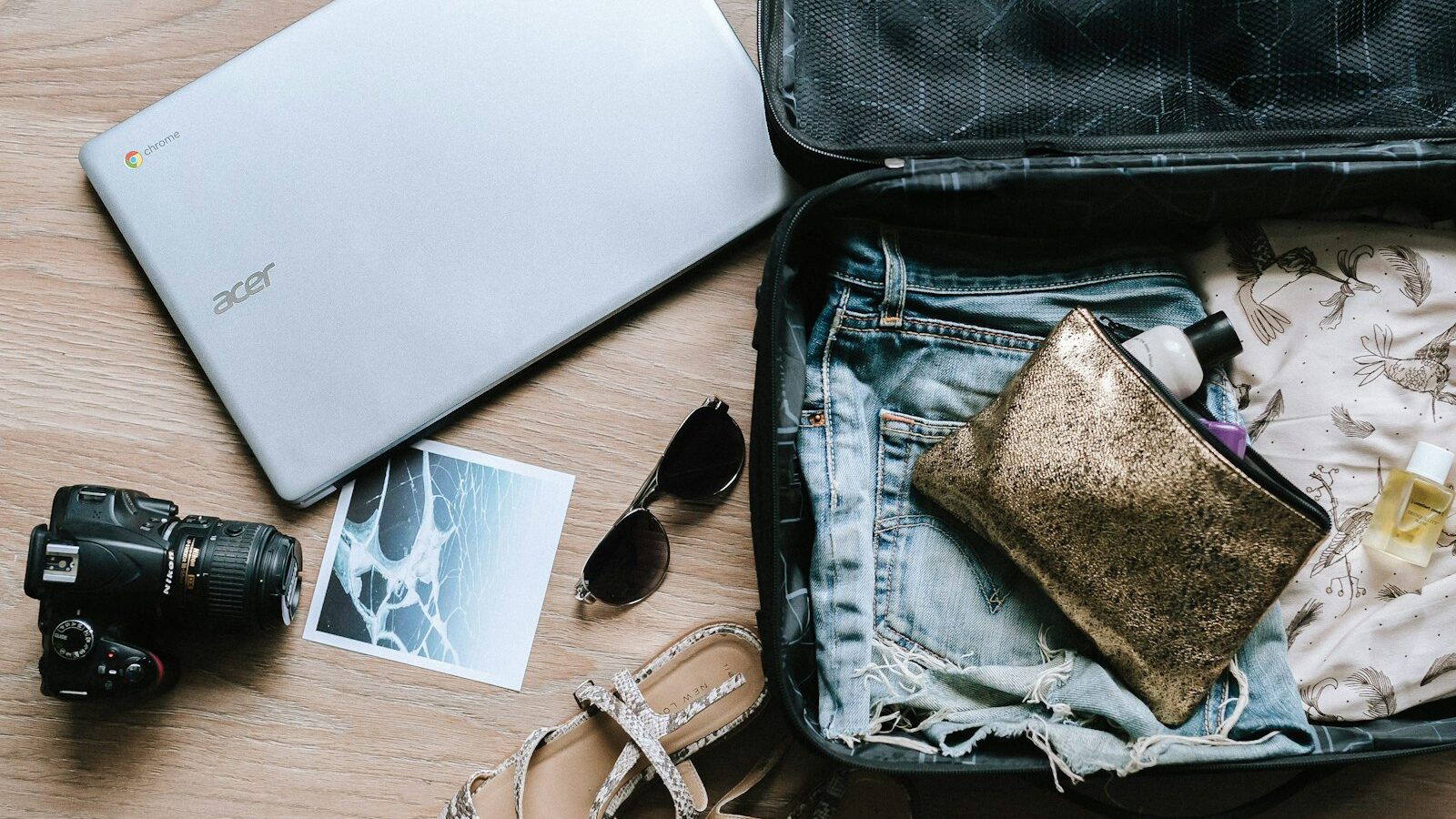
There is a particular joy in walking off a flight at Changi and straight past the baggage carousel, bag on your shoulder, already on the train home. Packing light carry-on only is not about deprivation, it is about freedom: no waiting for luggage, no lost bags, no lugging a heavy case up a hostel staircase or across a cobbled street. It also saves money on airlines that charge for checked bags, which matters on the budget carriers many of us take around the region. The skill is learning that you need far less than you think, and building a repeatable system so you can pack for a weekend in Bangkok or two weeks in Europe from the same cabin bag. This guide walks through how to choose a bag, build a small wardrobe that works, handle toiletries and liquids, and pack it all so nothing is wasted.
Choose the Right Cabin Bag
Everything starts with the bag, because the bag sets the limit and the limit does the discipline for you. Most airlines cap cabin baggage by dimensions and weight, and those allowances vary a lot, especially between full-service carriers and budget airlines. Always check the specific airline’s cabin baggage rules for your flight before you pack, since a bag that flew free last month may cost extra on a different carrier. Weigh your packed bag at home with a luggage scale so there are no surprises at the gate.
For the bag itself, you have three broad choices. A wheeled cabin case is easy on smooth airport floors but heavier when empty and awkward on stairs or rough pavements. A travel backpack keeps your hands free and handles uneven ground well, which suits the region and backpacking trips, though it puts the weight on your shoulders. A hybrid bag with both straps and wheels tries to do both. Pick based on where you are going and how much walking you expect. Whatever you choose, a bag that opens flat like a suitcase is far easier to pack and live out of than one you dig into from the top.
Build a Small Wardrobe That Works
Clothes are where most people over-pack, so this is where the biggest savings live. The trick is a capsule wardrobe: a small set of pieces that share a colour palette so everything mixes and matches. Choose neutral bases and one or two accent colours, and you can make many outfits from few items. Aim to pack for about a week at most, even on a longer trip, and plan to do laundry along the way at a hotel, a laundrette, or a quick hand wash in the sink.
Favour lightweight, quick-drying fabrics that rinse out and dry overnight, and avoid bulky items that eat space. Layering beats packing for every possible temperature, which matters for us: Singapore is warm year round, so a cold-weather trip means a few thin layers and one warmer top rather than a heavy coat crammed into your bag. A rough capsule for most trips looks like this:
- Three to four tops that mix and match
- Two bottoms, such as trousers and something lighter
- One light jacket or layer, plus a packable rain shell
- Underwear and socks for a few days, washed as you go
- One pair of comfortable walking shoes worn on the plane, plus lightweight sandals
- One outfit for a nicer evening if your trip needs it
Wear your bulkiest items, such as your jacket and heaviest shoes, on the flight rather than packing them, and you free up real space in the bag.
Toiletries, Liquids and Electronics
Liquids trip up more carry-on travellers than anything else. Airport security limits liquids, gels, and aerosols in the cabin to small containers, typically up to 100ml each, all fitting into one clear resealable bag. Rules can differ slightly by airport and change over time, so check the current cabin liquid rules for your departure and any transit airports before you fly. Decant your essentials into small travel bottles, or switch to solids where you can: bar shampoo, bar soap, and solid sunscreen skip the liquid limit entirely and cannot spill in your bag.
Keep toiletries to what you truly need for the days you are away, and remember that most destinations sell toothpaste and shampoo if you run out. Pack a small basic first-aid and medication kit, and keep any prescription medicines in your carry-on in their original packaging with a copy of the prescription. For electronics, carry your phone, a slim power bank in your cabin bag as required by airlines, a single multi-country travel adapter, and only the cables you will actually use. One charger that handles several devices beats a tangle of separate bricks.
Packing Methods Compared
How you pack matters almost as much as what you pack. A little organisation lets you fit more and find things without unpacking the whole bag on a hostel bed. The table below compares the common approaches so you can choose what suits you.
| Method | Best for | Space saving | Trade-off |
|---|---|---|---|
| Rolling clothes | Casual, soft fabrics, most trips | Good, and reduces creases | Fiddly for stiff or bulky items |
| Folding flat | Structured shirts and smart wear | Moderate | Creases along fold lines |
| Packing cubes | Staying organised, mixed clothing | Good, and keeps bag tidy | Small extra weight and cost |
| Compression sacks | Bulky items like a light jacket | Excellent for bulk | Can overstuff the bag’s weight limit |
Many light packers combine methods: roll everyday clothes, use a cube or two to keep categories separate, and fold anything that must stay crisp. Fill shoes with socks and small items so no space is wasted, and keep anything you need in flight near the top.
Live Out of Your Bag and Come Home Light
Packing light is a habit that pays off for the whole trip, not just at the airport. Keep a home for each item so you can repack in minutes and never leave a charger behind in a hotel room. Do a small wash every few days rather than letting laundry pile up, and resist filling every gap in the bag, because you will want room for anything you buy along the way.
Leave margin for souvenirs and gifts, or plan to post bulkier purchases home rather than carrying them. Before every trip, lay everything out, then remove a few things you packed out of fear rather than need, since the traveller who wishes they had packed less is far more common than the one who wishes they had packed more. Do this a few times and carry-on only stops feeling like a challenge and simply becomes how you travel: lighter, cheaper, and free to move.
Explore more
Packing light supports almost every kind of trip, so pair this with our pre-travel checklist for Singapore travellers before you go. A cabin bag is ideal for a long trip through the region, as our guide on backpacking Southeast Asia from Singapore explains, and it keeps you comfortable on the plane too, as covered in long-haul flight comfort tips.