
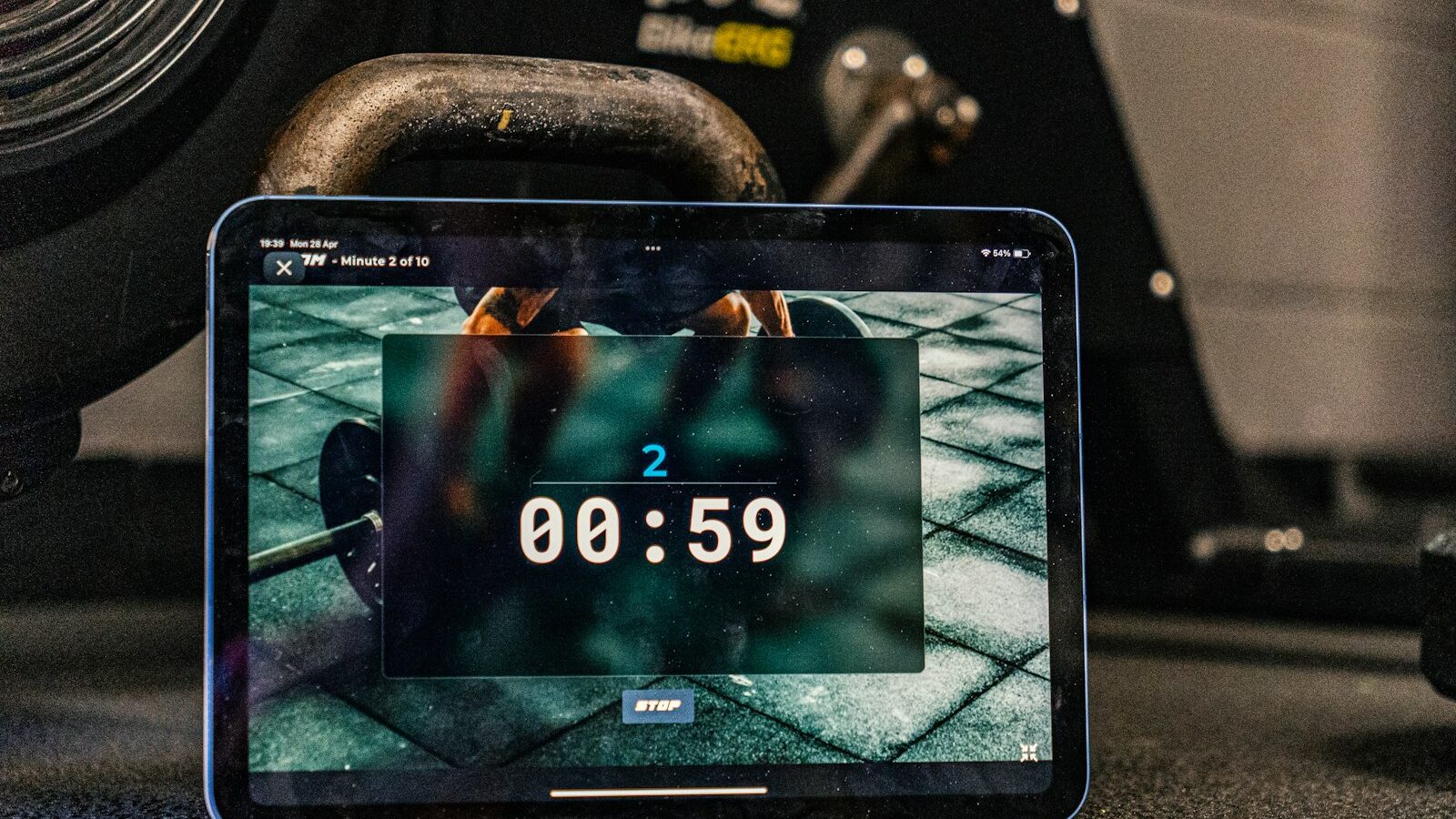
If you want more strength and better control from the same exercises you already do, tempo training singapore lifters can adopt without any new equipment is one of the most effective tweaks available. Tempo training simply means controlling the speed of each phase of a lift instead of moving as fast as you can. Eccentric training is a close cousin, where you focus on the lowering phase, when the muscle lengthens under load. Together they build muscle, protect joints and improve your technique. This is general fitness information and not medical advice, so if you have an injury or a health condition, please check with a doctor before you begin.
Understanding the Three Phases of a Lift
Every rep has three parts. The eccentric phase is the lowering, such as sinking into a squat or lowering the bar to your chest in a bench press. The concentric phase is the lifting, when you stand back up or press the bar away. The isometric phase is the brief pause between the two. Most people rush all three. Tempo training asks you to slow down deliberately, usually the lowering phase, so the muscle spends more time working under tension.
Coaches often write tempo as four numbers, for example 3-1-1-0. The first number is the seconds spent lowering, the second is the pause at the bottom, the third is the seconds spent lifting, and the fourth is the pause at the top. A 3-1-1-0 squat means you lower for three seconds, pause for one, stand up over one second, and move straight into the next rep. You do not need to memorise every code. Just knowing that a slow, controlled lower is the goal will take you most of the way.
Why the Lowering Phase Matters
Muscles are strongest when lengthening under load, which is why the eccentric phase is such a powerful training tool. Slowing the lower does several useful things. It increases the time your muscles work, which drives growth. It improves control, so you stop dropping into the bottom of a squat or letting weights crash down. It also teaches your joints and tendons to handle load through a full range, which can make your training more robust over time.
Because the eccentric is where most muscle soreness comes from, start gently. If you have never trained this way, expect to feel it a day or two later. Reduce the weight you would normally use, keep the range clean, and add tempo to only one or two exercises at first.
A Simple Tempo Plan
You can apply tempo to almost any exercise, from bodyweight squats to dumbbell rows. The table below shows a beginner friendly week using common movements. Use a weight that lets you keep the tempo honest for every rep.
| Exercise | Suggested tempo | Sets and reps | Focus point |
|---|---|---|---|
| Goblet squat | 3-1-1-0 | 3 x 8 | Slow, controlled lower |
| Dumbbell Romanian deadlift | 4-0-1-0 | 3 x 8 | Feel the hamstrings lengthen |
| Push up or bench press | 3-1-1-0 | 3 x 8 | Lower with control, no bounce |
| Split squat | 3-0-1-0 | 3 x 8 each leg | Stay tall, steady descent |
| Seated or bent over row | 2-1-2-0 | 3 x 10 | Slow both ways |
Rest for about ninety seconds between sets. Train two or three times a week and leave a rest day between hard sessions, especially in the early weeks when soreness is likely.
Counting Tempo Without a Timer
You do not need a stopwatch. Counting steadily in your head works well, though most people count too quickly under load, so count a little slower than feels natural. If you train with a friend or a coach, one of you can count aloud. Some lifters use the second hand of a wall clock for the first few sessions to calibrate their sense of pace. Once you have felt a true three second lower a few times, your internal clock becomes reliable.
Keep breathing throughout. As with any strength work, avoid holding your breath through a hard effort, since that can raise your blood pressure. A simple rule is to breathe in as you lower and breathe out as you lift.
Staying Safe and Making Progress
Tempo work is demanding, so form comes first. Choose a weight you could lift for a few more reps if you had to, because the slow pace makes everything feel heavier. Stop a set if your speed collapses or your posture breaks, since a rushed final rep undoes the benefit. Warm up properly with a few lighter sets before your working sets, and cool down with easy stretching afterwards.
Progress by adding a little weight only once you can hold the full tempo for every rep in every set. You can also progress by adding a second or two to the lowering phase, or by adding one more set. Small, steady increases beat big jumps that wreck your technique.
Where to Train in Singapore
You can do all of this at home with a pair of dumbbells or even just your bodyweight. If you prefer proper equipment, ActiveSG gyms across the island are affordable and well stocked, and many community club fitness programmes offer coached sessions where an instructor can watch your tempo and correct it. Learning good technique from a qualified coach early on is the fastest way to make tempo training pay off. Because the climate is warm, keep hydrated, train in a ventilated space and give yourself a little longer to warm up on cooler mornings.
Bringing It Together
Tempo and eccentric training turn ordinary exercises into far more effective ones by changing how you move rather than what you lift. Slow the lower, control the whole rep, keep breathing, and be patient with the soreness in the first couple of weeks. Add tempo to one or two lifts, master the pace, then expand from there. Within a month or two you should notice cleaner technique, steadier strength and far better control, all of which make the rest of your training safer and more rewarding.
Explore more
Strength Training for Beginners
Core and Ab Training That Works
Warming Up and Cooling Down Properly
Stretching and Mobility for Fitness