
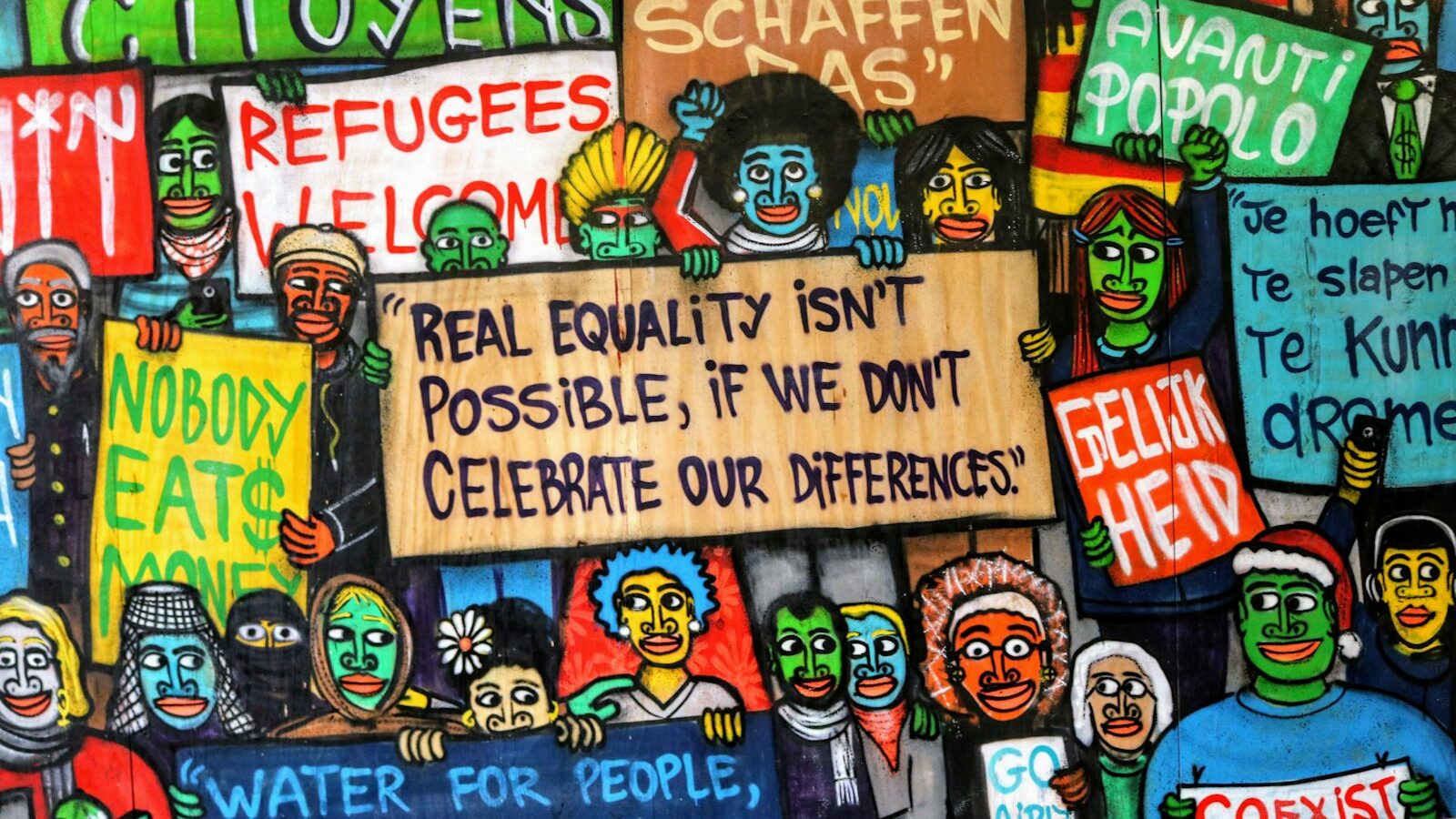
The Ethnic Integration Policy in Singapore, usually shortened to EIP, is a set of rules that keeps public housing estates racially mixed. Because more than three quarters of residents live in HDB flats, where and how people from different communities live side by side has a real effect on how the whole society holds together. The EIP is one of the most direct tools the government uses to prevent racial enclaves from forming. This guide explains the concept behind the policy, how it works in practice, and how it can affect you when buying or selling an HDB flat, without quoting the exact quota figures that are set and updated by HDB.
Why the Policy Exists
Before the policy was introduced, there was a natural tendency for people of the same ethnic group to cluster together in the same neighbourhoods. Left unchecked, this can harden into segregation, where different communities rarely mix, attend different schools, and grow up with little everyday contact across ethnic lines. Singapore’s leaders viewed that outcome as a long-term risk to social cohesion in a young, multiracial nation.
The EIP was created to counter that drift. The idea is simple: if each block and each neighbourhood reflects a balance of Singapore’s main ethnic groups, then daily life naturally brings people together. Children of different races play in the same void decks, neighbours share the same corridors and lifts, and the ordinary business of living becomes multiracial by default rather than by chance.
This is a deliberately structural approach. Rather than relying only on education campaigns or goodwill, the policy builds racial mixing into the housing system itself, so that integration is a feature of where people actually live.
How the Ethnic Quotas Work
At its heart, the EIP sets limits on the proportion of flats in each block and each neighbourhood that can be owned by households from a given ethnic group. HDB classifies buyers into broad ethnic categories, and each block and neighbourhood has a cap for each group.
The mechanism works like this. As flats are bought and sold, HDB tracks the ethnic make-up of every block and neighbourhood against the set limits. When the proportion for a particular ethnic group has already reached its cap in a block, no more flats there can be sold to buyers from that same group until the balance changes. In effect, the policy gently steers buyers so that no single community becomes overly concentrated in one place.
A few points help make sense of it:
- The limits apply at two levels: the individual block and the wider neighbourhood.
- The caps are checked at the point of sale, so both the buyer’s ethnicity and the seller’s matter.
- The aim is a rough reflection of the national ethnic balance in each estate, not a rigid identical split everywhere.
Because the exact quota percentages are set by HDB and can be revised, this guide describes how the system operates rather than the specific numbers. Always confirm the current caps directly with HDB.
How It Affects Buying and Selling
For most buyers, the EIP works quietly in the background. When you look at a flat, HDB’s system will indicate whether that block and neighbourhood can still accept a buyer of your ethnic group. If the relevant cap has been reached, that particular flat is not open to you, and you would look elsewhere.
For sellers, the policy can narrow the pool of eligible buyers in certain situations. If your block has reached the limit for a given ethnic group, you may not be able to sell to a buyer from that group even if they offer the best price. This can affect how quickly a flat sells and, in some cases, the price a seller can command. It is worth understanding this before listing, so there are no surprises during the transaction.
The table below sets out, in broad terms, how the policy plays out for different people in the housing market.
| Situation | What the EIP means | Practical effect |
|---|---|---|
| Buying a resale flat | Your ethnic group must be within the block and neighbourhood cap | Some flats may be unavailable to you |
| Selling a resale flat | Buyers must keep the block within the caps | Your buyer pool can be narrower in some blocks |
| Buying a new BTO flat | Quotas are applied during the flat selection process | Availability depends on the balance for your group |
| Certain buyer groups | Some non-citizen or specific cases have their own rules | Confirm your exact status with HDB |
The key takeaway is that the policy shapes the pool of who can buy from whom, so both buyers and sellers benefit from checking a block’s status early.
Balancing Fairness and Cohesion
No policy that touches property is without trade-offs, and the EIP is openly discussed in Singapore. Supporters argue it has been remarkably effective at preventing the racial enclaves seen in some other countries, and that everyday integration is worth protecting. Critics point out that it can, in specific situations, limit a seller’s buyer pool or a buyer’s choices, which may have financial consequences for individual households.
The government’s position has been that a degree of individual inconvenience is a fair price for a society where communities genuinely live together rather than apart. Over the years the rules have been refined, and there have been measures aimed at helping owners who are affected in particular circumstances. The broad intent, keeping estates mixed so that racial harmony is built into daily life, has remained constant.
For newcomers to Singapore, the EIP is a useful window into how the country thinks about diversity. Rather than leaving integration to chance, it is engineered into one of the most fundamental parts of life, where you live.
Checking the Current Rules
Because the specific ethnic quota figures, buyer categories, and any relief measures are set and updated by HDB, this article explains the concept and intent rather than exact percentages. Before you commit to buying or selling, check the current EIP limits and how they apply to your block using HDB’s official resources, including the tools that show a flat’s eligibility for your ethnic group.
This guide is general information to help you understand how the Ethnic Integration Policy works. Rules and figures change over time, so verify the current details with HDB before making any housing decision. For advice on your specific situation, speak to HDB or a qualified property professional.
Explore more
The EIP is one piece of a larger housing framework, so it helps to read our overview of HDB housing policy in Singapore and the housing grants available to buyers. To understand the wider goal behind the policy, our guide to racial and religious harmony in Singapore shows why integration is treated as national priority.