
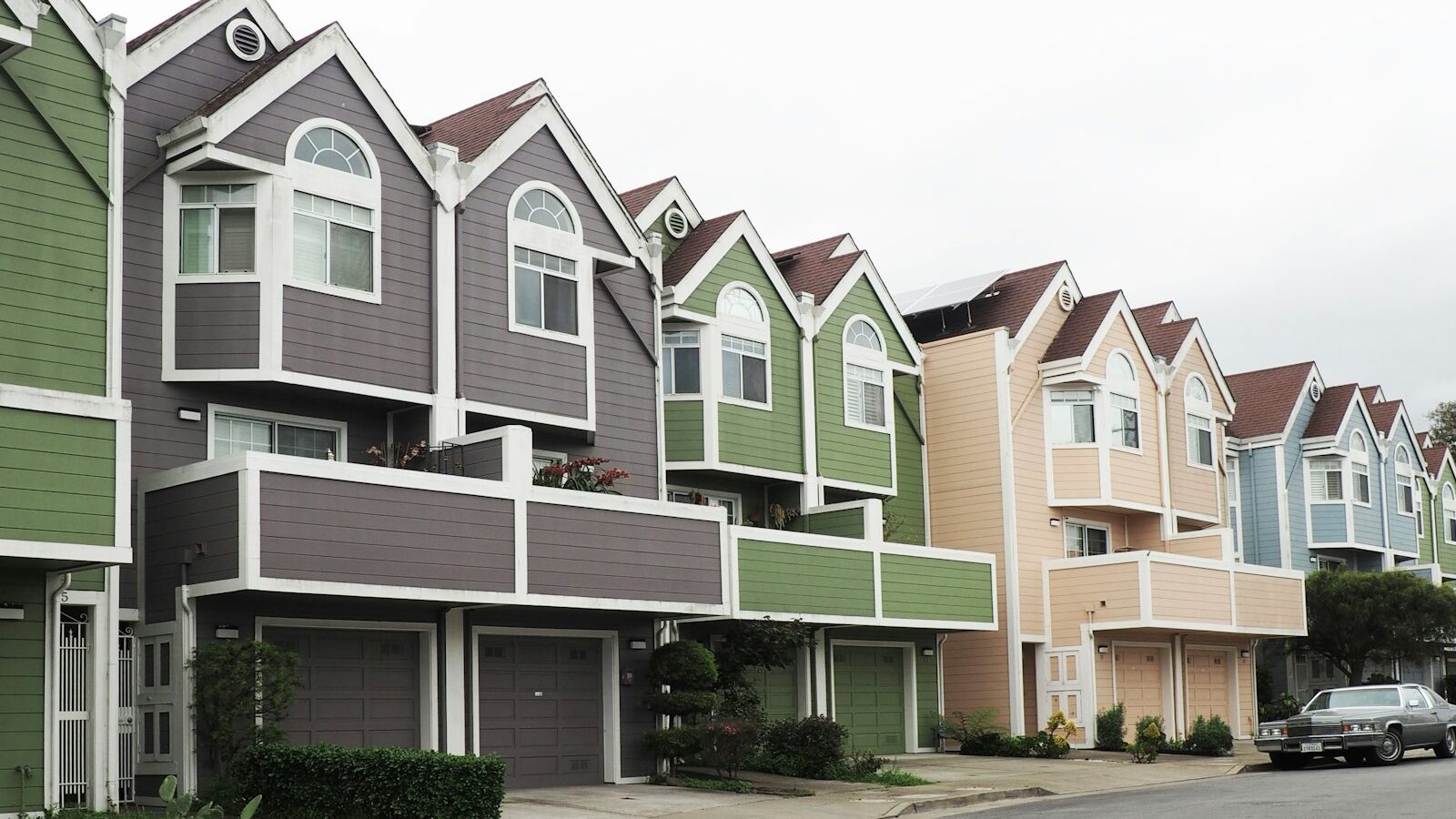
Public housing is a cornerstone of Singapore society, with the vast majority of residents living in HDB flats. This explainer covers what HDB is, how public housing works, key policies and their goals, and why it matters. For authoritative details, always refer to HDB and official sources.
What is HDB?
HDB refers to the Housing and Development Board, the statutory board responsible for Singapore’s public housing. Since its establishment, HDB has played a central role in providing affordable, quality housing for the population, and today the vast majority of Singapore residents live in HDB flats. Public housing in Singapore is notable for its scale, quality and emphasis on home ownership, and it is regarded as a key achievement of national policy. HDB is responsible for planning, developing and managing public housing estates, which are designed as complete towns with amenities, transport and community facilities. Understanding what HDB is and its role illuminates a defining feature of Singapore society and one of the most important aspects of life for most residents, from housing to community and daily living.
How public housing works
| Aspect | How it works |
|---|---|
| Buying a flat | Various schemes for eligible buyers |
| Home ownership | Emphasis on owning rather than renting |
| Estates and towns | Planned towns with amenities |
| Regulation | Rules and eligibility criteria apply |
Public housing in Singapore is centred on home ownership, with most residents owning their HDB flats. Eligible buyers can purchase flats through various schemes, including new flats and resale flats, subject to eligibility criteria and rules. HDB flats are located in planned estates and towns designed as self-contained communities with amenities, transport, schools and facilities. Various policies, schemes, grants and rules govern the buying, selling and ownership of flats, aimed at making housing affordable and accessible while achieving policy goals. The system emphasises stable, quality, affordable home ownership for the broad population. Understanding how public housing works, from buying a flat to living in a planned estate, illuminates the practical reality of housing for most residents and the policies that shape it. For specific eligibility and scheme details, refer to HDB.
Key policies and their goals
HDB policies are designed to achieve important national goals, including affordable, accessible home ownership for the broad population, quality living environments, and social objectives. Policies aim to keep housing affordable and support home ownership, including through various grants and schemes for eligible buyers. Other policies pursue goals such as promoting social integration and community cohesion within estates, ensuring quality and well-planned living environments, and managing the housing market sustainably. Eligibility criteria and rules help target support and achieve policy aims. These policies reflect the importance placed on housing as a foundation of social stability, home ownership and quality of life. Understanding the goals behind HDB policies illuminates why the public housing system is structured as it is and the national priorities it serves, from affordability to community and stability.
Living in an HDB estate
Living in an HDB estate is the reality for most Singapore residents, and the estates are designed to offer convenient, complete living environments. HDB towns typically feature amenities such as shops, markets and hawker centres, transport connections, schools, parks and community facilities, designed to meet residents’ daily needs. Estates are also planned to foster community and integration among residents. Life in an HDB estate combines the practicality of well-planned amenities and connectivity with a sense of community and neighbourhood. For most residents, the HDB flat and estate are central to daily life, from home and family to community and convenience. Understanding what living in an HDB estate involves illuminates the everyday reality of housing and community for the majority of Singaporeans, shaped by decades of public housing policy and planning.
Why it matters
HDB and public housing policy matter enormously because they shape where and how most Singapore residents live, and because housing is a foundation of financial security, family life, community and social stability. The system’s emphasis on affordable home ownership has been important to national development and to the wellbeing and stake of citizens in the nation. Housing policies affect affordability, home ownership, community and quality of life, making them highly relevant to residents. Public housing is also a significant aspect of national policy and identity. For individuals, understanding HDB and housing policy is important given the central role of housing in life and finances. For the nation, public housing is a key pillar of society. Understanding this policy area fosters awareness of a defining and important feature of life in Singapore.
The takeaway
Public housing is a cornerstone of Singapore society, with the vast majority of residents living in HDB flats provided through the Housing and Development Board. The system emphasises affordable, quality home ownership, with flats bought through various schemes and located in planned estates designed as complete towns. HDB policies pursue important goals of affordability, home ownership, quality living environments and social integration, reflecting the central role of housing in national development and social stability. Understanding HDB and public housing policy illuminates a defining feature of life for most Singaporeans and a key pillar of the nation. For authoritative, current details on schemes, eligibility and policies, always refer to HDB and official sources.
Financing your flat: CPF, loans and grants
For most buyers, the biggest practical question is not which flat to choose but how to pay for it. Singaporeans typically fund an HDB purchase through a combination of CPF savings, a housing loan and, where eligible, government grants. Your CPF Ordinary Account can be used for the downpayment and monthly instalments, subject to withdrawal limits, while the loan itself may come from HDB or from a bank, each with different interest structures and conditions. Grants can meaningfully lower the price for eligible first-timer households, but the amounts and criteria depend on factors such as income and whether you are buying a new or resale flat.
- CPF usage: Understand how much of your Ordinary Account can go towards the flat and what must be set aside, as this affects your cash outlay and retirement savings.
- Loan choice: An HDB loan and a bank loan work differently on eligibility, downpayment and interest, so compare them against your own finances rather than assuming one is always cheaper.
- Grants and eligibility: Available grants change over time and are tied to income ceilings and household type, so confirm what you qualify for before committing.
Because rates, ceilings and grant schemes are periodically updated, always check the current figures with HDB and the CPF Board before making decisions, and consider getting an in-principle assessment of what you can borrow early in the process.
Common pitfalls to avoid
Many housing headaches come not from the policies themselves but from overlooking details buyers assume they understand. A frequent misstep is treating a flat purely as a home while forgetting the rules that come attached to it, such as the Minimum Occupation Period that must be met before you can sell or, in some cases, rent out the flat. Another is stretching finances to the limit without allowing a buffer for renovation, legal fees, stamp duty and monthly instalments that continue for years.
Couples applying under schemes tied to marriage should also understand what happens to eligibility and timelines if plans change, and buyers of resale flats should factor in the remaining lease, since a shorter lease can affect both financing and long-term value. Eligibility conditions, occupation rules and resale restrictions are exactly the areas where assumptions cause the most regret, so verify the specifics for your situation with HDB rather than relying on word of mouth or older accounts from friends and family.
Explore more: Buying an HDB resale flat · Buying a BTO flat in Singapore · The Singapore Budget, explained