
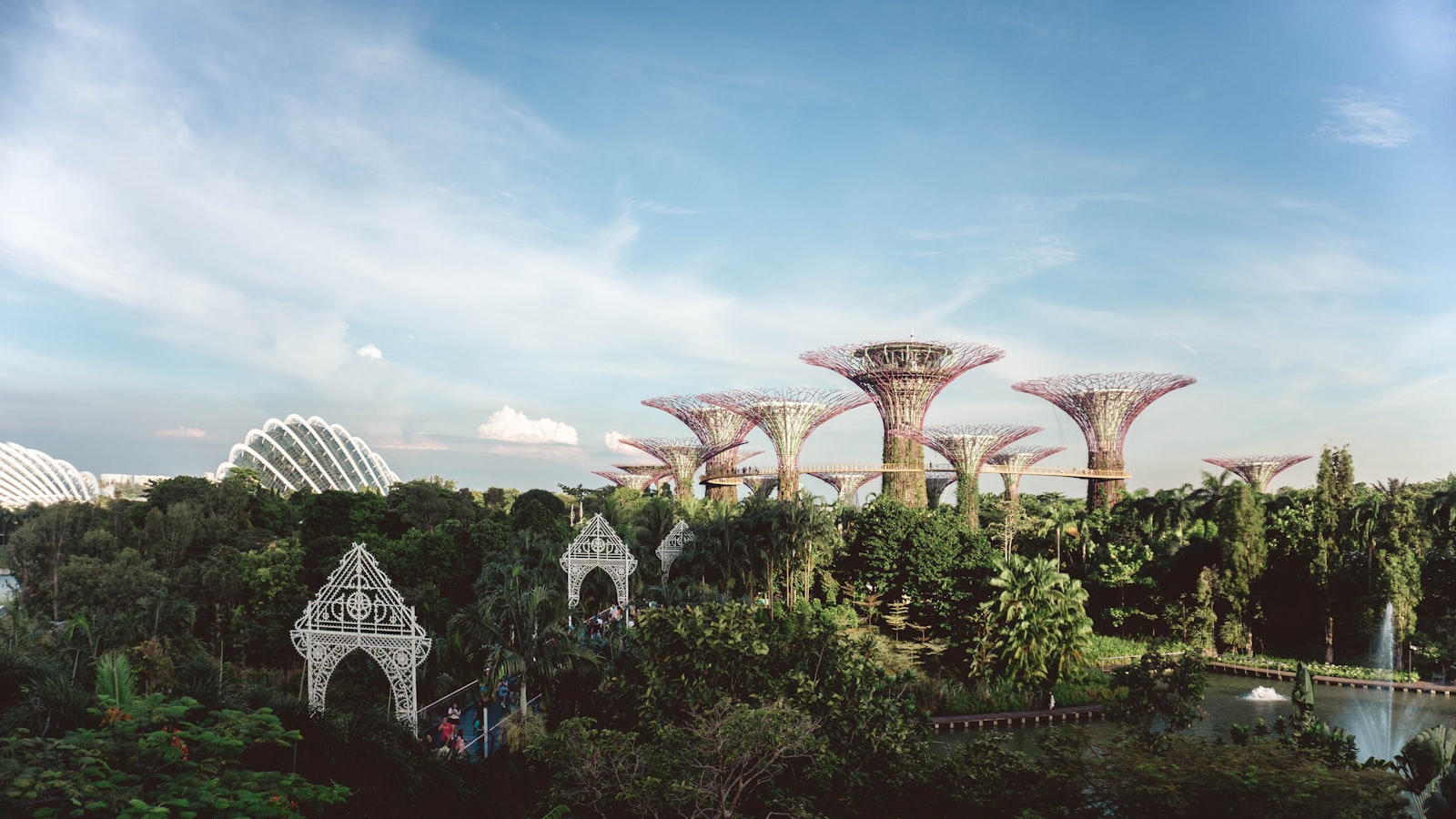
If you have recently arrived from a large mainland city, one of the nicest surprises here is how much green sits inside a small island, and getting to know parks and nature as a newcomer in Singapore is one of the cheapest, most calming ways to settle in. Singapore calls itself a “City in Nature”, and it means it: manicured gardens, wild-feeling rainforest, coastal boardwalks, and long park connectors all sit a short train ride from home. This guide walks you through what is out there, what costs money and what does not, how to handle the heat, and the simple etiquette that keeps everyone safe and welcome. Think of it as a friendly map for your first weekends outdoors.
The Headline Gardens Worth Seeing First
Two places anchor most newcomers’ first outings. The Singapore Botanic Gardens is a UNESCO World Heritage Site, free to enter, and open from early morning to late evening. You can wander the lawns, the rainforest trail, and the swan lake without paying a cent; only the National Orchid Garden inside charges an admission fee. It is a gentle introduction, more like a vast public park than a ticketed attraction.
Gardens by the Bay is the other icon, the futuristic waterfront park with the giant Supertrees near Marina Bay. The outdoor gardens and the nightly light show are free to enjoy, while the two climate-controlled conservatories, the Flower Dome and Cloud Forest, and the elevated OCBC Skyway charge tickets. So you can spend a whole evening there for nothing, then decide another day whether the paid domes are worth it. For a family with children, this pairing of free outdoor space plus optional paid attractions makes budgeting easy.
Beyond these two, neighbourhood favourites like East Coast Park, West Coast Park, and Bishan-Ang Mo Kio Park give you the everyday version: barbecue pits, cycling paths, playgrounds, and hawker food nearby, all free.
Park Connectors, Reserves and Reservoirs
Here is the feature that quietly changes how you see the island. The Park Connector Network (PCN) is a web of green paths, managed by the National Parks Board (NParks), that links parks, estates, and coastlines so you can walk, jog, or cycle for long stretches without fighting traffic. Loops like the Eastern Coastal route let you ride for hours. If you cycled or walked riverside paths back home, the PCN will feel familiar, only greener and better signposted.
For something wilder, Singapore has genuine nature reserves. Bukit Timah Nature Reserve protects one of the region’s last patches of primary rainforest and has real hills and forest trails. The Central Catchment area, including the famous TreeTop Walk suspension bridge, and Sungei Buloh Wetland Reserve, where you may spot migratory birds and even monitor lizards, are protected habitats rather than manicured parks. Treat these with more care: stay on marked trails, keep noise down, and never feed the wildlife.
The reservoirs double as recreation spots. MacRitchie Reservoir, with its boardwalks and long forest loops, is a local classic for a morning walk. Many reservoirs allow kayaking or offer calm water views, a restful contrast to the city.
Coast, Islands and a Breath of Sea Air
Singapore’s nature is not only inland. The southern islands and coastal parks give you sand and sea without leaving the country. Pulau Ubin, a short bumboat ride from Changi Point, is a rustic island that feels like the Singapore of decades past, with the Chek Jawa wetlands, village trails, and bicycles for hire. St John’s and Lazarus islands, reached by ferry from Marina South Pier, offer quiet beaches and lagoon swimming.
Closer in, Labrador Nature Reserve blends a coastal walk with historic wartime relics, and the Southern Ridges connect Mount Faber to Kent Ridge through the well-known Henderson Waves bridge. These outings pair a bit of exercise with real views, ideal for a weekend when you want more than a neighbourhood stroll.
Handling the Heat, and When to Go
The single biggest adjustment for a newcomer is the tropical climate. It is hot and humid year round, and the midday sun is strong. The comfortable windows are early morning, roughly before 10am, and late afternoon into the evening. Many locals do exactly this, which is why parks fill up at dawn and again around sunset.
A few habits make every outing better:
- Carry a refillable water bottle; many parks have water coolers, and staying hydrated matters more than you expect here.
- Wear light, breathable clothing, a hat, and sunscreen, and bring a small umbrella that works for both sun and the sudden tropical downpour.
- Check the weather and the haze forecast before long walks; brief afternoon thunderstorms are common, so plan shelter.
- Watch for lightning risk on open ground and near water; move under proper shelter when storms approach.
Take it easy on your first few outings while your body adjusts to the humidity. There is no prize for pushing through the midday heat.
Free Versus Paid: Planning by Budget
Most of Singapore’s nature is free, which is wonderful news for a newcomer watching every dollar in the first months. The table below sorts the main types of spot so you can plan by what you get and pick outings that suit your energy and wallet.
| Nature spot type | What you get / cost | Newcomer tip |
|---|---|---|
| Major gardens (Botanic Gardens, Gardens by the Bay outdoors) | Iconic, well-kept, mostly free; some indoor attractions ticketed | Do the free parts first; pay for domes or orchids only if keen |
| Neighbourhood and coastal parks (East Coast, Bishan-AMK) | Free; playgrounds, barbecue pits, cycling, food nearby | Great low-effort family day; rent bikes on the spot |
| Park Connector Network | Free green routes linking parks and coasts | Start with a short loop, build up distance as you adjust to heat |
| Nature reserves (Bukit Timah, MacRitchie, Sungei Buloh) | Free; wilder rainforest and wetland trails | Stay on trails, do not feed animals, go early to beat the heat |
| Islands (Pulau Ubin, St John’s, Lazarus) | Free entry; small ferry or bumboat fare | Bring cash for the boat, water, and snacks; few shops on-island |
The pattern is clear: you can enjoy world-class nature here on almost no budget, saving paid attractions for the occasional treat.
Etiquette, Safety and the Apps That Help
A little courtesy goes a long way in shared green spaces. Keep to the left on park connectors so faster cyclists can pass, dispose of litter properly, and keep music low or use earphones. Do not pick plants, feed wildlife, or wander off marked trails in reserves; monkeys near MacRitchie and Bukit Timah can grab food, so keep snacks hidden and never tease them. If you bring a dog, keep it leashed where required. These are the same common-sense manners locals follow, and following them helps a newcomer feel at home quickly.
For planning, NParks runs helpful free apps and websites. The NParksSG app maps parks, trails, and facilities, while resources like the DengueMap and the national weather and haze forecasts help you pick a safe day. Bookmark the NParks website for the latest on any trail closures, guided walks, and free community activities, because access and rules do change and the official source is the one to trust.
Settling into a new country is partly practical and partly about feeling grounded. A quiet morning among the trees, costing nothing, is one of the easiest ways to start feeling that Singapore is home.
Explore more
Green outings pair naturally with the rest of your weekends. See weekend ideas for newcomer families in Singapore for more low-cost family days, and when you want a change of scene, day trips to Johor Bahru for newcomers shows how to cross the border for the day.