
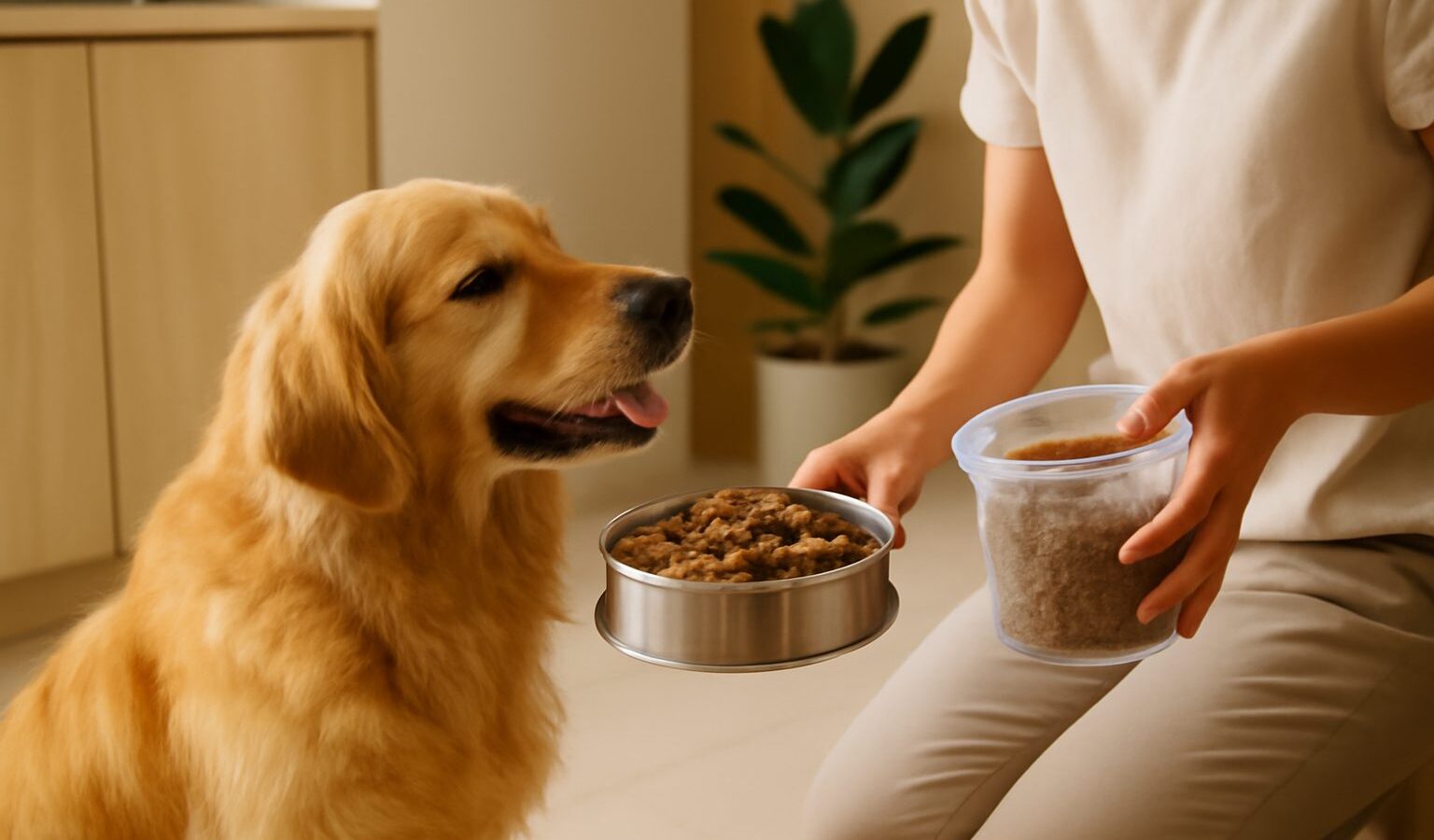
What goes in the bowl shapes your dog’s energy, weight and comfort for years. Feeding your dog in Singapore is not complicated once you know what to look for: a complete and balanced diet, portions that suit your dog’s size and life stage, and steady access to fresh water in our heat. This guide covers the basics in plain terms so you can make confident everyday choices. It is general information, not veterinary advice. Every dog is different, and any diet change, weight plan or concern about your dog’s health should go through a licensed vet who knows your animal.
Start With Complete And Balanced Food
The single most useful idea in dog feeding is “complete and balanced.” A complete and balanced food is formulated to provide the nutrients a dog needs from that food alone, so you are not left trying to piece together nutrition by guesswork. Reputable dog foods are made for specific life stages, so a growing puppy, an adult and a senior have different formulas because their needs differ.
Home-cooked meals or single ingredients, fed as the whole diet, can leave gaps that are hard to see day to day but add up over time. If you want to cook for your dog or explore a particular way of feeding, that is a conversation to have with your vet so the diet is properly balanced for your specific dog rather than assembled from advice online.
How Much To Feed, By Size And Age
Portion size depends on your dog’s weight, age, activity level and the specific food, since foods vary in how concentrated they are. The feeding guide on the packaging is a starting point, not a fixed rule, and many dogs need a little less than the maximum suggested, especially if they are calmer or less active.
- Puppies grow fast and are usually fed smaller meals more often through the day.
- Adults typically settle into a steady routine of one or two measured meals.
- Seniors often need adjustments as their activity and metabolism change.
Measure meals with a proper cup or scale rather than eyeballing, and count treats and table scraps as part of the day’s total. Two people topping up the same bowl is a common way dogs quietly gain weight. If you are unsure what your individual dog should weigh or eat, your vet can advise based on body condition rather than a number on a bag.
Dry, Wet, Fresh Or Raw
There is no single best format, and each has trade-offs. The table below compares the common types in general terms to help you weigh them up. Whatever you choose, look for a complete and balanced product, and remember that switching foods is best done gradually and, ideally, discussed with your vet, especially for raw or fresh diets where safe handling and balance matter.
| Food type | General considerations |
|---|---|
| Dry (kibble) | Convenient, easy to store and measure in our humidity, long shelf life; some dogs need encouragement to drink enough water alongside |
| Wet (canned) | High moisture, often palatable for fussy or older dogs; opened portions spoil faster in the heat and cost more per meal |
| Fresh / gently cooked | Can be appealing and digestible; needs proper storage and should be complete and balanced, not just home leftovers |
| Raw | Some owners prefer it; requires careful hygiene and balancing, and is best planned with veterinary input given handling and safety concerns |
Transition to any new food over several days, mixing more of the new in gradually, so you avoid an upset stomach and can watch how your dog responds.
Reading The Label
Labels tell you more than the pictures on the front. Look for a statement that the food is complete and balanced and which life stage it is for. Check that a named protein appears clearly in the ingredients, and read the feeding guide for portion starting points. Marketing words on the front of the bag are not a substitute for the actual formulation details.
If your dog has specific needs, allergies or a health condition, do not try to interpret labels alone or self-prescribe a special diet. Bring the label or product to your vet, who can tell you whether it fits your dog. This guide cannot recommend a brand or amount for your individual dog, and any figures on packaging are the manufacturer’s starting points, not a prescription.
Treats, And Foods That Are Dangerous
Treats are useful for training and bonding, but they add up. A common guideline is to keep treats to a small share of daily intake and to reduce meals slightly on days with lots of training rewards, so treats do not tip your dog into weight gain.
Some everyday human foods are genuinely dangerous to dogs and should never be given:
- Chocolate
- Grapes and raisins
- Onion and garlic
- Xylitol, a sweetener found in some sugar-free gum, sweets and baked goods
- Anything very fatty, plus alcohol and caffeine
Keep these out of reach, and let everyone in the household know. If you suspect your dog has eaten something toxic, treat it as urgent and contact a vet straight away rather than waiting to see what happens. Signs that need prompt veterinary attention include vomiting, unusual weakness, tremors, or a sudden change in behaviour. When in doubt, call your vet.
Water And Weight In The Heat
Fresh, clean water is not optional, and it matters even more in Singapore’s climate. Dogs cool themselves largely by panting, so a warm, humid day increases how much they need to drink. Keep clean water available at all times, refresh it often, offer water on walks, and watch that your dog is drinking normally. Heavy panting, drooling, lethargy or distress in the heat are red flags that need urgent veterinary attention.
Weight management is one of the kindest things you can do for a dog’s long-term comfort. Carrying extra weight strains joints and makes the heat harder to bear. Rather than fixating on the scale, learn to check body condition: you should be able to feel the ribs easily and see a waist. If your dog is gaining or losing weight, or you are planning a diet change, work with your vet to do it safely. Steady portions, measured treats and daily movement do most of the work.
Explore More
Getting the food right is half the battle, and choosing well makes daily feeding simpler. For help comparing what is on the shelves, see our guide to choosing pet food in Singapore. Feed a complete and balanced diet, keep water flowing in the heat, and let your vet guide any changes for your individual dog.