
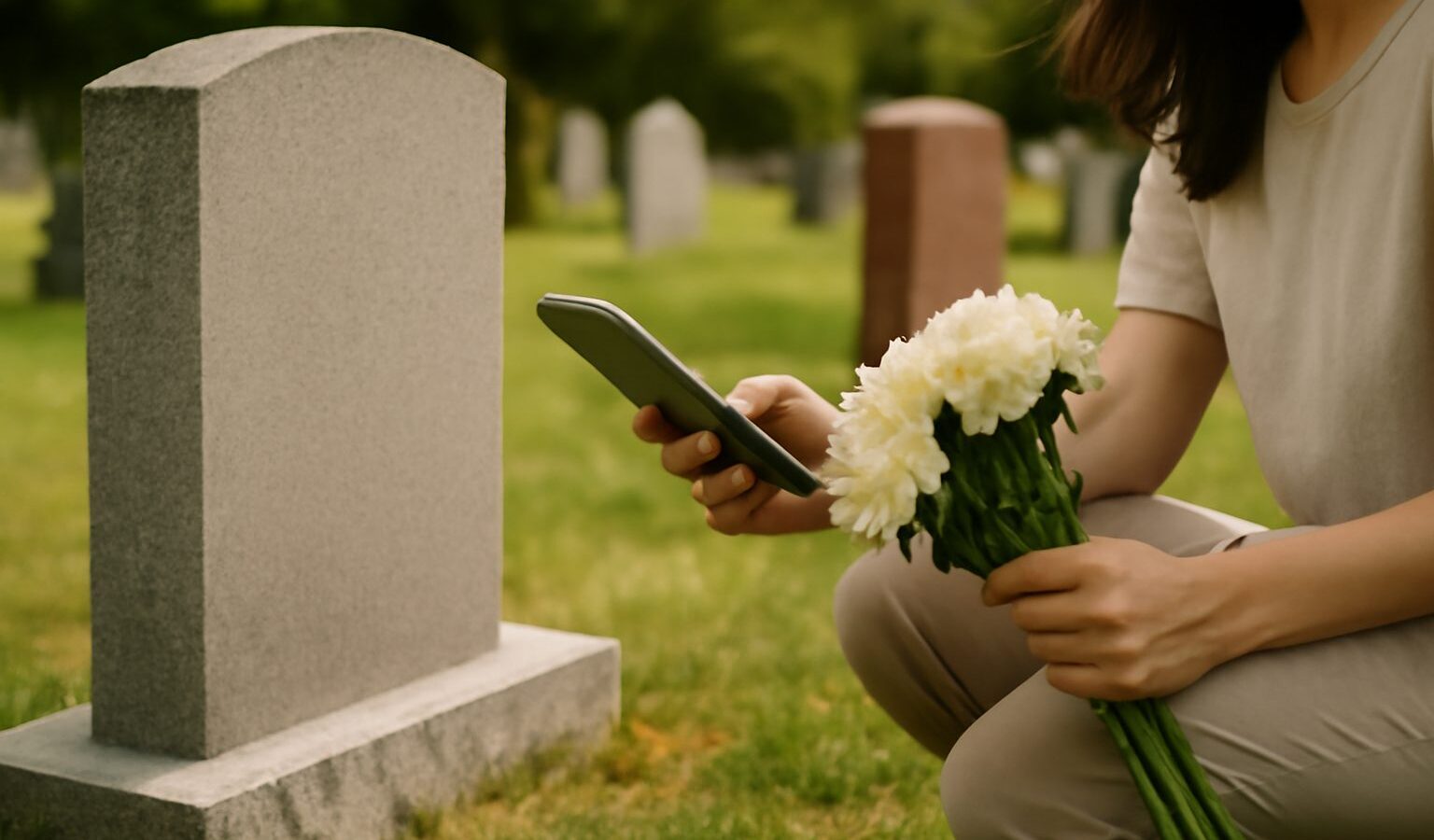
If you need to find grave location in Singapore records for a grandparent or great-aunt, you are not alone. Each year before Qing Ming, families discover that the one relative who always knew the way has passed on, moved overseas or simply cannot remember the block number any more. The good news is that most burials and niche placements in Singapore are recorded somewhere. This guide walks through how to work out where a relative is interred, step by step, before you plan a visit or a clean-up.

Start With What the Family Already Knows
The fastest leads are usually at home. Before contacting any office, gather as much as you can:
- The person’s full name as it appeared on official documents, including any dialect spelling, Chinese characters, or other names they were known by.
- NRIC or birth certificate details, if you have them.
- Date of death, even if only the year or approximate decade.
- Death certificate. This is often the single most useful document, as it confirms the exact name and date that records will be filed under.
- Funeral paperwork. Receipts from the funeral director, cremation or burial documents, and any niche or plot purchase papers often state the facility and location directly.
- Old photographs taken at the grave or niche. A photo of the tombstone or niche plate may show a plot number, a block or the style of the site.
- Memories from older relatives, such as “it was near the main road” or “we always took the lift to the top floor”. These help narrow things down later.
Write everything in one shared note so the whole family can add to it.
Work Out the Type of Facility First
Where you search depends on what happened after the death. In Singapore, remains are usually cremated or buried, and ashes may be placed in a columbarium niche, kept at home, or scattered. Knowing which applies tells you who holds the record.
| If the family recalls | Likely facility | Where to ask first |
|---|---|---|
| A burial in recent decades | Choa Chu Kang Cemetery Complex | National Environment Agency (NEA) |
| A niche at a government columbarium | Government columbarium managed by NEA | NEA’s after-death facilities services |
| A niche at a temple, church or clan building | Private or religious columbarium | That temple, church or association’s office |
| A burial at an older cemetery that later closed | Exhumed or former cemetery | NEA, then family history sources |
NEA manages the government columbaria and Choa Chu Kang Cemetery, the main cemetery still in use for burials. Many temples, churches, clan associations and private operators run their own columbaria, and each keeps its own register.
Searching Government Cemetery and Columbarium Records
For government facilities, start on NEA’s website. NEA offers online services related to burial and columbarium facilities, which may include a way to look up the location of a grave or niche using the deceased’s details. The exact service name, the details it asks for and whether it covers older records can change, so check the current options on NEA’s site.
If an online search does not turn up a result, contact NEA directly. Have ready:
- The deceased’s full name and any alternative spellings.
- NRIC number if available.
- Date or year of death.
- Your relationship to the deceased.
Records for older burials or niches may need a manual check, and the office may ask you to show you are next of kin or to explain why you are asking. This is normal, since records relate to private family matters.
Asking Private Columbaria and Religious Organisations
If your relative was placed in a temple, church, clan association or private columbarium, the record sits with that organisation. A few tips:
- Call or visit the management office during office hours rather than turning up on a busy Qing Ming weekend.
- Bring the death certificate and any purchase receipt. Private operators usually ask for proof of relationship before releasing details.
- Ask whether the niche was transferred. Some families move ashes between facilities, for example when an older columbarium is redeveloped or when the family consolidates several niches.
- Check clan and dialect associations. If you know your relative’s clan or hometown association, it may have its own columbarium or keep records of where members were interred.
If you are not sure which private site was used, ask relatives which temple or church the family attended, or which funeral director handled the funeral. Funeral directors sometimes still have records or can point you in the right direction.
When the Grave No Longer Exists
Many older cemeteries in Singapore have been cleared over the decades for housing, roads and other development. If your relative was buried in one of these, the original grave may have been exhumed. In that case the trail usually continues through exhumation and reinternment records rather than a grave plot.
That is a deeper family history task with its own steps, so it is worth treating separately. You can start with the general approach in our guide to genealogy and family history research and contact NEA, which handles exhumations from government cemeteries today.
Recording the Location So Nobody Has to Search Again
Once you find the grave or niche, make sure the information survives the next generation:
- Photograph the niche plate or tombstone and the signage around it, such as block and level numbers.
- Write down the exact location: facility name, block, level, row, niche or plot number.
- Store copies of the key documents, such as the niche certificate or burial permit, with the family’s important papers.
- Share it widely. Put it in a family chat, a shared cloud folder and a printed note kept with the ancestral tablet or photo album.
- Note renewal or lease details. Some burial plots and niches have a fixed tenure. If the paperwork mentions a term, note it and check with the operator what happens when it ends.
What to Do Before Your First Visit
With the location confirmed, you are ready to plan. On the first trip, give yourself extra time to find the spot, and bring the photographs and notes you collected. If it is a grave, it may need some attention after years without visits; our guide to cleaning and maintaining a family grave in Singapore covers what to bring and how to do it safely and respectfully.
A few final reminders:
- Records belong to the operators, and their rules on access and proof of relationship can change. Always check current requirements with NEA or the private operator.
- Be patient with older records. Spellings, dialect names and dates sometimes differ between documents, so try variations.
- Keep the search a family effort. Older relatives often recall details only when they see a photo or hear a place name, and the search itself can become a meaningful way to share stories about the person you are looking for.
Official sources: National Environment Agency (NEA)