
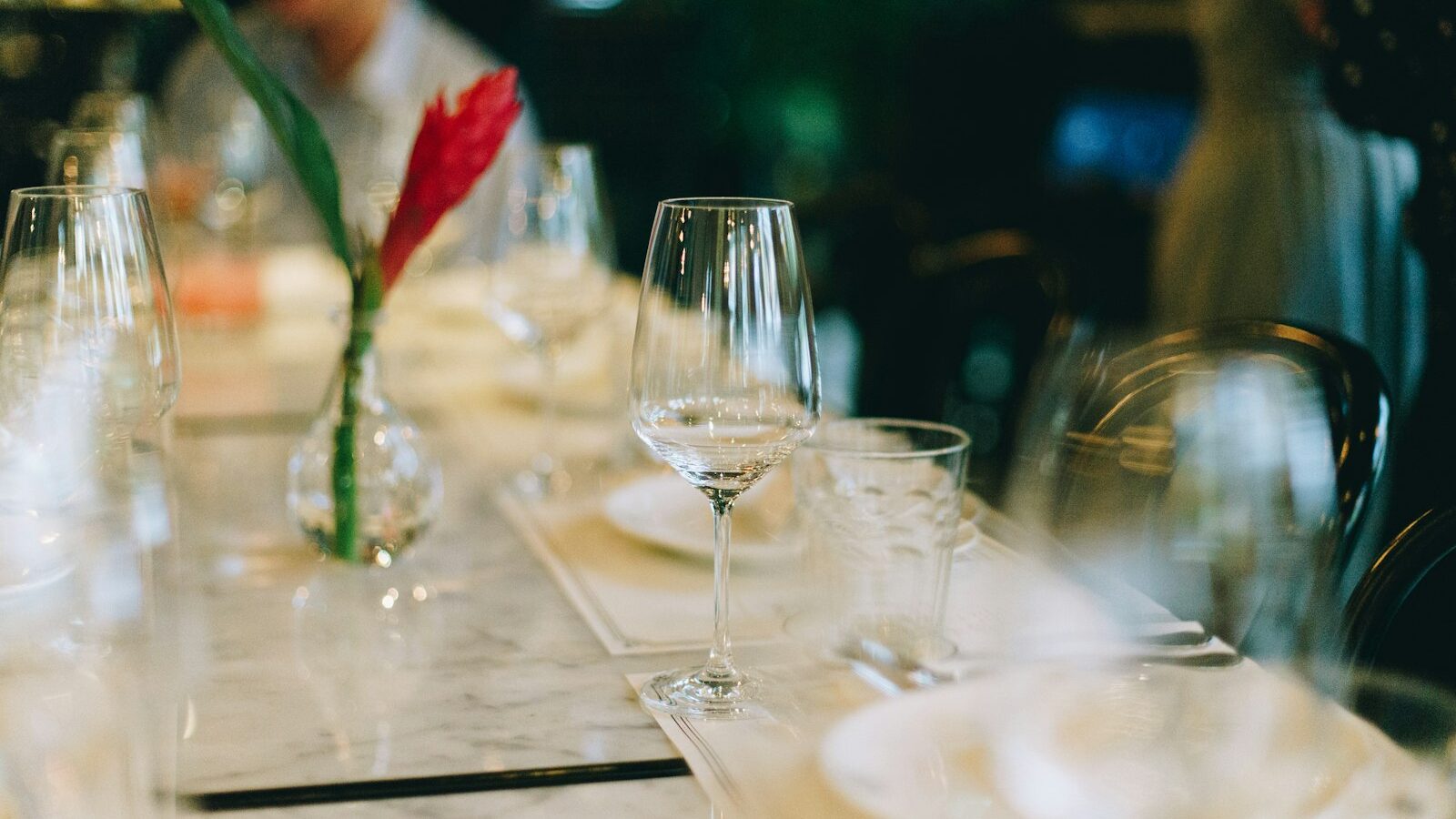
Your first proper fine-dining meal can feel like walking onto a stage where everyone else knows the script. Rows of cutlery, a wine list the length of a novel, and waiters who appear before you have even raised a hand. Take a breath, because none of it is a test. Fine dining etiquette in Singapore is really just a set of habits designed to make the evening flow, and once you know the basics you can relax and enjoy some of the best food this city offers.
Singapore is a wonderful place to try it. From hotel restaurants along Marina Bay to intimate rooms in shophouses around Chinatown and Tanjong Pagar, our fine-dining scene spans French, Japanese, modern Asian and local flavours reimagined. This guide covers what to wear, how to behave at the table and how to handle the bill, so your first visit feels like a treat rather than a trial.
Before You Go: Booking and Dress Code
Fine-dining restaurants almost always need a reservation, often days or weeks ahead for the popular ones. Book early, and mention any allergies, dietary needs or a special occasion when you do. If you eat only halal food, check for MUIS halal certification or confirm with the restaurant rather than assuming, since many higher-end kitchens are not certified. Should your plans change, cancel in good time, as some places hold a credit card to discourage no-shows.
Dress the part, but do not panic about it. Most restaurants here lean smart casual, which means a neat collared shirt, a blouse or a simple dress, with closed shoes rather than slippers. A few grander rooms ask for a jacket, so it costs nothing to check the dress code when you book. Singapore’s heat makes heavy layers a chore, so a light jacket you can hang up is usually plenty.
Arrive on time. If you are running late, call ahead, because a tasting menu is often timed and a late arrival can throw off the kitchen. Turning up a few minutes early lets you settle, visit the washroom and start the meal calm rather than flustered.
Navigating the Table Setting
The cutlery looks intimidating until you learn one simple rule: work from the outside in. The fork and knife furthest from your plate are for the first course, and you move inwards with each dish. Anything above the plate is for dessert. If you use the wrong piece, do not fret, as a good waiter will quietly replace it.
A few small habits make you look at home:
- Place your napkin on your lap once you are seated, and use it to dab, not scrub.
- Your bread plate is on the left, your drinking glasses on the right.
- To signal you have finished, lay your knife and fork together at an angle on the plate.
- If you leave the table, rest your napkin on your chair, not on the table.
- Wait for everyone to be served, or for the host to begin, before you start.
Servers will often explain each dish as it arrives. It is perfectly fine to ask questions; curiosity is welcome, and staff enjoy sharing what they know. If you drop something or knock a glass, stay calm and let the team sort it out, which is exactly what they are there for.
Understanding Menus, Wine and Pacing
Many fine-dining rooms offer a tasting menu, a fixed sequence of small courses that showcase the kitchen. It is a lovely way to experience a chef’s style, though it takes time, often two to three hours, so plan your evening around it. Where an a la carte menu is available, you are free to order fewer dishes; nobody expects you to have three courses if you would rather have two.
Wine can feel like the trickiest part. You do not need to be an expert. Tell the sommelier roughly what you enjoy and your budget, and let them suggest something; that is their job and they will not judge you. When a bottle is opened, you may be offered a small taste. You are checking that the wine is not faulty, not deciding whether you like the style, so a simple nod is usually all that is needed. A pairing option, where a different glass comes with each course, is a friendly way to learn.
If you drink alcohol, do so responsibly, and remember the legal drinking age in Singapore is 18. There is no obligation to drink at all. Sparkling water, a mocktail or tea pairing are increasingly common, and a good restaurant will treat those choices with the same care.
Comparing Fine Dining With Everyday Eating Out
If your usual meals are at hawker centres and casual restaurants, fine dining follows a few different rhythms. The table below sets out the main contrasts, as a rough guide rather than a rulebook.
| Aspect | Casual dining | Fine dining |
|---|---|---|
| Reservation | Often walk-in | Usually essential, sometimes weeks ahead |
| Pace | Quick, eat and go | Slow, courses spaced out |
| Service | You order at a counter or flag staff | Attentive, dishes explained |
| Dress | Anything comfortable | Smart casual to formal |
| Bill | Pay as you go | Presented discreetly at the end |
Neither style is better; they simply suit different moments. Knowing the contrast helps you slow down and savour a fine-dining meal instead of rushing it the way you might a lunch-hour bowl of noodles.
Handling the Bill and Tipping
At the end, the bill arrives discreetly, often in a folder, and there is no rush to settle it the second it lands. Check it if you like, then pay by card or cash as you prefer. In Singapore, most sit down restaurants already add a ten per cent service charge, along with GST, so the total is more than the menu prices suggest. Because service is built in, tipping is optional rather than expected, and a small extra for outstanding service is a personal choice, not an obligation.
If you are dining as someone’s guest, a warm thank you is the right note, and offering to contribute is polite even if your host insists on paying. Should anything fall short during the meal, raise it quietly and courteously with the staff at the time, which gives them a chance to put it right.
Above all, remember that fine dining is hospitality, not intimidation. The restaurant wants you to have a wonderful evening, and every member of the team is on your side. Relax, taste slowly, ask questions, and let a special meal be exactly that.
Explore more
Once you are comfortable, use restaurant reservations and booking apps to secure a hard-to-book table, and read our guide to tipping and service charge in Singapore so the final bill holds no surprises. For a smart client meal, our business lunch and client dining guide has you covered.