
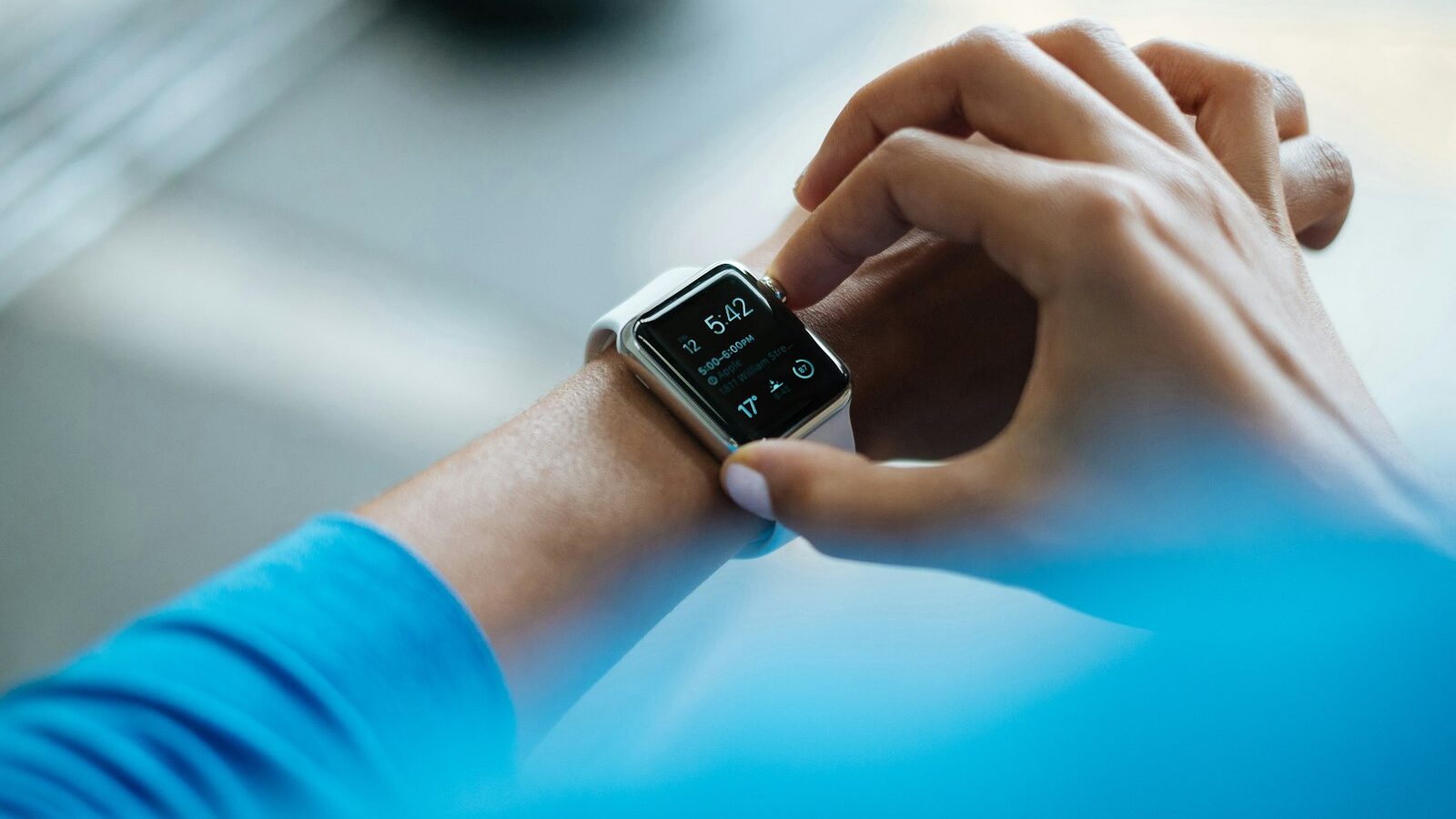
Fitness trackers and wearables have become popular tools for health and activity. This guide covers what they do, what to look for, how to use one effectively, and who they suit. This is a general overview, not medical advice.
What fitness trackers do
Fitness trackers, and fitness-capable smartwatches, are wearable devices that track and monitor aspects of your activity and health, such as steps, activity, exercise, and various health-related metrics, helping you stay aware of and motivated about your physical activity and wellbeing. They have become popular tools for people seeking to be more active, monitor their health and fitness, and work toward health goals. By providing data, feedback and motivation, fitness trackers can support healthier, more active lifestyles, though they are aids rather than substitutes for genuine healthy habits or medical advice. Understanding what fitness trackers do, wearable devices that track activity and health metrics to support awareness, motivation and healthier habits, helps you approach them as useful tools for your health and fitness, so you can consider whether one would help you be more active and health-aware, and choose and use it effectively, while recognising that a tracker supports but does not replace genuine healthy habits or professional medical guidance.
What to look for
| Factor | Broadly |
|---|---|
| Features | Tracking and functions you want |
| Comfort and wear | Comfortable for daily wear |
| Battery life | Lasts adequately between charges |
| Compatibility and app | Works with your phone and needs |
When choosing a fitness tracker, focus on the factors that matter for your needs. Features are key, consider which tracking capabilities and functions you actually want, from activity and exercise tracking to any health metrics or smart features, and match these to your goals. Comfort and wearability matter, as you will wear it regularly, so it should be comfortable and suit your lifestyle. Battery life affects convenience, with longer life meaning less frequent charging. Compatibility with your phone and the quality and usability of the accompanying app matter, as much of the value comes from the data and app experience. Price and durability are also considerations. Understanding what to look for, features, comfort, battery life, and compatibility and app, helps you choose a fitness tracker suited to your needs and goals, so you get a device you will actually wear and use, with the tracking and experience that support your health and fitness aims, rather than one that disappoints or goes unused, ensuring good value for your needs.
Using one effectively
To get real benefit from a fitness tracker, use it effectively as a tool to support healthy habits, not as an end in itself. Set meaningful, realistic goals suited to you, and use the tracker’s data and feedback to stay aware, motivated and on track. Focus on genuine, sustainable improvements in activity and health rather than obsessing over numbers. Use the insights to inform healthier habits, and combine the tracker with actual lifestyle changes, since the device supports but does not create fitness. Be mindful not to become overly fixated on data, and remember trackers provide estimates, not precise or medical measurements. Understanding how to use a fitness tracker effectively, setting realistic goals, using data for motivation and awareness, focusing on genuine sustainable habits, and keeping perspective on the numbers, helps you turn the device into a genuine aid to your health and fitness, so it supports lasting healthy habits and motivation rather than becoming a source of obsession or a gadget that fails to translate into real improvements in your activity and wellbeing.
Who they suit
Fitness trackers suit a range of people, particularly those wanting to be more active, monitor their fitness, or work toward health goals with the help of data and motivation. They suit those starting or maintaining an active lifestyle, who benefit from tracking and encouragement. They suit the health-conscious who like to monitor activity and metrics. They can motivate those who find data and goals helpful for staying active. They may suit less well those who dislike wearables, find data unmotivating or stressful, or prefer to stay active without them, as a tracker is helpful but not essential to fitness. Understanding who fitness trackers suit, essentially those who want support, data and motivation for being active and health-aware, helps you decide whether one would genuinely benefit you, so you choose to use a tracker if it fits how you like to approach fitness, recognising that it is a helpful aid for many but not a requirement, and that genuine healthy habits matter far more than the device itself.
Keeping it healthy
While fitness trackers can support health and motivation, it is worth keeping their use healthy and balanced. Use the tracker as a helpful tool, not a source of stress, guilt or obsession, and remember that its data are estimates and that overall healthy, sustainable habits matter more than hitting precise numbers. Do not let the device drive unhealthy fixation or comparison. For any health concerns, rely on professional medical advice rather than a consumer tracker, which is not a medical device. Keep the focus on genuine wellbeing and sustainable habits, with the tracker as a supportive aid. Understanding how to keep tracker use healthy, treating it as a helpful, motivating tool rather than a source of stress or obsession, keeping perspective on its data, and relying on professionals for health concerns, helps you benefit from a fitness tracker in a balanced way, so it genuinely supports your health, activity and motivation as a positive aid, rather than becoming a source of anxiety, fixation or misplaced reliance for genuine health matters.
The takeaway
Fitness trackers and fitness-capable smartwatches are popular wearable tools that track activity and health metrics to support awareness, motivation and healthier habits, though they aid rather than replace genuine healthy habits or medical advice. When choosing one, focus on the features you want, comfort, battery life, and compatibility and app quality, to get a device you will actually use. Use it effectively by setting realistic goals, using data for motivation, and focusing on genuine, sustainable habits while keeping perspective on the numbers. Trackers suit those who want support and motivation for being active, and their use is best kept healthy and balanced, as a positive aid rather than a source of obsession. This is a general overview, not medical advice.
Explore more: Best fitness activities in Singapore · Choosing a budget smartphone · Running routes in Singapore