
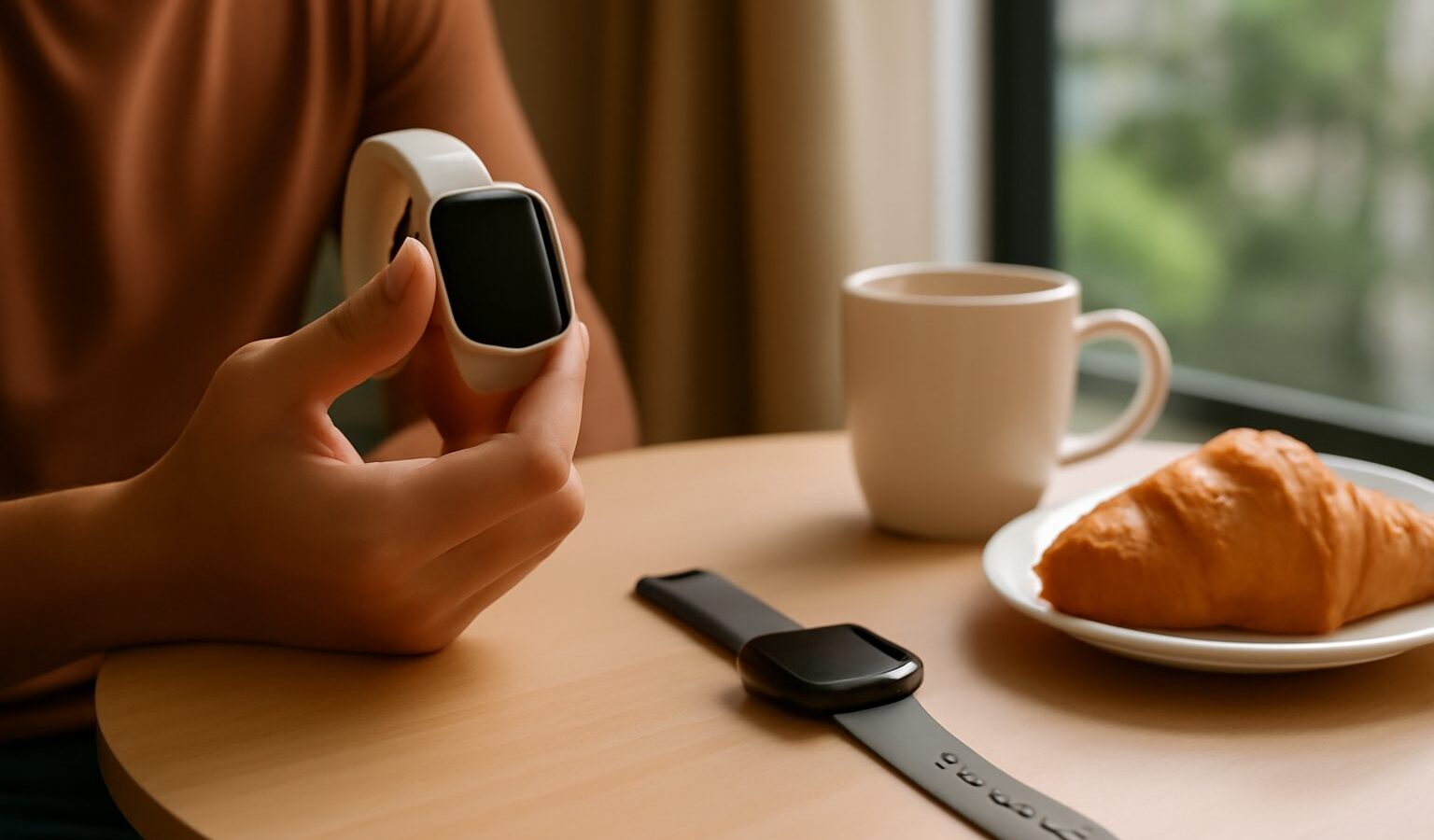
A smartwatch has quietly become one of the most useful gadgets many people wear, glancing at messages without pulling out a phone, tracking a lunchtime run around the neighbourhood, or tapping to pay at the kopitiam. Picking the right smartwatch in Singapore is less about chasing the flashiest model and more about matching the watch to your phone, your daily habits, and our warm, humid climate. This guide walks through how a smartwatch differs from a simple fitness tracker, why the phone you own matters so much, and what to look for in health features, battery life, connectivity, water resistance, and everyday payments.
Smartwatch or Fitness Tracker: What You Actually Need
Before comparing brands, decide what category you want. A fitness tracker is usually a slim, lightweight band focused on steps, heart rate, sleep, and basic activity, often with days of battery and a low price. A full smartwatch does all that too, but adds a larger touchscreen, apps, richer notifications, contactless payments, and often music and navigation.
- Choose a fitness tracker if you mainly want step counts, sleep tracking, and gentle nudges to move, with minimal fuss and long battery life.
- Choose a smartwatch if you want notifications you can act on, apps, payments, and more detailed workout tracking, and you do not mind charging more often.
- Consider a hybrid if you like the look of a traditional watch but want quiet activity tracking behind the scenes.
There is no single right answer. Many people start with a tracker and later move up to a full smartwatch once they realise how often they reach for one. If you want to weigh the simpler option first, it helps to understand what dedicated bands do well before spending more.
Why the Ecosystem Matters More Than the Watch
The single biggest factor in choosing a smartwatch in Singapore is the phone in your pocket, because watches are tied to phone platforms far more tightly than most buyers expect. Getting this right saves a lot of frustration.
- Apple Watch works only with an iPhone. If you own an iPhone, it is the most seamless option, and if you own an Android phone, it is simply not compatible.
- Wear OS watches, made by several brands, are built around Android phones and integrate well with Google services, though some features can be limited when paired with an iPhone.
- Garmin, and similar sports-focused brands, work across both iPhone and Android, and lean towards fitness, outdoor and multi-sport use with famously long battery life.
- Other brand-specific watches often pair best with that brand’s own phones, so features can vary if you mix and match.
The practical lesson is to decide phone first, then watch. A watch that half-works because it is fighting your phone will annoy you daily. If you are switching phones soon, factor that in, and our guide to setting up a new phone covers moving your accounts and apps across cleanly.
Health and Fitness Features Worth Having
Modern smartwatches pack an impressive range of sensors, and it helps to see them as wellness and motivation tools rather than medical devices. They can encourage healthier habits, but they are not a substitute for professional care or diagnosis, and readings should be treated as estimates.
Commonly useful features include continuous heart-rate monitoring, step and activity tracking, sleep tracking, and workout modes for running, cycling, swimming and gym sessions. Many watches add stress or breathing prompts, reminders to stand or move, and estimates of calories burned. Higher-end models layer on more advanced sensors, but availability of any particular health feature varies by model, region and software updates, so check the current specifications and what is actually supported in Singapore before buying on the strength of one feature.
For most people, the value is consistency: a watch that gently nudges you to walk more, sleep better, and keep up a routine tends to do more good over a year than any single headline sensor. Treat the numbers as trends to watch, not exact truths, and speak to a doctor about anything health-related that concerns you.
Matching a Smartwatch to How You Live
Different watches suit different people, and the best pick depends on your phone, your activities, and how much charging you can tolerate. This table maps common smartwatch types to the users they fit best.
| Smartwatch type | Best for | Key strength | Watch out for |
|---|---|---|---|
| Apple Watch | iPhone owners wanting a do-it-all watch | Seamless iPhone integration, apps, payments | iPhone only, charges roughly daily |
| Wear OS watch | Android owners wanting apps and Google services | Good Android integration, wide brand choice | Battery often needs frequent charging |
| Sports and outdoor watch | Runners, cyclists, swimmers, hikers | Long battery, detailed fitness and GPS data | Bulkier, less app focused than city smartwatches |
| Fitness tracker band | Minimalists wanting steps and sleep | Light, affordable, long battery life | Fewer apps, limited or no payments |
| Hybrid watch | Those who prefer a classic watch look | Traditional style with quiet tracking | Fewer smart features, smaller or no screen |
Most buyers can narrow the field quickly just by settling on their phone and their main activity, then comparing current models within that type.
Battery, Connectivity and Surviving the Climate
Battery life varies widely and shapes daily life with the watch. Full-featured city smartwatches often need charging roughly every day, while sports and outdoor watches can stretch much longer between charges. Be honest about whether you will remember to charge nightly, and pick accordingly, since a dead watch tracks nothing.
Connectivity is another choice. Many watches rely on GPS plus a Bluetooth link to your phone, which is enough for most people who keep their phone nearby. A cellular smartwatch adds its own mobile connection so it can receive calls and messages, or stream music, without the phone, which suits runners who like to leave the phone at home. Cellular usually costs more for the watch and needs a supporting plan, so check with your telco, whether Singtel, StarHub, M1, Simba or a SIM-only or MVNO brand, on current smartwatch or companion-plan options and pricing before you rely on it.
Singapore’s climate makes sweat and water resistance genuinely important. Look for a clear water-resistance rating suitable for sweat, rain and, if you swim, pool use, and rinse the band after sweaty workouts or a dip in the sea to keep it fresh. Silicone or fabric bands tend to cope better with heat and humidity than leather. As always, confirm the exact rating for the model you want, since resistance levels and their real-world limits differ from watch to watch.
Paying and Getting Around on Your Wrist
One of the quiet joys of a good smartwatch is leaving your wallet in your bag. Most full smartwatches support contactless payments through the platform’s wallet, letting you tap to pay at shops that accept contactless cards, once you have added a supported card and set it up. This works at many retailers around the island, and is handy when your hands are full or your phone is buried in your bag.
Public transport is a common question. Some watches can tap through the fare gates and bus readers depending on the watch, the wallet, and current transit support, but this can vary and change over time, so check whether your specific watch and card setup is supported for transit before depending on it for your commute. It is wise to keep a backup card or your phone handy until you have confirmed it works on your usual routes. Because this support shifts as software and services update, verify the setup with current, official information rather than assume it. Finally, remember that models, features, battery figures and prices all change, so compare current watches and confirm the details that matter to you before buying.
Explore more
Still deciding between a full watch and a simpler band? Our fitness trackers guide for Singapore digs into the lighter option. And once you have picked a watch, our guide to setting up a new phone in Singapore helps you pair it and move your accounts across smoothly.