
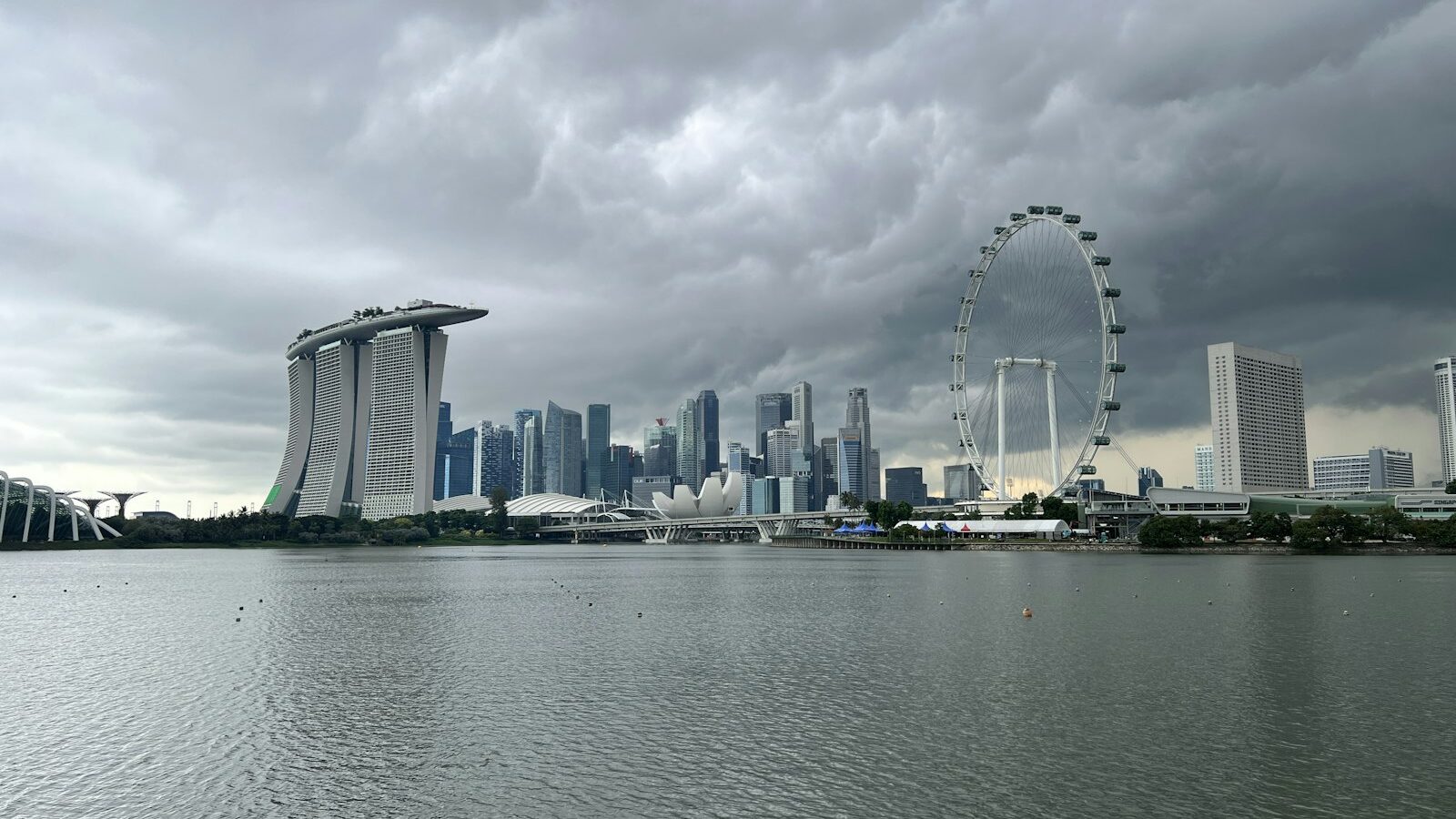
Sudden, heavy tropical downpours are a normal part of life here, and flood preparedness Singapore is a sensible habit for every resident. While serious flooding is not an everyday event, intense rain can cause flash floods in low lying areas within minutes, and thunderstorms with strong winds can bring their own hazards. For newcomers from mainland China, the sheer speed and intensity of tropical rain can be surprising, so a little preparation goes a long way.
This is general information to help you stay safe and organised. It is not an emergency service. In any genuine emergency, contact the relevant authorities. For weather and flood conditions, rely on official sources such as the National Environment Agency (NEA) for weather and the national water agency PUB for flood and drainage advisories.
Understanding the weather here
Singapore has a warm, humid, tropical climate with rain possible throughout the year and heavier periods during certain seasons. The typical pattern is short but very intense bursts of rain, sometimes with thunder and lightning, rather than long gentle drizzle. Because the rain can be so heavy so quickly, drains and canals occasionally cannot carry the water away fast enough, and shallow flash flooding can appear in low lying spots before receding again.
Lightning is another real hazard during storms. The safest place during a thunderstorm is indoors, away from open ground, tall isolated trees, and water. Understanding these patterns helps you take sensible precautions without being alarmed, since most of the time the weather is simply part of daily life.
Monitoring advisories
Staying informed is the heart of good preparedness, because timely information lets you avoid problems before they reach you.
Make a habit of checking the weather forecast, especially if you have travel or outdoor plans. NEA provides weather forecasts and updates, and PUB issues advisories about heavy rain and potential flooding in specific areas, sometimes with alerts you can subscribe to. Look up the current official channels and apps yourself, since these are updated over time, and set up whatever alerts are available so warnings reach you promptly.
When an advisory warns of heavy rain or possible flooding in your area, take it seriously. Delay non essential trips, avoid known flood prone roads and underpasses, and give yourself extra time. A short wait for a storm to pass is far better than being caught in fast rising water.
Flash flood and storm safety
If heavy rain and flooding do occur, a few clear rules keep you safe. The most important is simple: never walk or drive through flood water. It is a rule worth repeating because it saves lives.
- Do not enter flood water on foot. Even shallow moving water can knock you off your feet, and you cannot see hazards or open drains beneath the surface.
- Do not drive through flooded roads. Water can be deeper than it looks, can stall or sweep a vehicle, and can hide damage to the road. Turn around and find another route.
- Avoid underpasses and low lying areas during and just after heavy rain, as these fill first.
- Stay away from canals, drains and rivers when it is raining hard, as water levels can rise fast and currents are strong.
- During thunderstorms, stay indoors and away from windows, and avoid open fields, tall trees, and metal structures if you are caught outside.
- Keep clear of fallen power lines and report them to the authorities.
| Situation | What not to do | What to do instead |
|---|---|---|
| Flooded road ahead | Drive through it | Turn around, take another route |
| Flooded footpath | Wade across | Wait or find a dry route |
| Thunderstorm outdoors | Shelter under a lone tree | Get inside a building |
| Rising water at home | Ignore it | Move valuables up, monitor advisories |
What to keep at home
A modest amount of preparation at home means a storm or brief flood is an inconvenience rather than a crisis. You do not need an elaborate kit, just a few practical items kept somewhere you can find them.
Keep a working torch and spare batteries, or a charged power bank, in case of a power interruption. Have a small first aid kit and any regular medication your household needs. Keep some drinking water and a few non perishable food items. A charged mobile phone is your link to information and help, so keep chargers and a power bank ready. It also helps to store important documents in a waterproof folder or a sealed bag, and to know where your main electrical switches are so you can turn off power safely if water enters your home.
If you live on a ground floor or in an area you know is prone to flooding, think ahead about keeping valuables and electrical items off the floor, and know a safe higher spot within your home. Renters should also understand who to contact, such as the landlord or building management, if water damage occurs.
It is also worth thinking about your commute. If you rely on public transport, heavy rain can cause delays, so build in extra time on stormy days and have a backup plan for getting home. If you drive, know which roads near you tend to flood and avoid them during downpours. Keeping a small umbrella and a light rain jacket with you means a sudden shower is never more than a minor inconvenience.
Building a calm routine
Preparedness is less about fear and more about calm habits. Check the forecast when you plan your day, subscribe to official alerts, and know the simple safety rules so you act without hesitation if a storm hits. Keep your small home kit topped up, and make sure everyone in your household, including any helper or family members, knows the basics.
Being a considerate neighbour matters here too. If you see a blocked drain, a fallen branch, or a dangerous situation in a common area, report it to your building management or the relevant authority so it can be handled before the next downpour. With a little preparation and reliable information, tropical weather becomes something you take in your stride.
Explore more
How to Be a Good Neighbour
Dengue Prevention at Home
How to Budget for Life in Singapore