
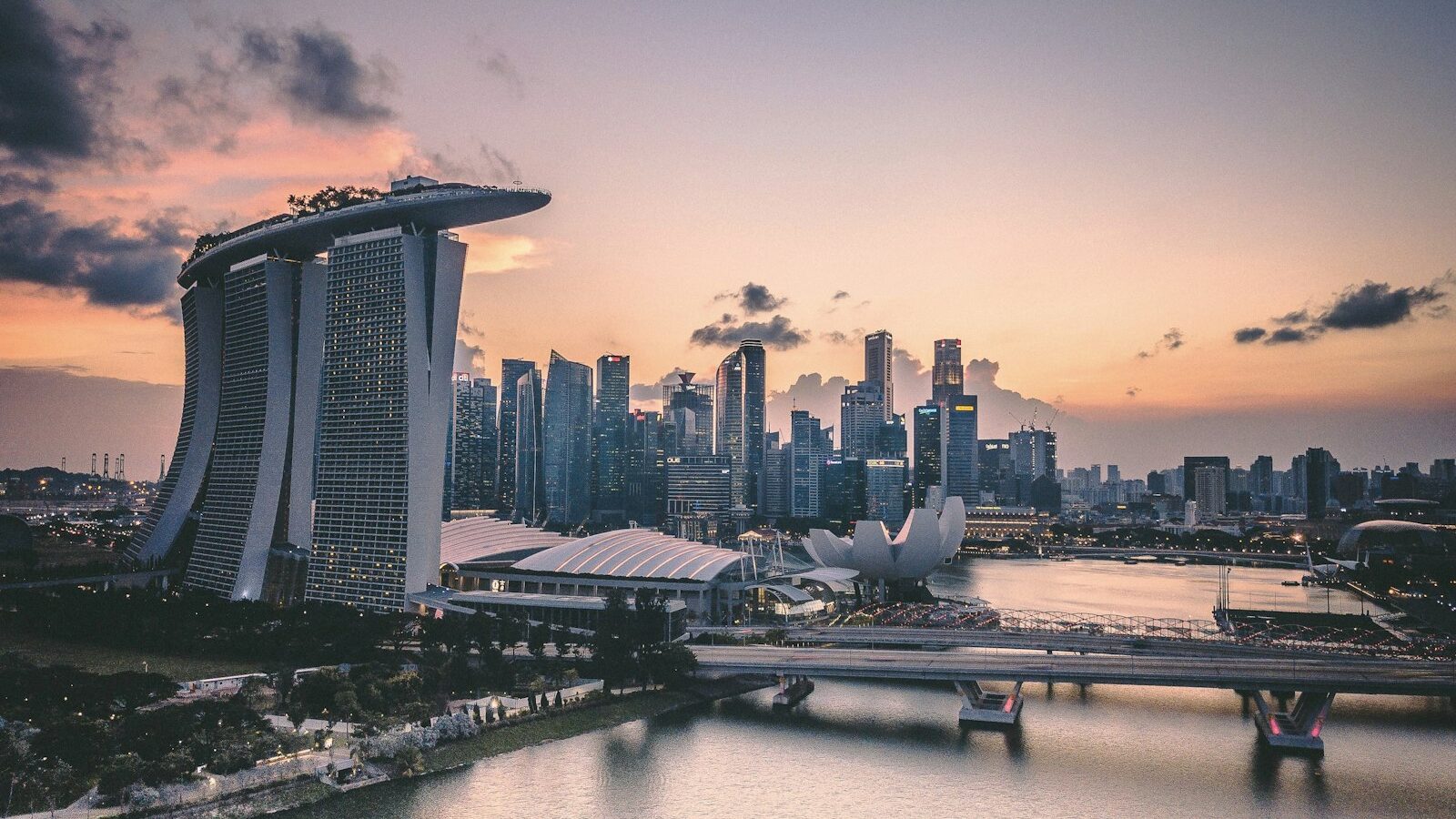
If you have just moved from mainland China, the first thing that hits you at Changi is not the queue or the currency, it is the air. Singapore sits almost on the equator, so it is warm and wet all year, with no spring, summer, autumn or winter the way Beijing, Chengdu or Harbin have. Understanding Singapore weather as a newcomer is less about reading forecasts and more about changing daily habits so the climate works with you rather than against you. This guide walks through the heat, the humidity, the haze, the monsoon rains, and the practical choices around clothing and health that make the adjustment far smoother.
Why Singapore Feels So Different from China
Most of China has four clear seasons and a big temperature swing between them. Singapore does not. Temperatures stay warm and fairly steady through the year, and the real story is humidity. The air holds a lot of moisture, so even a moderate temperature can feel heavy and sticky, and sweat does not evaporate as quickly as it does in a dry northern Chinese winter. Rain arrives in short, heavy bursts rather than the long grey drizzle you might know from the Yangtze region.
For a newcomer, three things follow from this. First, you will sweat more than you expect, so hydration matters every day, not just when exercising. Second, indoor air conditioning is everywhere and is often set cold, so you will move between hot outdoors and chilly malls, offices and MRT trains many times a day. Third, mould and mildew grow easily on shoes, leather bags and clothes left in a closed cupboard, something people from drier parts of China are often surprised by.
Coping with Heat and Humidity Day to Day
The single biggest adjustment is pacing yourself outdoors. Locals instinctively walk in the shade, plan errands for the morning or evening, and use covered walkways between buildings. You can copy these habits quickly.
- Carry a refillable water bottle and drink regularly through the day. Public water in Singapore is safe to drink from the tap.
- Slow down when walking outdoors in the middle of the day, and use sheltered links and underpasses where you can.
- Keep a small towel or facial tissue handy, as many locals do, for wiping sweat.
- Bring a light layer for indoors. The contrast between hot streets and cold air conditioning can feel like two different climates, and a thin cardigan or jacket saves you from a chill in the office or on a long bus ride.
- Air out or dehumidify your wardrobe. A cupboard dehumidifier box or a fan helps keep leather and clothes free of mould in the humid air.
Give your body a couple of weeks to acclimatise. It is normal to feel more tired and thirsty at first. Listen to your body, rest in the shade or indoors when you feel overheated, and do not push through dizziness.
Understanding Haze, Monsoon and the Rainy Spells
Two seasonal patterns are worth knowing. The monsoon brings wetter and windier spells at certain times of year, when heavy afternoon or evening downpours are common. These storms are intense but usually short, so an umbrella or a paused errand often solves the problem. Flooding in low areas can happen briefly during very heavy rain, so give yourself extra time and avoid underpasses that are filling with water.
Haze is different. In some years, smoke from regional land and forest fires drifts over Singapore and reduces air quality for days or weeks, usually in the drier months. When haze is present, the authorities publish air quality readings and health advisories. The National Environment Agency (NEA) reports the PSI (Pollutant Standards Index), and the Ministry of Health and the Health Promotion Board (HPB) issue guidance on outdoor activity. Rather than memorise numbers, build the habit of checking the official NEA readings when the sky looks or smells smoky, and follow the current advisory for that day. On hazier days people cut back on strenuous outdoor exercise, keep windows shut, and some use masks. If you have a respiratory or heart condition, or you are pregnant, elderly or caring for young children, take the advisories seriously and seek medical advice early if you feel unwell.
China and Singapore Weather at a Glance
The table below sums up the mental shift for a newcomer. Treat it as a general orientation, not a precise forecast.
| Aspect | Much of mainland China | Singapore |
|---|---|---|
| Seasons | Four distinct seasons | Warm and wet all year, no true seasons |
| Main challenge | Cold winters, dry air in the north | High humidity and steady heat |
| Rain pattern | Varies widely by region | Short, heavy downpours, wetter monsoon spells |
| Air quality concern | Winter smog in some cities | Seasonal haze in some years |
| Indoor climate | Winter heating | Strong air conditioning year round |
| Wardrobe logic | Layer for the season | Light clothes plus one indoor layer |
Dressing for the Climate
Pack and shop for breathability. Natural fibres such as cotton and linen, and modern moisture-wicking fabrics, are far more comfortable than heavy or synthetic materials that trap sweat. Loose, light coloured clothes help you stay cooler outdoors.
A few practical pointers:
- Choose open, breathable footwear you do not mind getting wet, and keep a spare pair to rotate so shoes can dry out.
- Always keep a compact umbrella or a light rain jacket in your bag, as sudden downpours are routine.
- Use sun protection. The equatorial sun is strong even on cloudy days, so sunscreen, sunglasses and a hat or cap help.
- Keep that thin indoor layer with you for cold offices, cinemas and buses.
- Store winter coats away, but keep one warm layer if you plan to travel back to China or to colder countries.
Most heavy clothing from home will simply sit in the cupboard. It is often easier to buy a small local wardrobe of light pieces once you arrive.
Looking After Your Health
The heat and humidity affect everyone differently, and a sensible routine goes a long way. Stay hydrated, avoid the strongest midday sun for hard exercise, and ease into any outdoor sport rather than starting at full intensity in week one. Protect your skin from the sun, and watch for signs of overheating such as headache, dizziness, nausea or a racing pulse, which mean you should cool down, rest and drink water. Mosquitoes are active in warm, wet conditions, so use repellent and remove standing water at home. If you take regular medication or have a chronic condition, check how the climate and any new routine might affect you.
This article is general information to help you settle in, not personalised medical advice, and conditions and official advisories change. For current air quality and health guidance, check the NEA and HPB. If you feel persistently unwell, are pregnant, elderly, or caring for someone vulnerable, please see a doctor. For anything involving documents or rules on the China side of your move, confirm current requirements with the Chinese Embassy or Consulate in Singapore or the relevant Chinese authorities.
Explore More
Getting used to the climate is one piece of a bigger move. For the wider picture, read our guide for newcomers from China and our practical walk-through of utilities and home setup, which covers keeping a humid home comfortable. If you or a family member falls ill, see our overview of Mandarin-speaking doctors in Singapore.