
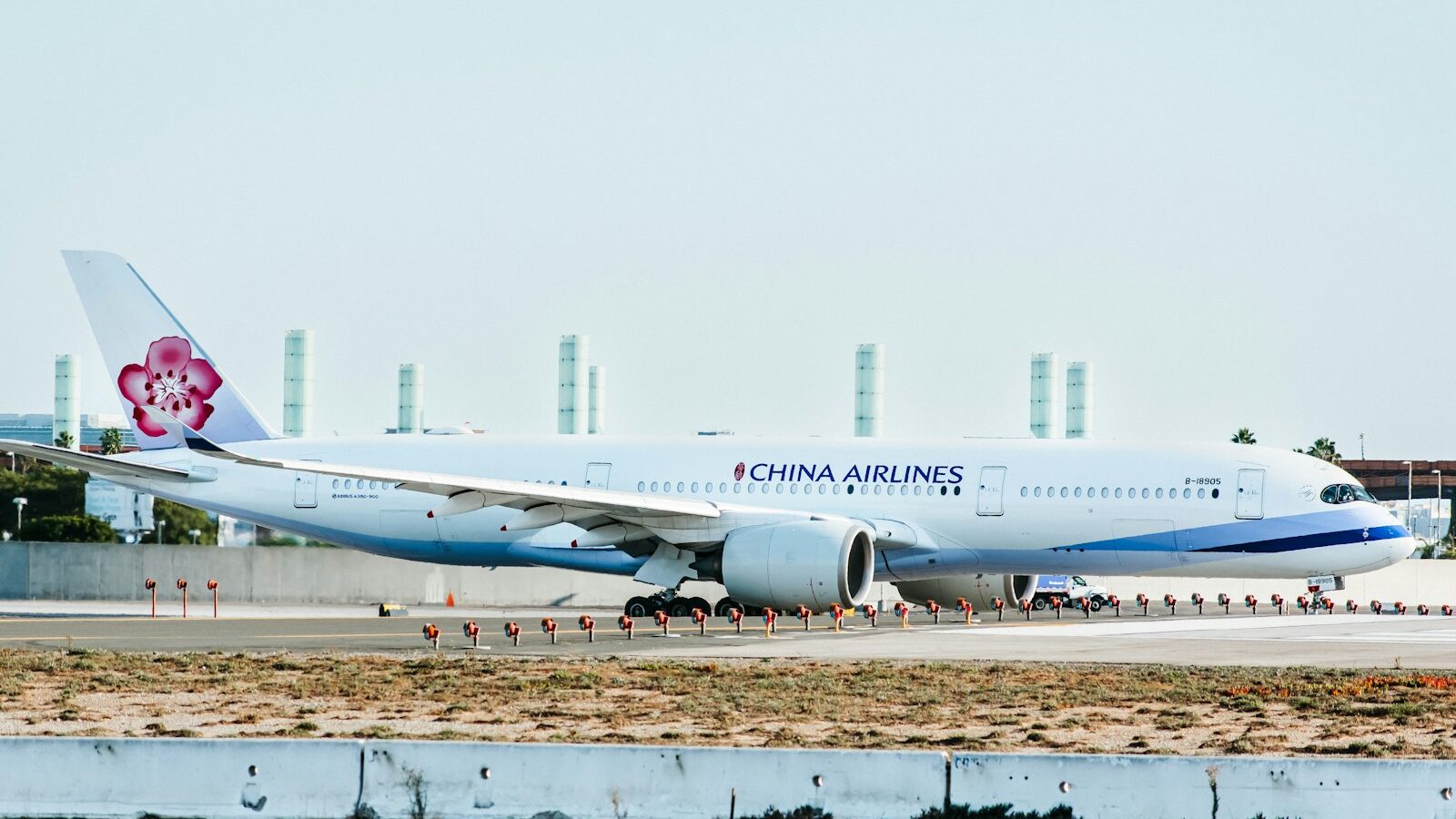
For many newcomers, the flight home is a lifeline, whether for Chinese New Year, a family emergency or simply missing familiar streets. The good news is that flights between Singapore and China are frequent and well served, with a wide choice of airlines and cities. This guide walks through the main airlines and hubs, how to weigh direct against connecting routes, and how to book sensibly around the busy seasons. Rather than quoting fares or timetables that change constantly, it points you to where the current, accurate details live so you can plan with confidence.
The Airlines That Fly the Route
The Singapore to China market is competitive, which is good for travellers. On the Singapore side, Singapore Airlines and its low-cost arm serve several mainland cities, and Changi Airport is the hub for almost all of these services. On the Chinese side, the major carriers and their partners operate their own flights, including the big three state groups and a number of well-known airlines based in different regions.
Rather than memorise a list, it helps to think in groups:
- Full-service Singapore carriers, convenient for connections onward and generous baggage.
- Chinese full-service carriers, often with strong networks into their home cities and beyond.
- Budget and hybrid airlines, useful for leaner fares if you travel light and want a direct hop.
Which airline suits you depends on your home city in China, how much luggage you carry, and whether you value lie-flat comfort or the lowest fare. Loyalty schemes matter too if you fly often, so it can pay to concentrate your trips with one alliance. Always confirm the operating airline when you book, since flights are sometimes sold by one carrier but flown by a partner.
Main Hubs and Routes to Know
China is vast, so where you are heading shapes your options. Flights from Singapore reach many mainland cities, but the density of service is highest to the big gateways. Southern and coastal cities tend to have the most frequent and often direct links, while smaller inland cities are usually reached with one connection.
| Destination type | Example gateway cities | Typical routing |
|---|---|---|
| Major coastal hubs | Beijing, Shanghai, Guangzhou, Shenzhen | Frequent direct flights from Changi |
| Regional big cities | Chengdu, Chongqing, Xiamen, Kunming | Mix of direct and one-stop services |
| Smaller inland cities | Many provincial capitals and towns | Usually one connection via a hub |
If your hometown is not a major hub, the smoothest plan is often to fly direct to the nearest large city and take a domestic flight or high-speed rail onward. China’s rail network is superb, so a short connecting train from a gateway city can be faster and cheaper than hunting for a rare direct flight. Check the airline’s own route map and a flight search tool for the latest direct options, as airlines add and drop routes each season.
Direct or Connecting: Weighing the Choice
A direct flight is the obvious choice for comfort, but it is not always the best value or even available for your city. Connecting itineraries, whether through a Chinese hub or a third country, can open up cheaper fares and more timing options. The trade-off is time, the risk of a tight transfer, and the hassle of possibly re-checking bags.
A few pointers help you decide:
- For elderly parents or young children, favour a direct flight or a generous connection to avoid a stressful dash between gates.
- If you book a connection on separate tickets, you are responsible if the first flight is late, so leave a wide buffer.
- On a single through-ticket, the airline rebooks you if a connection is missed, which is far less stressful.
- Consider the arrival time and onward transport at your destination, not just the departure that suits you.
Whatever you choose, verify visa, transit and entry requirements for your route with the airline and the relevant authorities before booking. Rules for transit through third countries and current entry requirements for China change, so defer to the airline and official sources rather than assuming last year’s position still holds.
Booking Around Busy Seasons
Timing is where newcomers most often get caught out. Demand and fares swing sharply with the calendar, and the single biggest surge is around Chinese New Year, when huge numbers travel home. School holidays, the National Day period in China and the summer break also lift demand.
To travel more smoothly and affordably:
- Book early for Chinese New Year. Seats around the festival are snapped up months ahead, and waiting rarely helps.
- Be flexible by a day or two if you can. Flying on the less popular dates around a peak often eases both price and crowding.
- Set fare alerts on a flight search tool and the airlines’ own apps so you are ready when a good option appears.
- Read the fare rules before you pay, as the cheapest tickets often carry strict change and refund conditions that hurt if plans shift.
- Keep some flexibility for emergencies, and know that airlines sometimes offer compassionate fares or waivers, which you must request directly.
Because prices and schedules move daily, this guide deliberately avoids quoting figures. Use the airlines’ official sites and a reputable flight comparison tool for the current fares, then book directly with the airline or a trusted agent so that any changes are easier to manage.
Practical Tips for a Smooth Journey
A little preparation makes the trip itself easier. Changi Airport is well signed in English and Chinese and is straightforward to navigate, and online check-in through the airline app saves time at the counter. Check your baggage allowance carefully, since budget fares often exclude checked bags and the allowances differ between airlines and even between the outbound and return legs.
Keep your travel documents in order well ahead. Make sure your passport has enough validity, confirm any visa or entry requirements for China with official sources, and keep digital and paper copies of your bookings. For payments and connectivity on arrival in China, remember that mainland apps such as Alipay, WeChat and local maps run daily life there, so set them up before you fly rather than at the airport. With the right airline, a sensible route and early booking around the peak seasons, flying between Singapore and China becomes a manageable part of life in two places rather than a yearly headache.
Explore more
When family come the other way, our guide to hosting visitors from China covers entry, SIM cards and a gentle itinerary. If you are travelling with older relatives, see getting around with elderly parents for accessible transport once they land in Singapore.