
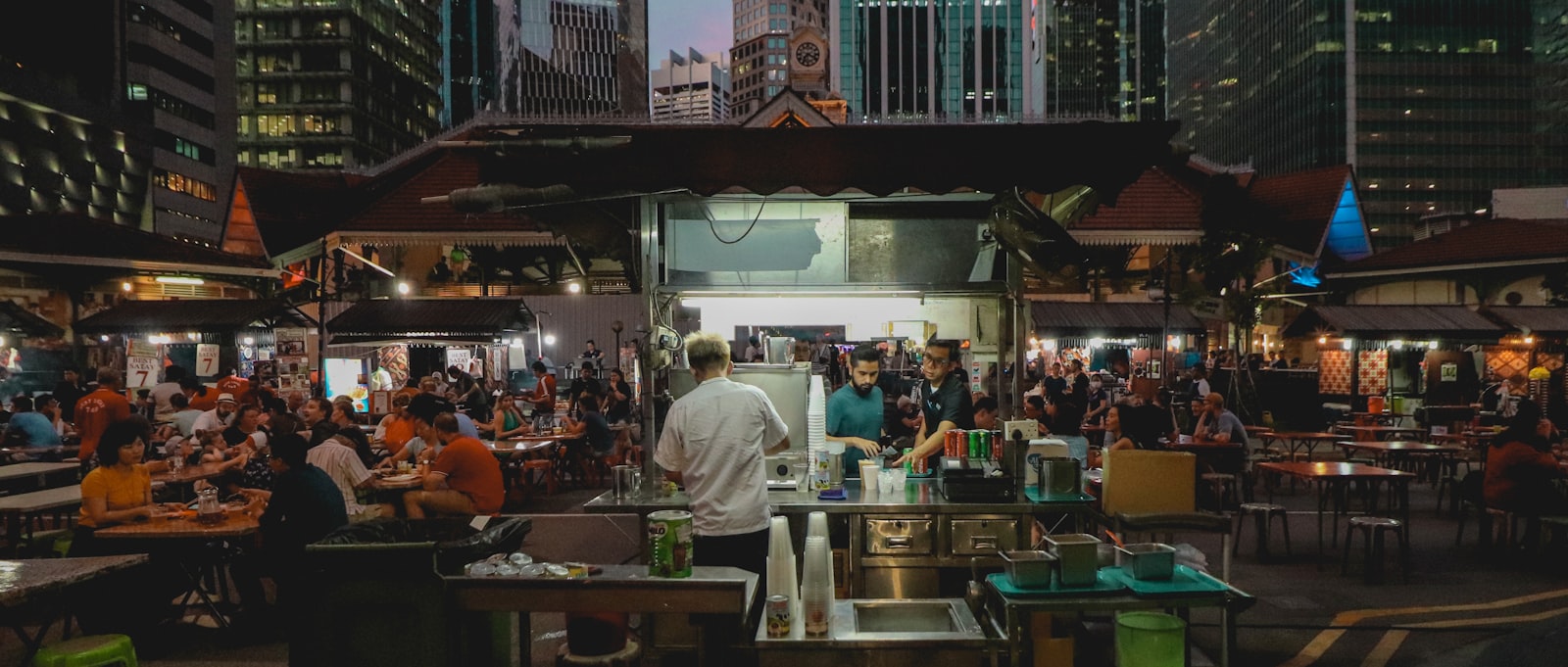
There are certain times of year when eating out feels like an event in itself, when kitchens across the island put on special menus, markets fill with stalls, and dishes you would not normally try come within easy reach. Food festivals singapore diners look forward to, along with restaurant week style promotions, are a brilliant way to explore the food scene, sample high-end kitchens at friendlier prices, and discover flavours you might otherwise never order. This guide explains what these events are, how they typically work, and how to make the most of them without missing out or overspending.
Because editions, dates and participating venues change every year, the emphasis here is on understanding the format rather than pointing you at any specific event. Once you know how they work, you can check the official listings for whatever is running and plan around it.
What These Events Are
Food festivals come in several shapes. Some are large public celebrations built around markets, tastings and demonstrations, where you wander between stalls sampling small plates and street food in a lively, open setting. Others are hawker and heritage focused, spotlighting traditional dishes and the people who make them. There are also themed festivals built around a single cuisine, ingredient or drink, gathering specialists in one place for a concentrated dose of a particular flavour.
Restaurant week style promotions work differently. Instead of a market, they involve many restaurants offering special set menus, often two or three courses at a fixed price, for a limited window. The appeal is trying kitchens, including higher-end ones, at a set price that can represent good value compared with ordering the same courses off the regular menu. Some run across a city-wide period, others are tied to a particular precinct, group or theme.
Both formats share a common purpose. They give diners a reason to explore, introduce restaurants to new customers, and celebrate the food culture more broadly. For the curious eater they are among the best opportunities all year to broaden your palate and revisit favourites in a festive spirit.
How They Typically Work
The mechanics vary by event, so the golden rule is to check the official listing for current details before you plan anything. Dates, participating venues, menus and prices are set fresh each edition and are the sort of thing that changes year to year. That said, some patterns hold across most events and are worth knowing.
For restaurant week style promotions, participating venues usually publish their special menus in advance, so you can browse and choose before committing. Booking is often essential, since popular restaurants fill their festival covers quickly, and some ask you to specify the set menu when you reserve. There may be separate lunch and dinner pricing, limited seatings, and terms such as whether drinks, service and taxes are included in the headline price. Reading those details saves surprises at the table.
For public food festivals, practical planning matters more than booking. Entry may be free or ticketed, popular stalls form queues, and going at off-peak times, such as earlier in the day or on a weekday, means shorter waits and a calmer experience. Bringing cash, wearing comfortable shoes and pacing yourself across many small tastes rather than filling up at the first stall all make for a better day. Check the official schedule for demonstration times, special guests or one-off dishes you do not want to miss.
Making the Most of the Occasion
A little strategy turns a good festival into a great one. Decide what you want from it first. If your goal is to try an ambitious kitchen you have long eyed, a restaurant week set menu is the ideal low-commitment way in. If you want variety and atmosphere, a public festival with dozens of stalls suits better. Matching the format to your appetite keeps the outing rewarding.
Plan and book early for anything that requires a reservation, since the best slots at popular venues go fast once menus are published. Compare a few set menus before choosing, looking at which dishes excite you and whether the fixed price genuinely beats ordering separately. Go with company where you can, as sharing across a table lets you taste more of a menu or more stalls between you. Pace yourself so you can actually enjoy the range rather than tapping out after one heavy plate.
Keep an eye on the value equation. Festival pricing is usually good, but confirm what is included, whether drinks and service push the total higher, and whether any dish carries a supplement. Be a considerate diner too, honouring your booking, arriving on time so the kitchen can keep to its seatings, and being patient with staff working through a busier than usual period. A gracious diner during a hectic festival is always appreciated.
The table below compares the main formats so you can choose what fits.
| Format | What it offers | Best for | Plan by |
|---|---|---|---|
| Public food festival | Stalls, tastings, demonstrations, atmosphere | Variety and a lively day out | Checking the schedule, going off-peak |
| Restaurant week set menus | Fixed-price courses at many venues | Trying higher-end kitchens for less | Booking early, comparing menus |
| Themed festival | Focus on one cuisine, drink or ingredient | Deep-diving a particular interest | Timing visits to special events |
Food festivals and restaurant week promotions are among the most enjoyable ways to explore what the island’s kitchens can do, whether you want a lively day of grazing or a set-menu introduction to somewhere special. Check the official listings for current editions and dates, match the format to your appetite, book early where it counts, and pace yourself. Do that and food festivals singapore has in abundance become a highlight of the eating year rather than a missed opportunity.
Explore more
Restaurants for Special Occasions
Best Fine Dining
Dining Out with Large Groups
Best Brunch