
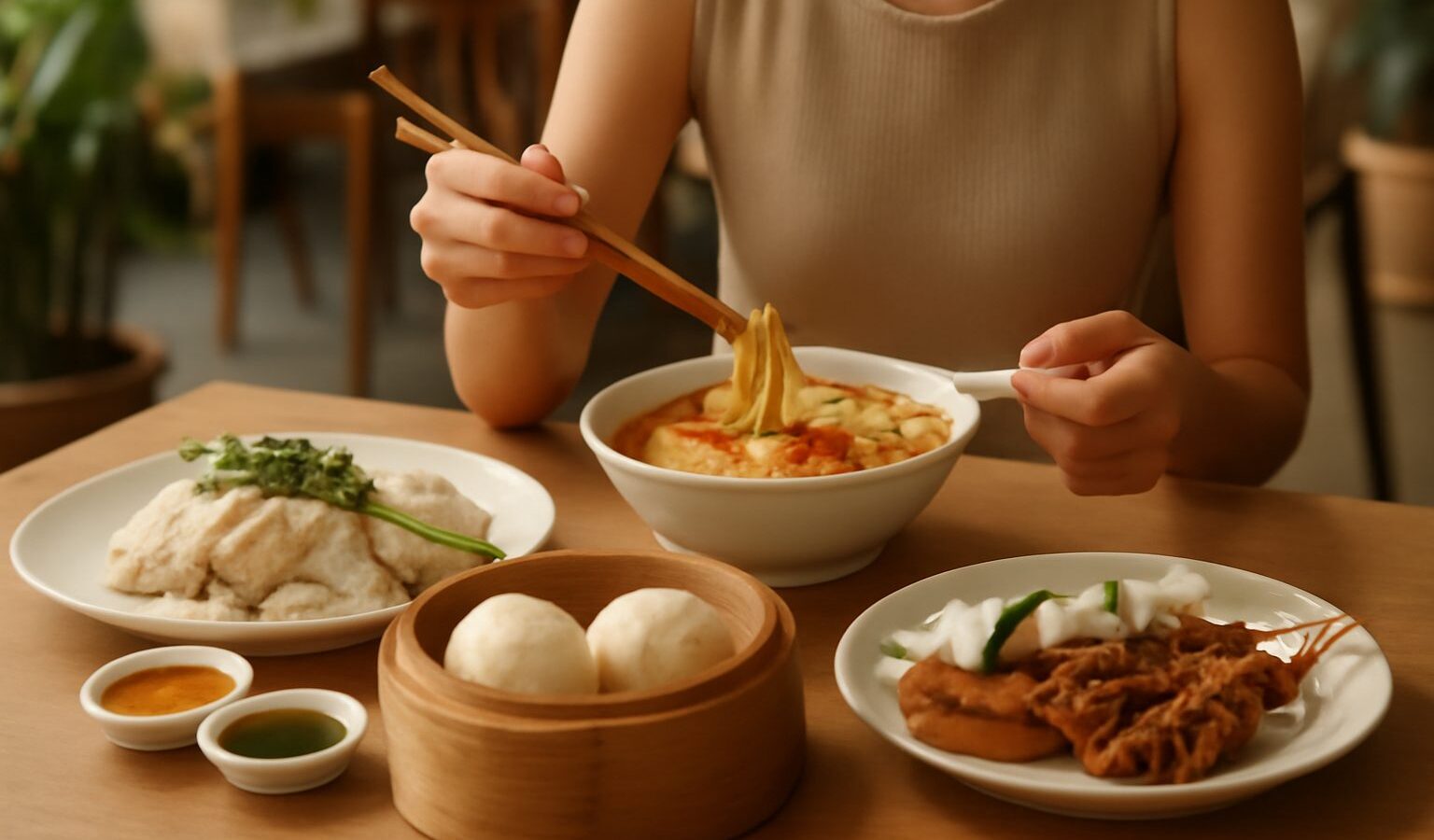
The Singapore Food Festival is the country’s flagship annual celebration of local food and the people who make it. Usually held around the middle of the year, it turns the whole island into a stage for hawkers, home cooks, chefs and food lovers. If you are new to Singapore, or simply curious about what the fuss is about, this guide explains what the Singapore Food Festival is, the kinds of experiences it offers, and how you can join in. Because the exact dates, venues and programme change every year, the goal here is to help you understand the festival in a way that stays useful season after season.
What The Singapore Food Festival Is
At its heart, the Singapore Food Festival is a month-long spotlight on Singaporean cuisine and food culture. It is usually organised by the national tourism agency together with industry partners, restaurants, hawkers and community groups, and it gathers many separate events under one banner.
The idea is simple but powerful. Singapore’s food is one of its proudest achievements, shaped by Chinese, Malay, Indian, Peranakan, Eurasian and many other communities living side by side for generations. The festival gives all of this a moment in the sun, from a humble bowl of laksa to an ambitious tasting menu. It celebrates both the dishes and the stories, techniques and families behind them.
It helps to think of the festival less as a single ticketed event and more as an umbrella season. During the festival period, dozens of activities run across the city, some free and open to all, others paid and limited in capacity. You do not need to attend everything. Most people pick a handful of experiences that match their taste and budget.
The Kinds Of Events You Will Find
No two editions of the festival are identical, but certain formats return year after year because they work well. Knowing the main types helps you plan.
- Hawker showcases. These put the spotlight on hawker stalls and the dishes that define everyday eating here, such as chicken rice, char kway teow, nasi lemak and satay. Some events invite well loved stalls to gather in one place; others send visitors out to explore hawker centres.
- Chef collaborations. Guest chefs, sometimes visiting from abroad, team up with local kitchens to create special one off menus. These dinners often reinterpret familiar flavours in new ways and tend to be paid, limited seat events.
- Tastings and workshops. Hands on sessions let you learn to make a dish, blend a spice paste, brew local coffee or pair food with drinks. They suit anyone who wants to understand the how, not just the what.
- Food trails and tours. Guided walks take you through neighbourhoods, markets and heritage districts, mixing food with history and culture. They are a gentle way to eat and learn at the same time.
- Markets and street parties. Larger gatherings bring many vendors together for a festive, family friendly atmosphere, often with music and activities alongside the food.
The table below sums up these formats so you can quickly find the kind of experience that suits you.
| Event type | What happens | Good for |
|---|---|---|
| Hawker showcase | Beloved local stalls and dishes brought together | Trying many classics in one outing |
| Chef collaboration | Local and guest chefs create special menus | A memorable, sit down meal |
| Tasting or workshop | Hands on cooking, blending or pairing sessions | Learning a skill or recipe |
| Food trail or tour | Guided walks through markets and heritage areas | Mixing food with culture and history |
| Market or street party | Many vendors, music and a festive mood | Families and casual grazing |
Celebrating Singapore’s Multicultural Cuisine
What makes the Singapore Food Festival distinctive is how it honours the island’s mixed heritage. The programme usually reaches beyond restaurant dining to celebrate the roots of local food.
Expect attention to dishes that carry deep cultural meaning, such as Peranakan kueh, Hainanese classics, Indian Muslim favourites and Malay heritage recipes. Just as often, the festival looks at ingredients and traditions that cut across communities, from the shared love of chilli and coconut to the ritual of gathering around a table.
The festival also tends to highlight the people who keep this heritage alive. Second and third generation hawkers, family run businesses and young cooks reviving old recipes are common stars of the programme. This focus matters because hawker culture is recognised as an important part of Singapore’s intangible heritage, and events like this help pass it on to a new generation and to visitors who might never have tried these foods otherwise.
How To Take Part
Joining the Singapore Food Festival is easy once you know where to look. The steps below work for almost any edition.
- Check the official programme. Nearer the festival period, the organiser publishes the full line up online, with dates, venues, prices and booking links. This is always your most reliable source.
- Decide your budget and interests. Some events are free to walk in, while chef dinners and workshops are paid and can sell out. Mix a couple of paid highlights with free activities if you want variety without spending a lot.
- Book early for limited events. Popular dinners, tastings and tours often have small capacities. If something catches your eye, reserve as soon as bookings open.
- Plan around the crowds. Weekends and evenings are busiest. Weekday sessions or earlier time slots can be more relaxed.
- Come hungry and curious. Part of the fun is trying something you have never eaten before. Ask the cooks about their dishes; most are happy to share.
Because programmes, prices and dates differ each year, treat any figures you see in older articles as out of date and rely on the current official listings before you make plans.
Why The Festival Matters Year After Year
Beyond a pleasant day out, the Singapore Food Festival plays a quiet but real role in the country’s cultural life. It gives smaller vendors and heritage trades a bigger audience, encourages young people to see cooking as a worthwhile craft, and reminds locals not to take their everyday food for granted.
For newcomers, the festival is one of the friendliest introductions to Singapore you can find. Food here is a shared language, a way that people of different backgrounds connect. Sitting at a communal hawker table, or learning to fold a dumpling in a workshop, tells you something about the country that no guidebook quite can.
The festival changes shape from year to year, but its purpose stays constant. It is a yearly reminder that in Singapore, good food is not just something you eat. It is heritage, hospitality and identity served on a plate.
Explore More
Planning your year around Singapore’s big happenings is easier when you know what is coming. See our calendar of major events in Singapore to slot the food festival alongside other seasonal highlights, and use it to decide which months suit your visit or your plans best.