
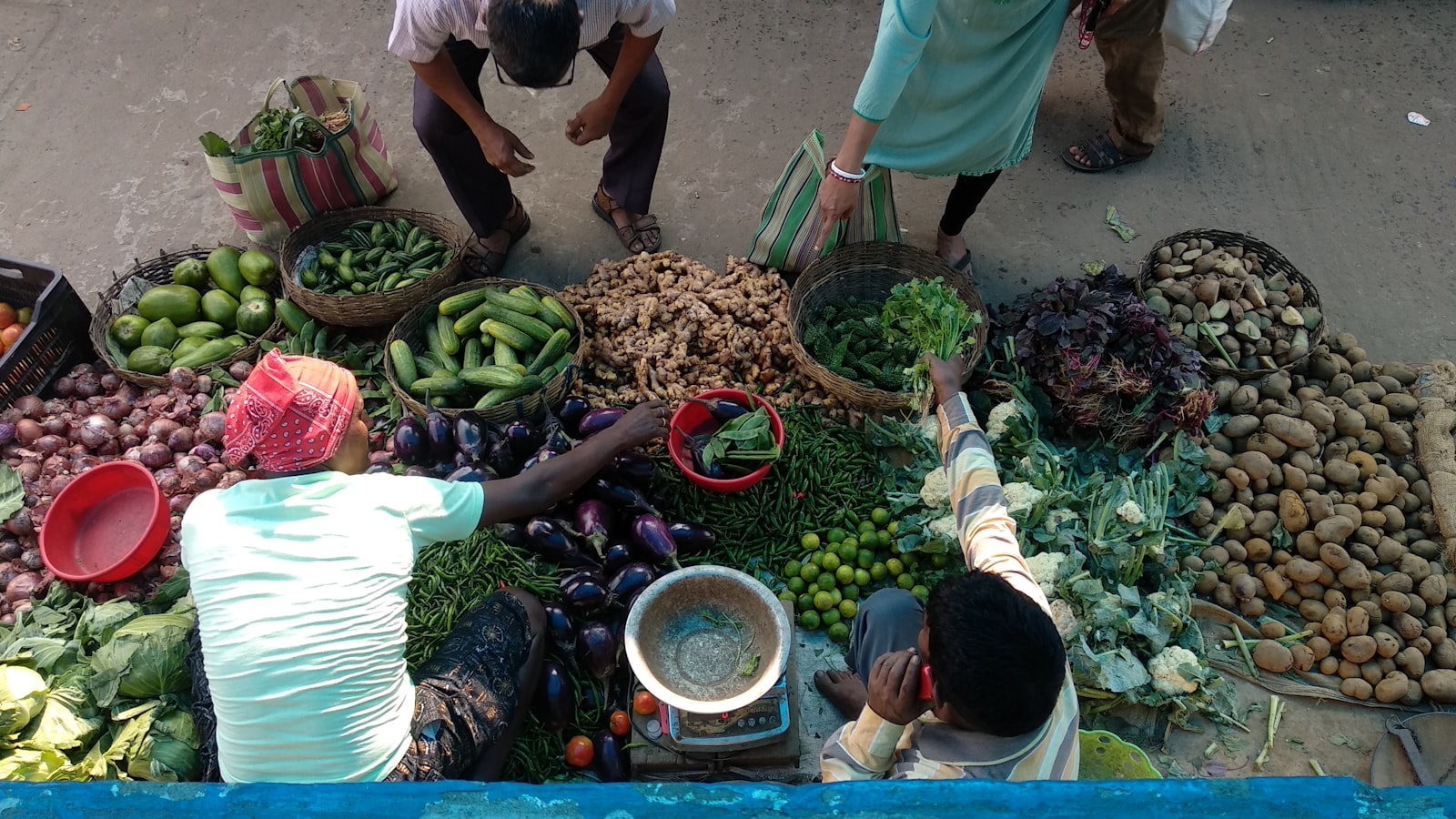
Food security is an important national concern for Singapore, which imports much of its food and has set the ambitious “30 by 30” goal. This explainer covers why food security matters, the nation’s strategies, and the 30 by 30 goal. This is a general overview.
Why food security matters
Food security, ensuring a reliable, resilient supply of safe, affordable food, is an important national concern for Singapore. As a small, highly urbanised nation with limited land for agriculture, Singapore imports the vast majority of its food, which makes it potentially vulnerable to disruptions in global food supplies, whether from supply chain issues, global events or other factors. Ensuring food security, therefore, means building resilience and reducing vulnerability in the nation’s food supply. This is a matter of national importance, relating to the wellbeing and stability of the population. Understanding why food security matters illuminates a significant national concern for Singapore, rooted in its reliance on imported food and its vulnerability to supply disruptions, and the importance of building a resilient, secure food supply for the nation’s wellbeing and stability.
Singapore’s food supply
| Aspect | Broadly |
|---|---|
| Import reliance | Most food is imported |
| Diversification | Sourcing from many countries |
| Local production | A smaller but growing share |
| Resilience | Building a secure supply |
Singapore’s food supply relies heavily on imports, with the vast majority of food coming from other countries. To manage the risks of this reliance, a key strategy is diversification, sourcing food from a wide range of countries and sources so that the nation is not overly dependent on any single source and can better withstand disruptions. Alongside diversification, Singapore also seeks to boost local food production, which, while a smaller share, contributes to resilience. Other measures support a secure and stable food supply. Together, these strategies aim to build resilience and reduce vulnerability. Understanding Singapore’s food supply illuminates the reality of its heavy reliance on imports, the importance of diversification, and the efforts to strengthen local production and overall resilience in the nation’s food supply as part of ensuring food security.
The 30 by 30 goal
The “30 by 30” goal is an ambitious national target for Singapore to produce a significant portion, aimed at around 30 percent, of its nutritional needs locally by the year 2030. Given that Singapore currently produces only a small share of its food, this represents an ambitious aspiration to substantially boost local food production and strengthen the resilience of the nation’s food supply. Achieving it involves ramping up local production through innovation, technology and new approaches to farming, given the nation’s severe land constraints. The 30 by 30 goal reflects the seriousness with which Singapore approaches food security and its ambition to reduce vulnerability by producing more food locally. Understanding the 30 by 30 goal illuminates a key, ambitious national target aimed at strengthening food security by significantly increasing local food production and the resilience of the nation’s food supply.
Local farming and innovation
Achieving greater local food production in land-scarce Singapore relies heavily on innovation, technology and new approaches to farming. Given the very limited land available for traditional agriculture, the nation looks to methods such as high-tech, space-efficient and productive farming approaches, including innovative and technology-driven agriculture, to boost local production. This emphasis on agricultural innovation and technology, sometimes referred to broadly as agritech, is central to the effort to produce more food locally within severe land constraints. Local farming and innovation are thus key to pursuing goals like 30 by 30 and strengthening food security. Understanding the role of local farming and innovation illuminates how Singapore aims to overcome its land constraints and boost local food production through technology and new approaches, a crucial element of its strategy to enhance food security and the resilience of its food supply.
Why it matters
Food security matters because a reliable, resilient supply of safe, affordable food is fundamental to the wellbeing and stability of the population and the nation. For a small, import-reliant nation like Singapore, building food security and resilience is a serious national concern, given its vulnerability to supply disruptions. Strategies such as diversification, boosting local production, and the ambitious 30 by 30 goal aim to strengthen this resilience and reduce vulnerability. For citizens and residents, food security underpins the reliable availability of food. For the nation, it is a matter of resilience, stability and preparedness. Understanding food security and the 30 by 30 goal fosters informed awareness of an important national concern and of the efforts to safeguard the resilience of Singapore’s food supply for the wellbeing and stability of its people.
The takeaway
Food security is an important national concern for Singapore, which imports the vast majority of its food and is therefore vulnerable to supply disruptions. To build resilience, the nation pursues strategies such as diversifying its import sources and boosting local food production, and it has set the ambitious “30 by 30” goal to produce around 30 percent of its nutritional needs locally by 2030. Achieving greater local production in land-scarce Singapore relies heavily on farming innovation and technology. Food security matters because a reliable, resilient food supply is fundamental to the wellbeing and stability of the population. Understanding food security and the 30 by 30 goal fosters informed awareness of an important national concern and the efforts to safeguard Singapore’s food supply.
Explore more: The Smart Nation initiative explained · Sustainable living in Singapore · The Singapore Budget, explained