
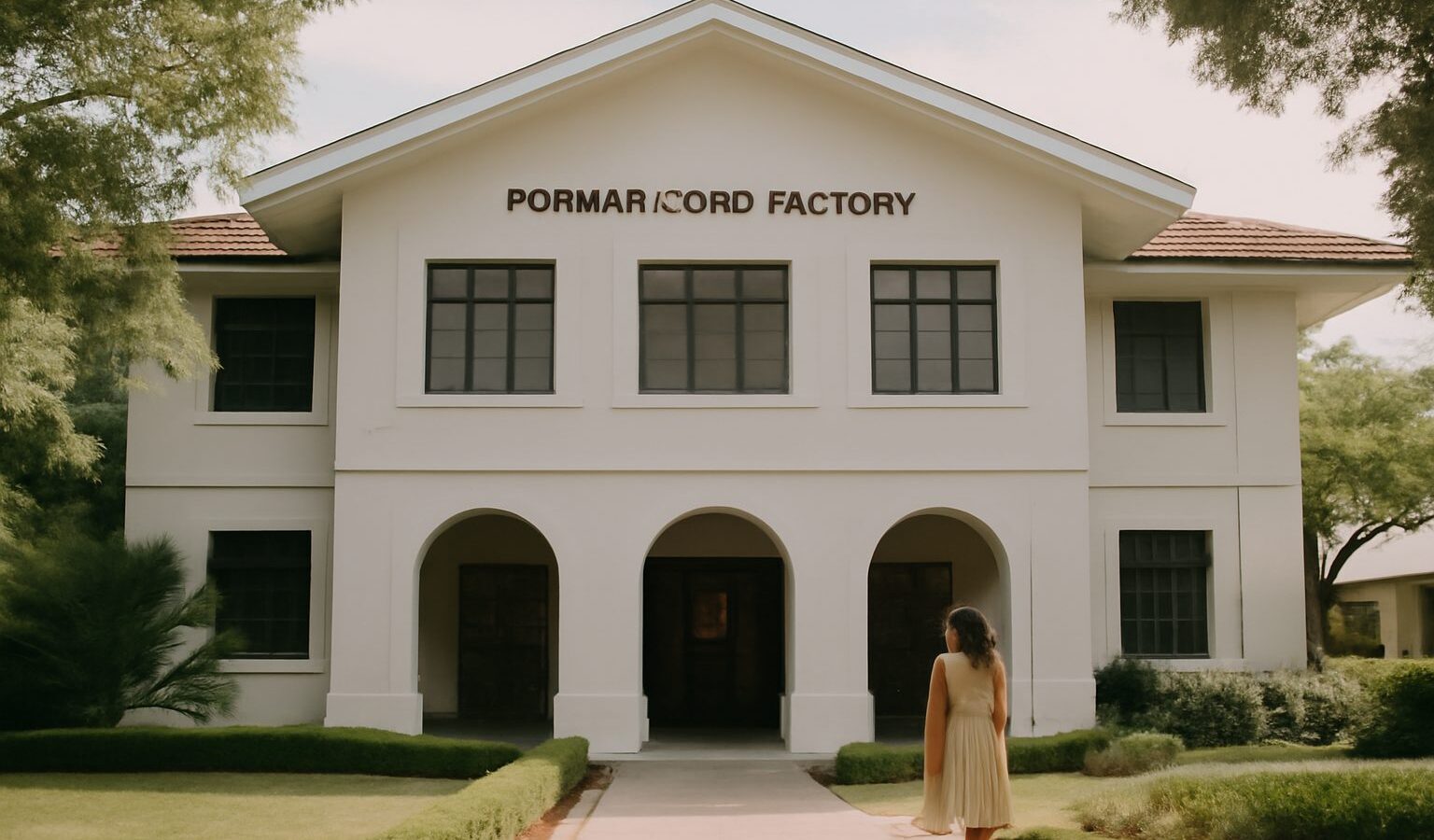
Along Upper Bukit Timah Road stands a low, streamlined building with a distinctive Art Deco frontage, easy to pass without a second glance. Yet the Former Ford Factory Singapore holds one of the most significant places in the nation’s wartime memory. It was here, within these walls, that the British formally surrendered the island to the Japanese in 1942, an event that opened the years of the Japanese Occupation. Today the building is a museum and gallery that tells that story with care. This guide covers its history, its meaning, and how to visit respectfully.
From Car Assembly Plant to Historic Site
The building began life as a motor vehicle assembly plant, the first of its kind in the region, built in the streamlined modern style fashionable in the late 1930s. Its clean horizontal lines and prominent signage marked it as a symbol of industry and progress on what was then the edge of the town, near Bukit Timah. Cars were assembled here from imported parts, and the factory was a point of pride for the community.
War changed everything. In the final days of the battle for Singapore, the fighting reached the Bukit Timah area, and the factory found itself close to the front. It was in this building that the surrender was negotiated and signed. That moment turned an industrial plant into a site of profound historical weight, a place where the course of the island’s history shifted. After the war the building returned to industrial use for many years before its historical significance was recognised and it was preserved.
The Surrender and the Occupation Years
The events of 1942 marked the start of a difficult chapter. The Japanese Occupation that followed brought hardship, fear and suffering to people across Singapore, and its memory remains a solemn part of the national story. The Former Ford Factory Singapore is significant precisely because it marks the beginning of that period, and the museum within treats the subject with the gravity it deserves.
This is history that asks for reflection rather than spectacle. The gallery presents the fall of Singapore, the experience of the Occupation, and the endurance of ordinary people through those years, drawing on records, photographs and oral accounts. It is a place to learn and to remember, and visitors are encouraged to approach it thoughtfully. Because the subject touches on real suffering across communities, the telling is kept factual and respectful, letting the historical record speak.
Inside the Gallery Today
The building is now managed as a heritage institution by the National Archives of Singapore, and it houses a permanent exhibition devoted to the war years and their aftermath. The displays walk visitors through the lead-up to the fall of the island, the surrender that took place on site, the daily realities of life under Occupation, and the way the war reshaped Singapore and its path toward the future.
One of the building’s most photographed features is its restored Art Deco facade, with the distinctive frontage that recalls its origins as a modern factory. Inside, the exhibition combines documents, artefacts and personal testimonies, and part of the appeal is standing in the actual room associated with the historic surrender. The gallery is designed as a quiet, contemplative space, and it also serves as an archive and research resource. As a gazetted national monument, the building is protected and cared for under conservation oversight.
The table below outlines how to think about the site and what each aspect offers a visitor.
| Aspect | What it is | Why it matters |
|---|---|---|
| The building | A restored 1930s Art Deco assembly plant | A rare industrial-era landmark near Bukit Timah |
| The surrender room | The setting of the 1942 British surrender | The physical place where the island’s history turned |
| The exhibition | A gallery on the war and the Occupation | Factual, respectful telling of a solemn chapter |
| The archive | A National Archives heritage institution | A research and remembrance resource for all |
Visiting the Former Ford Factory Respectfully
The site sits along Upper Bukit Timah Road, away from the city centre. It is reachable by public transport, with the nearest MRT stations on the lines serving the Bukit Timah corridor followed by a short bus ride or walk, and several bus routes stop along the main road nearby. Because it is a little removed from the usual tourist trail, it tends to be calm, which suits the reflective nature of the place.
As this is a site of solemn memory, visitors should behave with the same quiet respect they would bring to any memorial. Keep voices low, give the exhibits your attention, and be mindful that the history on display involves real loss for families across Singapore. Photography is generally allowed in the galleries, but follow any posted guidance. The experience is suitable for older students and adults, and it offers a meaningful lesson in the nation’s wartime past.
Opening hours, admission arrangements and any guided programmes are set by the managing institution and can change, so check the official National Archives of Singapore website before your visit rather than relying on fixed times. Allow enough time to move through the gallery without rushing, as the material rewards careful reading. A visit here offers a sober, valuable counterpoint to the grander civic landmarks elsewhere in the city, deepening any exploration of Singapore’s heritage.
Many visitors find it meaningful to pair the Former Ford Factory with other wartime sites around the island, so that the story of the Occupation is seen from several angles rather than a single room. Reading the panels slowly, watching the archival footage where it is shown, and pausing at the personal accounts of ordinary residents all help the history feel less like a distant event and more like something that shaped the families and neighbourhoods around us. If you are visiting with younger family members, a short conversation afterwards about what they saw can turn the outing into a lasting lesson. However you approach it, the factory rewards those who come with curiosity and respect, and it remains one of the most quietly powerful heritage stops in Singapore.
Explore more
The Former Ford Factory tells the wartime chapter of a much longer story. To place it in context, visit Fort Canning Hill, another site tied to Singapore’s military and colonial past, then continue into the Civic District to the Padang and the Asian Civilisations Museum for a fuller picture of the nation’s heritage.