
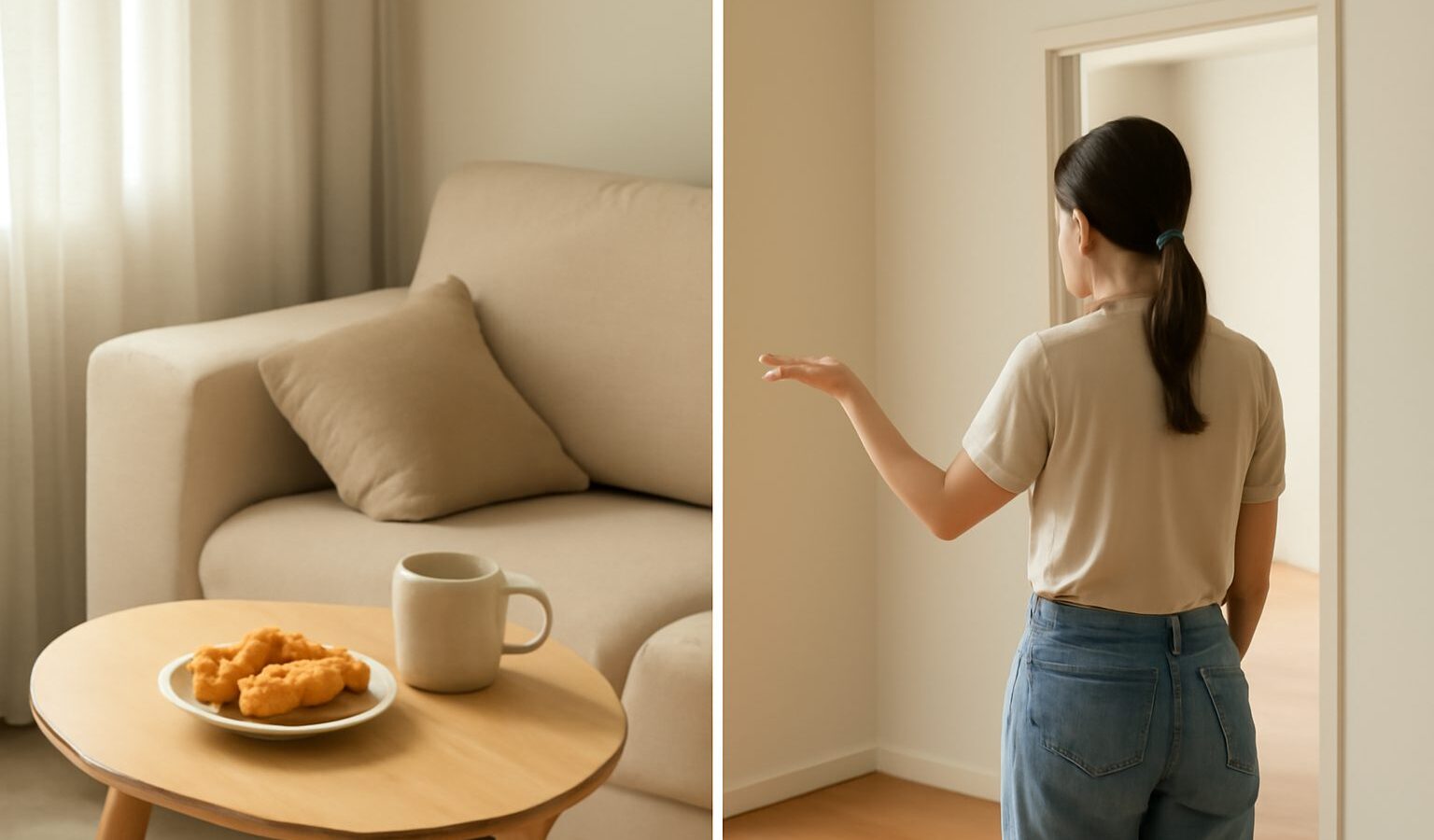
One of the first decisions you face as a landlord, and one of the first things a tenant looks for, is how a home is fitted out. The question of furnished vs unfurnished in Singapore shapes your rent, your upkeep, and the kind of tenant you attract. There is no single right answer. The best choice depends on your property, your target market, and how hands-on you want to be. This guide walks through the trade-offs in plain terms so you can decide with your eyes open.
What the terms actually mean
In the local market these labels sit on a spectrum rather than in neat boxes, so it helps to be precise in your listing.
- Unfurnished usually still includes fixed items: built-in wardrobes, kitchen cabinets, the hood and hob, and sometimes air-conditioning and lighting. Truly bare units are rare in Singapore. What is missing is loose furniture and appliances.
- Partially furnished typically adds the big appliances a tenant cannot easily bring, such as a fridge, washing machine, and air-conditioners, plus some fixtures.
- Fully furnished means the tenant can move in with a suitcase: beds, sofa, dining set, curtains, and a working kitchen are all provided.
Because buyers of a rental service read these words differently, spell out exactly what stays and what goes. A clear inventory attached to the lease saves arguments later, which matters just as much when you are creating a tenancy agreement.
The case for furnishing
Furnishing tends to widen your pool of tenants. Expatriates on shorter postings, students, and people relocating in a hurry often want a home that is ready to live in, because shipping or buying furniture for a two-year stay makes little sense to them. A well-presented furnished home also photographs better, which helps your listing stand out when you advertise it.
Furnishing can support a higher asking rent, though how much more depends entirely on your area, unit, and the current market, so test it rather than assume a fixed premium. The flip side is real, however. You pay upfront for the furniture, you replace it as it wears out, and you carry the risk of damage beyond fair wear and tear. A fridge that dies mid-lease is your problem to fix promptly. If you enjoy styling a space and can absorb these costs, furnishing may reward you.
The case for leaving it unfurnished
An unfurnished or lightly furnished home suits tenants who plan to stay for years and want to make the place their own, such as local families and long-term residents. These tenants often treat the home with more care because their own belongings are in it, and they tend to renew, which reduces your vacancy gaps and turnover costs.
Your outlay is lower and your maintenance list is shorter. With fewer appliances and no loose furniture to track, there is less to inspect, repair, and replace. That simplicity can make the numbers work even if the headline rent is a little lower. When you sit down to set the right rent for your property, factor in these ongoing savings, not just the monthly figure.
Costs, wear, and the deposit
Whatever you provide, the condition report is your friend. Photograph and list every furnished item at the start of the tenancy, note its condition, and refer to that record at the end. This protects both sides and keeps the return of the deposit fair and drama-free. If you want to understand how deposits are handled sensibly, our guide to a landlord’s guide to the rental deposit covers the ground.
Remember that furniture and appliances age. Air-conditioners need regular servicing, mattresses and sofas have a lifespan, and white goods fail eventually. Build a small reserve for replacements so a broken appliance does not upend your budget. Treat these as normal running costs of a furnished rental rather than surprises.
Matching the setup to your property and market
Think about who is most likely to rent your specific home. A compact city-fringe unit near the business district may lean furnished because it appeals to mobile professionals. A larger suburban flat near schools may do better unfurnished for a settled family. Look at comparable listings in your building or estate to see what tenants in your area expect, then position your home to meet that demand rather than fighting it.
You can also meet the market halfway. Offering a home unfurnished but with the option to add appliances, or leaving some quality pieces while removing personal clutter, gives tenants flexibility without committing you to a full fit-out.
A practical way to decide
Whichever route you choose, a few housekeeping points apply to every Singapore landlord. Stamp your lease and pay the duty to IRAS, declare your rental income to IRAS, and screen prospective tenants lawfully and without discrimination. These obligations do not change with the furnishing level. For a broader view of the role, our overview of being a landlord in Singapore sets out what the job involves.
There is no universal winner in the furnished versus unfurnished debate. Weigh your target tenant, your appetite for upkeep, and your budget for furniture and repairs, then commit to a clear, well-documented offer. This article is general information to help you think it through, not tailored advice. For questions about your lease, your tax obligations, or a specific dispute, check the current guidance on the IRAS website and speak to a qualified property agent who is CEA-registered, or a lawyer where a legal issue is involved.