
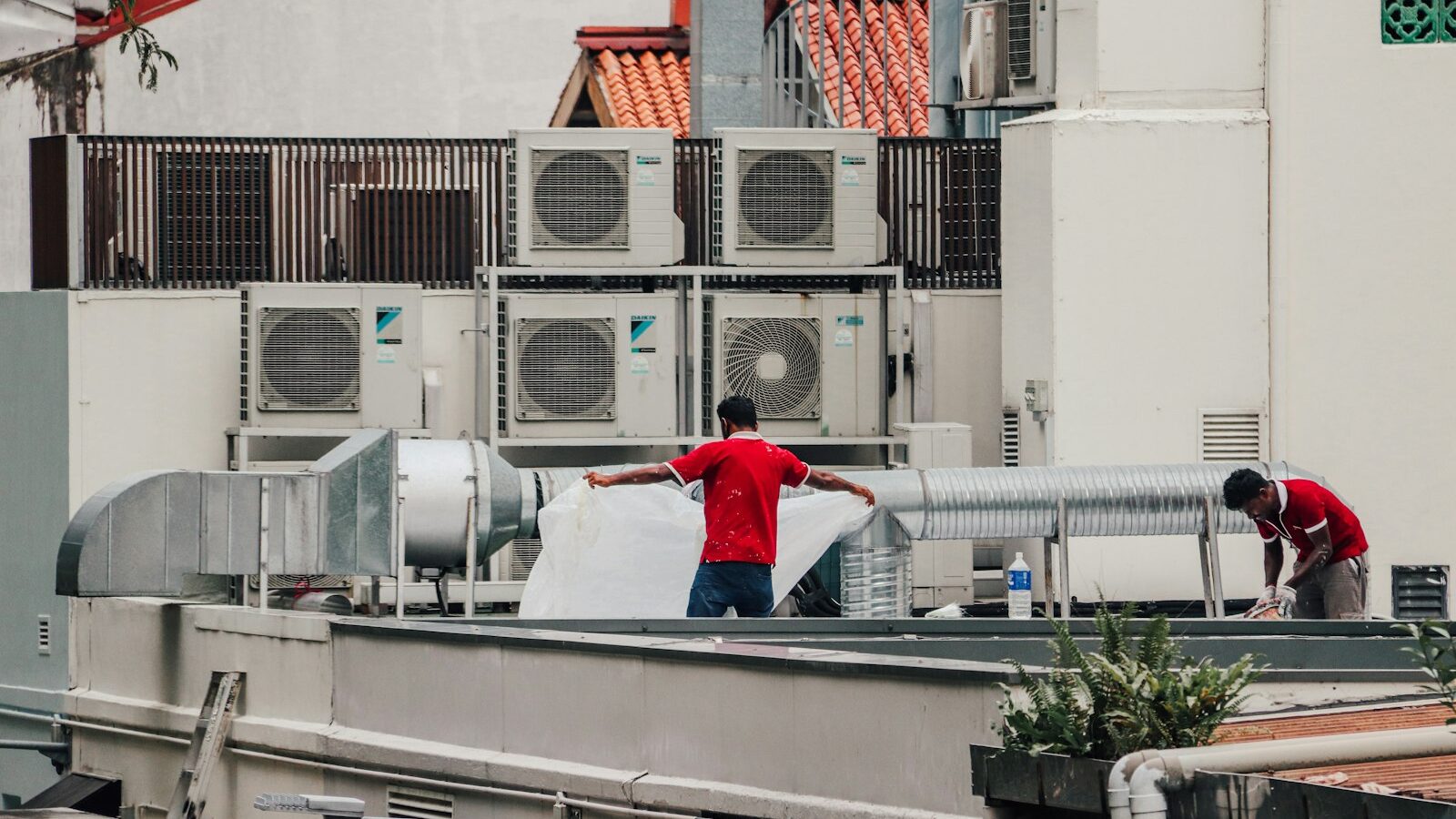
A dripping tap, a fridge that stops cooling, an air conditioner that only blows warm air. When something breaks in a rented home, the first question is rarely how to fix it. It is who should pay. Rental repairs Singapore tenants and landlords argue over are among the most common sources of friction during a tenancy, and most of the confusion comes from not reading the tenancy agreement closely before signing. This guide sets out how repair duties are usually divided, what the standard clauses mean, and how to handle a breakdown calmly so a small fault does not turn into a deposit dispute at the end of your lease. This is general information, not legal advice.
Why Repairs Cause Friction in Singapore Rentals
There is no single national rulebook that assigns every repair to the tenant or the landlord. Instead, your responsibilities come almost entirely from the tenancy agreement you both signed. Because these agreements are drafted privately, the wording varies from home to home, and a clause that seems minor can shift real costs onto you.
Most homes here come at least partly furnished, so the agreement also has to cover appliances, fittings and furniture, not just the structure. Add the humid climate, which is hard on air conditioners and prone to mould, and you have plenty of things that wear out during a normal tenancy. Knowing where the line falls before anything breaks saves stress and money later.
What Landlords Usually Handle
Landlords are generally responsible for the property itself and for keeping it in a fit condition to live in. In a typical agreement this includes:
- Structural issues such as the roof, external walls, ceilings and flooring.
- Major plumbing and the main water and gas supply.
- The electrical wiring and the distribution board.
- Built in fixtures the landlord provided, and any furniture or appliances listed in the inventory when they fail through normal use rather than misuse.
- Problems that existed before you moved in.
For a strata property such as a condominium, some issues fall to the management corporation rather than the landlord, for example common area leaks. Your landlord would raise those with the managing agent. If you rent an HDB flat, both you and your landlord remain bound by HDB subletting rules, so check the current requirements on the HDB website.
What Tenants Usually Handle
Tenants are usually expected to keep the home clean, use it sensibly and take care of small, day to day upkeep. Common tenant duties include:
- Minor repairs and replacements up to a capped amount per item, if the agreement contains a minor repairs clause.
- Routine servicing of the air conditioners, often at a set interval stated in the lease.
- Replacing consumables such as light bulbs and worn tap washers.
- Fixing damage caused by your own negligence or that of your guests.
- Reporting faults promptly so they do not get worse.
The servicing point matters in our climate. Many agreements require regular aircon maintenance and make the tenant liable if a unit fails because servicing was skipped. Keep the receipts.
The Minor Repairs Clause and Fair Wear and Tear
Two phrases do most of the heavy lifting in a repair dispute. The first is the minor repairs clause. It typically says the tenant pays for repairs up to a fixed sum per item per incident, and the landlord covers anything above that. The exact figure is negotiable and is written into your agreement, so read it and confirm the amount before you sign rather than assuming a standard number.
The second is fair wear and tear. This is the gradual, expected deterioration that happens when someone lives in a home normally, such as slightly faded paint or a carpet that has softened underfoot. You are generally not liable to restore fair wear and tear at the end of the lease. You are liable for actual damage, such as a cracked basin or a burn mark. The distinction often decides how much of your deposit comes back, so a detailed move in inventory with dated photos is your best protection.
Who Typically Handles What
The table below shows how responsibilities are commonly split. Treat it as a general guide only. Your own tenancy agreement always overrides these norms, so confirm each item in writing.
| Repair or task | Usually the tenant | Usually the landlord |
|---|---|---|
| Blown light bulb or worn tap washer | Yes | No |
| Routine air conditioner servicing | Yes | No |
| Minor repair under the clause cap | Yes | No |
| Major plumbing or wiring fault | No | Yes |
| Appliance failure from normal use | No | Yes |
| Structural or pre existing defect | No | Yes |
| Damage from tenant negligence | Yes | No |
Steps to Take When Something Breaks
A calm, documented approach protects both sides and usually resolves things faster.
- Make the area safe. If there is a water leak or an electrical fault, switch off the supply at the main first.
- Check your agreement. Find the repair and servicing clauses so you know who is likely responsible and up to what amount.
- Notify your landlord or agent in writing. A message or email creates a dated record. Include photos and a clear description.
- Agree who arranges and pays before work starts. Get this in writing to avoid a reimbursement dispute later.
- Use a competent contractor and keep every receipt and warranty.
- If it is urgent and affects safety or habitability, act reasonably to prevent further damage and keep the landlord informed.
If you and your landlord cannot agree, you can seek help through community mediation or, for smaller money claims, the Small Claims Tribunals. For anything significant, consider getting legal advice from a qualified lawyer.
What to Check Before You Sign
Prevention starts at signing. Before you commit, go through the home with the landlord or a CEA registered agent and:
- Complete a written inventory that lists every appliance and its condition, with dated photos.
- Read the minor repairs clause and confirm the cap and what counts as a minor repair.
- Confirm the aircon servicing interval and who pays for it.
- Ask that any existing defects are recorded so you are not blamed for them later.
- Note who to contact for repairs and how quickly issues will be attended to.
If you are unsure whether a clause is fair, it is worth asking questions before signing rather than after a fault appears. A clear agreement is the single best way to avoid a rental repairs dispute.
Explore more
For more on your wider duties and protections during a lease, read our guide to tenant rights and responsibilities. If a repair dispute is really about getting your deposit back or moving on, see renewing or ending a tenancy. And if you are still searching, our guide on how to find a rental home covers what to check before you commit.