
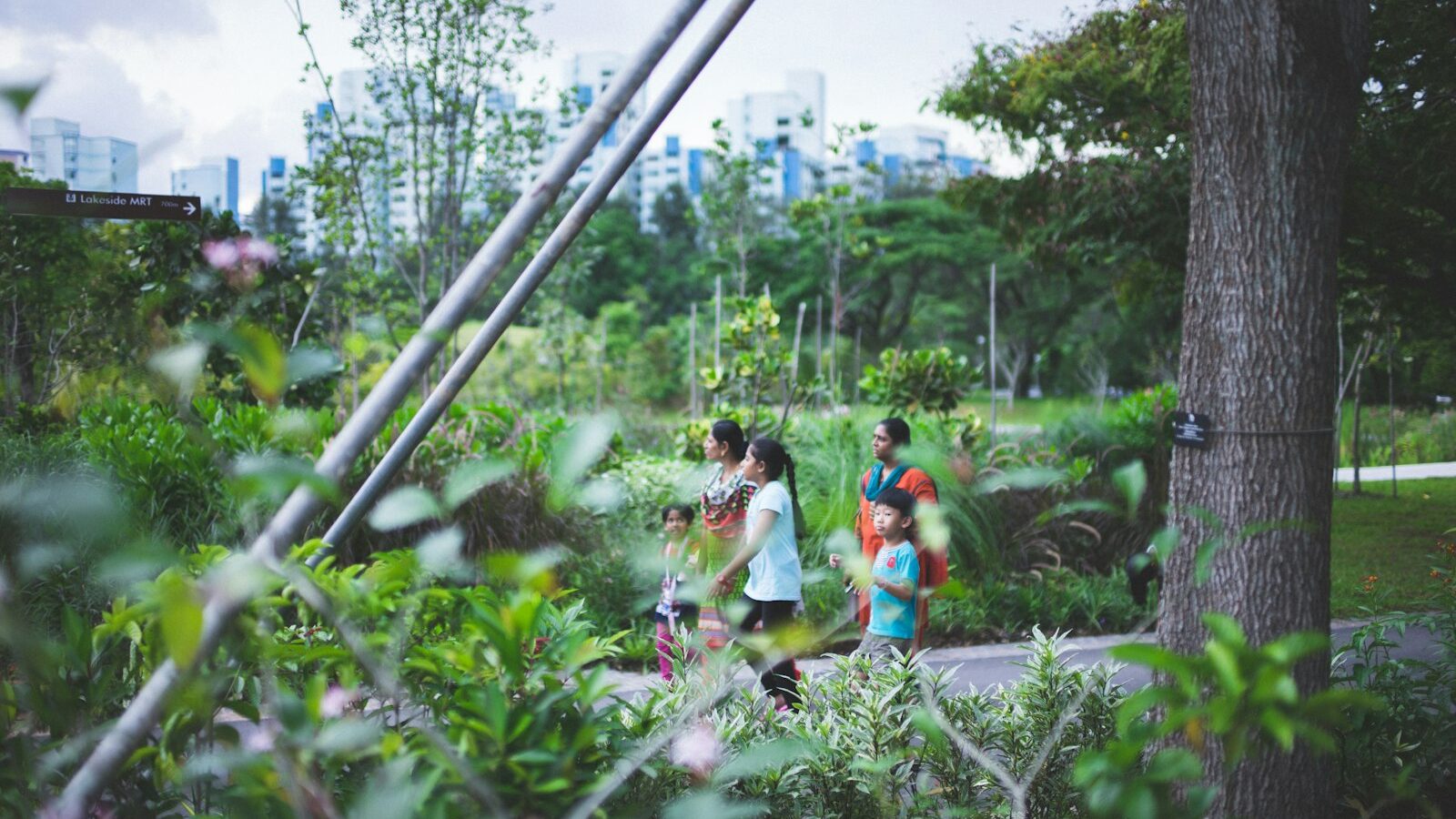
You do not need a landed house or a big garden to grow your own greenery, and hdb gardening singapore residents practise it beautifully all across the island. Step into any housing block and you will spot pots of herbs by kitchen windows, leafy vines climbing balcony railings, and rows of chillies brightening a corridor. Growing plants in a flat is calming, rewarding, and surprisingly productive once you understand the tropical climate. This guide is for newcomers from mainland China who want to bring a little green into a compact home, covering where to grow, what to plant, how to care for it in the heat, and how to keep it safe and neighbourly.
Where you can grow in a flat
Most flats offer a few natural spots for plants. A service balcony or main balcony is ideal, as it gets light and air while keeping water off your living space. A kitchen or bedroom window ledge suits small pots of herbs that you use often. The common corridor outside your front door is a popular spot too, and many residents line it with potted plants, but this space comes with responsibilities that we will cover below.
Think about light before you choose plants. Singapore sits near the equator, so daylight is strong and consistent year round, but a corridor or a north-facing window may still be shady. Watch how the sun moves across your chosen spot for a day or two. Full sun for several hours suits fruiting plants and many herbs, while a shadier ledge is better for leafy greens and foliage plants that scorch in harsh light.
Easy edibles and herbs for beginners
The joy of growing your own food is that you can snip fresh leaves straight into the wok. Several edibles thrive in the tropical heat and forgive beginner mistakes.
Leafy greens such as kangkong (water spinach), Chinese spinach (bayam), and lettuce grow quickly and can be harvested young. Herbs are especially rewarding in a small space: spring onion regrows from kitchen scraps, while mint, basil, Thai basil, coriander, and curry leaves reward you with flavour for the kitchen. Chilli plants love the sun and produce for months once established. Pandan, a fragrant local favourite, grows into a hardy clump and perfumes desserts and rice. If you have a sunny balcony, cherry tomatoes and small aubergines are satisfying to grow.
Start with two or three plants rather than a whole nursery. It is easier to learn the rhythm of watering and feeding a few pots than to juggle a crowded balcony that quickly becomes a chore.
Here is a quick starter guide to match plants with the light you have.
| Light level | Good choices | Notes |
|---|---|---|
| Full sun, several hours | Chilli, cherry tomato, basil | Water more often in heat |
| Part sun | Spring onion, mint, pandan | Reliable and forgiving |
| Shade or bright indirect | Leafy greens, foliage plants | Avoid harsh midday sun |
Caring for plants in the tropics
The tropical climate is a gift and a challenge. Warmth means fast growth, but heat also dries out pots quickly. Water is your main daily task. In hot, dry spells you may need to water once or even twice a day, especially small pots that heat up fast. Push a finger into the soil; if the top feels dry, it is time to water. Water in the early morning or the evening rather than the midday sun, so less evaporates and roots are not shocked.
Good drainage keeps roots healthy. Choose pots with holes at the bottom, use a light potting mix rather than heavy garden soil, and never let a pot sit in a saucer full of stagnant water. Standing water is a serious concern in Singapore because it can breed mosquitoes, so empty saucers and trays regularly and do not leave water pooling anywhere. This is a genuine public health matter, not just tidiness.
Feed your plants lightly with a suitable fertiliser or compost, follow the instructions, and do not overdo it. Watch for pests such as aphids and caterpillars, and remove them early by hand or with gentle, garden-safe methods. Trim dead leaves to keep plants healthy and tidy.
Corridor safety and being a good neighbour
Growing plants along the common corridor is a lovely tradition, but the corridor is shared space and a fire escape route, so a few rules keep everyone safe. Never block the walkway. Keep a clear, unobstructed path so that residents, and emergency responders, can pass easily. Do not place pots where they could be knocked over or where they crowd the corridor.
Be very careful with pots on ledges, parapets or anywhere they could fall. A pot dropping from height is extremely dangerous, so keep plants safely inside your own space and never on an outer ledge above the ground. Water your corridor plants gently so that water does not drip onto the flat below or onto passers-by, and wipe up any spills so the floor is not slippery.
Being considerate keeps the peace with neighbours. Avoid strong-smelling fertilisers in shared areas, keep your display neat, and remember that not everyone loves a jungle outside their door. Follow the guidance from NParks and HDB on what is allowed in common areas, and when in doubt, keep it modest and safe.
Grow with the community
If your flat is short on light or space, Singapore’s community gardens are a wonderful option. Under the Community in Bloom initiative supported by NParks, residents come together to grow edibles and flowers in shared plots around housing estates. Joining one gives you room to grow, gardening friends who share tips, and a gentle way to settle into your neighbourhood. For a newcomer, it is also a warm, low-pressure way to practise English and meet locals over a shared love of plants.
Bringing it home
Starting hdb gardening singapore style is one of the easiest ways to make a flat feel like home. Begin with a few forgiving herbs or leafy greens, match your plants to the light you have, water thoughtfully in the tropical heat, and always empty standing water to keep mosquitoes away. Keep corridor displays safe, tidy and neighbourly, and lean on NParks and HDB guidance when you are unsure. Whether it is a single pot of basil on the windowsill or a shared plot in a community garden, growing your own greenery brings a little calm and a lot of flavour into everyday life in Singapore.