
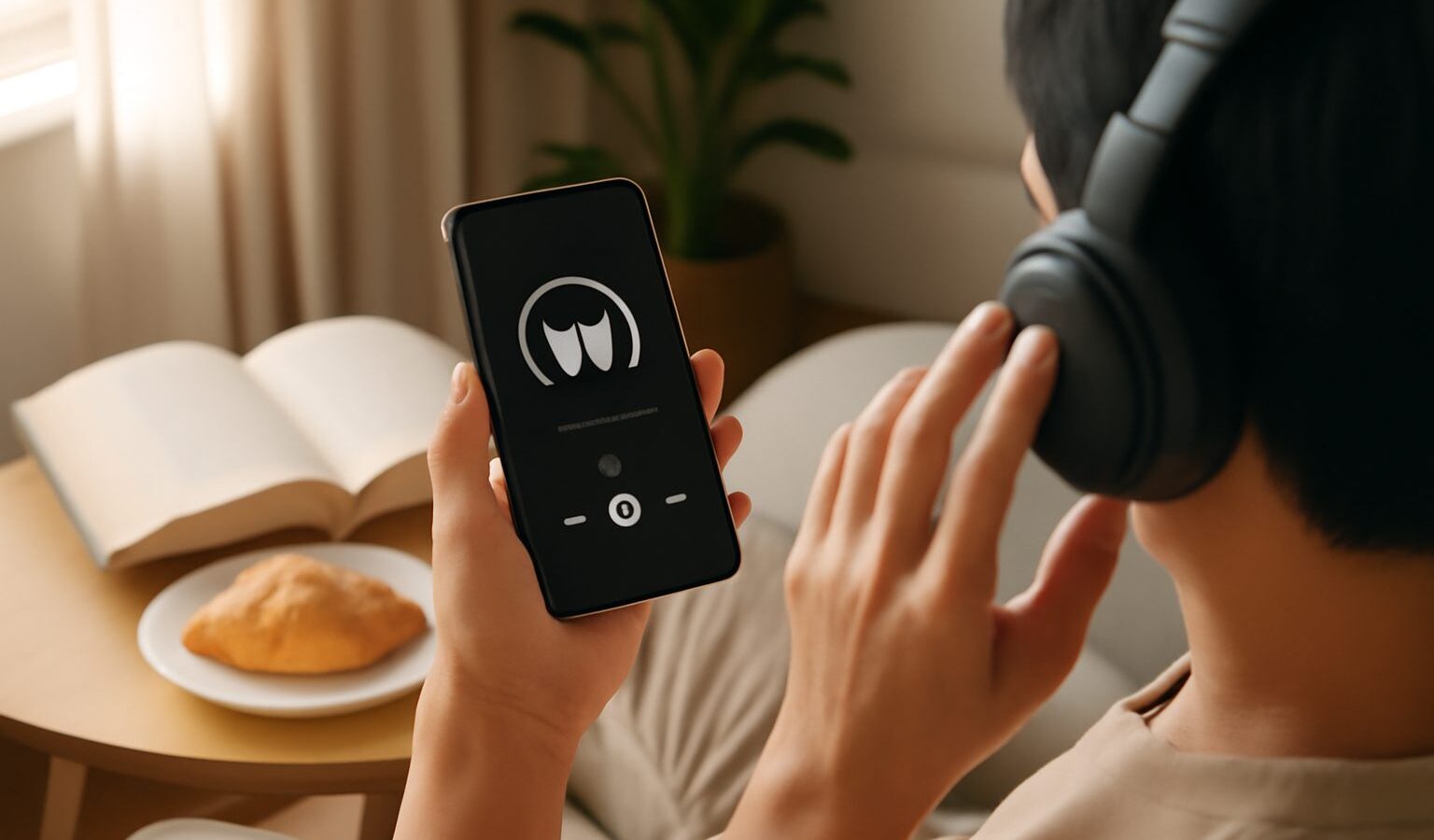
If your reading pile keeps growing but your free time keeps shrinking, audiobooks might be the happiest discovery you make this year. Getting into audiobooks in Singapore is easier and more affordable than many people realise, and it opens up reading time in the gaps of a busy day: the MRT commute, a walk in the park, the washing up. This guide explains how audiobooks work, where to find them legally, and how to turn listening into a habit you look forward to.
What Audiobooks Are and Why People Love Them
An audiobook is simply a book read aloud and recorded, usually by a professional narrator or sometimes by the author. You listen through a phone, tablet, computer, or smart speaker, often using a dedicated app that remembers your place, lets you adjust the speed, and sets a sleep timer.
People love audiobooks for very human reasons. They make it possible to enjoy stories while doing something else, which means more books finished over a year. A skilled narrator brings characters to life with accent, timing, and warmth, turning a good book into a performance. For anyone who finds long stretches of print reading tiring, or who simply absorbs stories better by ear, audiobooks can be a genuine gateway back into reading for pleasure.
It is worth saying plainly: listening to a book counts as reading. You are engaging with the same story, ideas, and language. Many devoted readers happily mix print, ebooks, and audio depending on the moment.
Where to Listen Legally in Singapore
The single best starting point is the National Library Board. Its digital apps let members borrow audiobooks for free, which means you can sample many titles and narrators without spending a cent. All you need is a library membership and a compatible device. Because it is free and generous, this is the ideal way to test whether audiobooks suit you before committing to anything paid.
Beyond the library, several commercial audiobook services operate on subscription or per-title purchase models, and some general streaming and music platforms now include audiobook catalogues too. These are convenient and offer huge libraries, though they come at a cost, so compare what each includes before subscribing. Our rundown of streaming services compared for Singapore is a useful companion when you are weighing up monthly plans.
A gentle but important note on copyright: always use legitimate library apps and licensed services. Pirated audiobook files short-change the authors and narrators who made the work, and supporting them legally keeps the whole ecosystem healthy. The good news is that with free library access, there is rarely any reason to go looking elsewhere.
Choosing Your First Audiobook
The narrator matters enormously, so treat the sample clip as your friend. Most apps let you preview a few minutes before you commit, and a voice you enjoy can make an ordinary book delightful, while a voice that grates can spoil a favourite. Listen to a sample before you borrow or buy.
For your first listen, pick something that plays to the format’s strengths. Memoirs read by their authors are often wonderful, because you hear the story in the real voice behind it. Character-driven fiction, humour, and clearly structured non-fiction all tend to work well by ear. Dense, footnote-heavy books or titles with lots of diagrams are trickier to follow through audio alone, so save those for print.
If you are rebuilding a reading routine from scratch, audio can be the easiest on-ramp of all. Our guide to building a reading habit in Singapore pairs naturally with a pair of earphones and a borrowed audiobook.
Building a Listening Habit
The trick to audiobooks is anchoring them to something you already do. Try listening during your commute, while cooking, on a walk, or during a gym session. Because the story travels with you, those pockets of time add up quickly across a week.
A few practical habits help:
- Experiment with playback speed. Many listeners find that a slightly faster pace feels natural once they are used to it, though there is no prize for rushing.
- Use bookmarks and notes if the app supports them, especially for non-fiction you want to revisit.
- Do not be afraid to relisten to a section if your mind wandered. It happens to everyone.
- Keep a next-up title queued so you always have something ready.
Audiobooks also make classic literature far more approachable, since a good narrator can carry you through older prose that might feel daunting on the page. If that tempts you, our introduction to getting into classic literature suggests welcoming places to begin.
Sharing the Experience
Listening can be social too. Discussing what you have heard with friends or a reading group deepens the enjoyment, and audiobooks are a great equaliser because everyone experiences the same performance. If you would like company on the journey, consider joining a book club in Singapore, where audio listeners are just as welcome as print readers.
As always, library catalogues and subscription line-ups change over time, so check current availability and pricing yourself before you settle on a service. Start with a free library borrow, find a narrator you love, and let the stories fill the quiet corners of your day.