
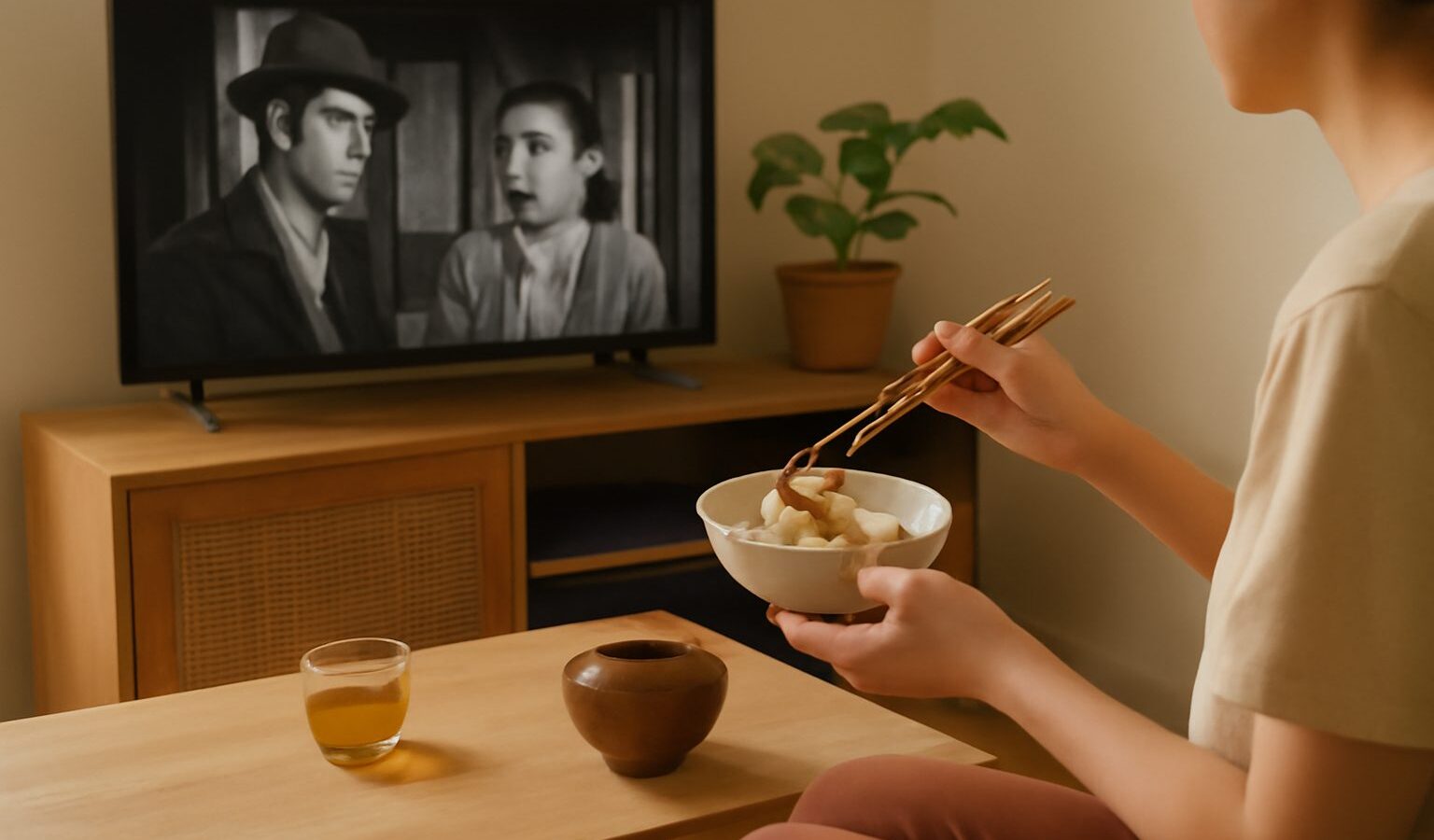
Japanese cinema is one of the richest film traditions in the world, and it rewards curiosity in a way few others do. If you have only ever met it through anime or a single festival title, there is a whole century of storytelling waiting for you. This guide is a friendly map for Singapore viewers who want to start exploring with confidence.
Why Japanese Cinema Is Worth Your Time
Japan built a film industry early and never stopped experimenting. Its directors have shaped how films everywhere are framed, paced and edited. When you watch a modern thriller or a prestige drama, you are often seeing techniques that Japanese filmmakers helped refine decades ago.
Just as importantly, these films offer a window into a culture that values patience, texture and quiet emotion. A Japanese film will often let a scene breathe, trusting you to notice a glance or a change in the weather. Once you tune into that rhythm, a lot of other cinema starts to feel rushed.
Anime Is Not the Whole Story
Anime is a genuine and important part of Japanese film culture, and Studio Ghibli in particular has introduced millions of people worldwide to Japanese storytelling. Films by Hayao Miyazaki are a wonderful gateway, full of warmth and imagination.
But live action Japanese cinema is a separate, equally deep tradition. Treating the two as one thing sells both short. Think of anime as one beloved neighbourhood in a very large city. This guide focuses mostly on the live action side, since that is the part newcomers tend to overlook.
The Great Classical Era
The 1950s are often called the golden age of Japanese film, and it is a superb place to begin. Three directors tower over the period, and each offers a different door into the tradition.
Akira Kurosawa is the most famous internationally. His samurai films and dramas are dynamic, humane and visually bold. Yasujiro Ozu worked in a gentler register, telling family stories with a still camera and enormous emotional depth. Kenji Mizoguchi crafted flowing, elegant films that often centred on the lives of women.
Watching one film from each of these directors gives you three very different flavours of Japanese storytelling, and helps you discover which sensibility speaks to you.
Key Movements to Know
Japanese cinema is not one style but many. A rough sense of its movements helps you understand what you are watching.
- Golden age drama: the humanist studio films of the 1950s and early 1960s.
- Japanese New Wave: bolder, more rebellious work from the 1960s that challenged social norms and studio conventions.
- Genre cinema: samurai films, yakuza thrillers and monster films, which are hugely entertaining and often smarter than their reputation.
- Contemporary auteur cinema: modern directors making quiet, deeply observed dramas for a global audience.
- Horror: a distinctive tradition of atmospheric, psychological dread that influenced films worldwide.
You do not need to study these in order. Simply knowing they exist makes it easier to follow your interests.
A Simple Starting Map
Different viewers enjoy different entry points. Use the table below to match your taste to a direction, then follow your curiosity from there.
| If you enjoy | Try this corner of Japanese cinema | Why it fits |
|---|---|---|
| Sweeping action and adventure | Classic samurai films | Grand storytelling with real emotional weight |
| Quiet, character led drama | Golden age family films | Patient, tender and beautifully observed |
| Gorgeous animation | Studio Ghibli and related work | Imaginative worlds with heart |
| Tension and unease | Japanese horror | Mood and suggestion over shock |
| Modern, understated stories | Contemporary auteur dramas | Realistic, humane and gently moving |
Contemporary Directors Keeping the Tradition Alive
Japanese cinema did not stop being great after the golden age. Modern directors such as Hirokazu Kore-eda continue the humanist tradition, making tender films about families and the ties that hold them together. Others work in animation, horror or genre thrillers, keeping the industry varied and alive.
Following a living director is rewarding because you can watch their career unfold and revisit earlier work with fresh eyes. Pick one contemporary name whose style appeals to you and treat their films as a personal reading list.
How to Actually Start Watching
The biggest barrier is usually not taste but access and habit. A few practical tips make the journey smoother.
Start With One Film, Not a Syllabus
Choose a single well regarded title that matches your mood and simply watch it. You do not need to understand the whole history of Japanese cinema before you press play. Understanding grows naturally with each film.
Read Subtitles Actively
Subtitles are your friend, not a chore. Give the film your full attention rather than treating it as background viewing. The dialogue, once you settle in, becomes effortless.
Keep Gentle Notes
Jot down what you loved, what confused you and which director made it. Over a few months this becomes a personal guide to your own taste, and it helps you choose your next film.
Watch With Others
Japanese films are wonderful to discuss. Sharing them with friends turns a solo hobby into a conversation, and other people notice things you miss.
A Few Gentle Reminders
Do not worry about watching the canonical films in the correct order or having sophisticated opinions. The point is enjoyment and discovery, not a test. Some films will not click, and that is completely normal. Move on and try something else.
Give the slower films a fair chance. Their rewards often arrive in the final act, once all the quiet groundwork pays off. Patience is the single most useful skill for this tradition.
Your Next Step
Getting into Japanese cinema is less a project and more a long, pleasurable habit. Start with one director from the golden age, add a Ghibli film for balance, then let your instincts guide the rest. Before long you will have favourites, opinions and a growing list of films you cannot wait to share. Welcome to one of cinema’s great traditions.
Explore more: How to Get Into World Cinema in Singapore · The Art of Film Appreciation · Where to Watch Classic Films in Singapore