
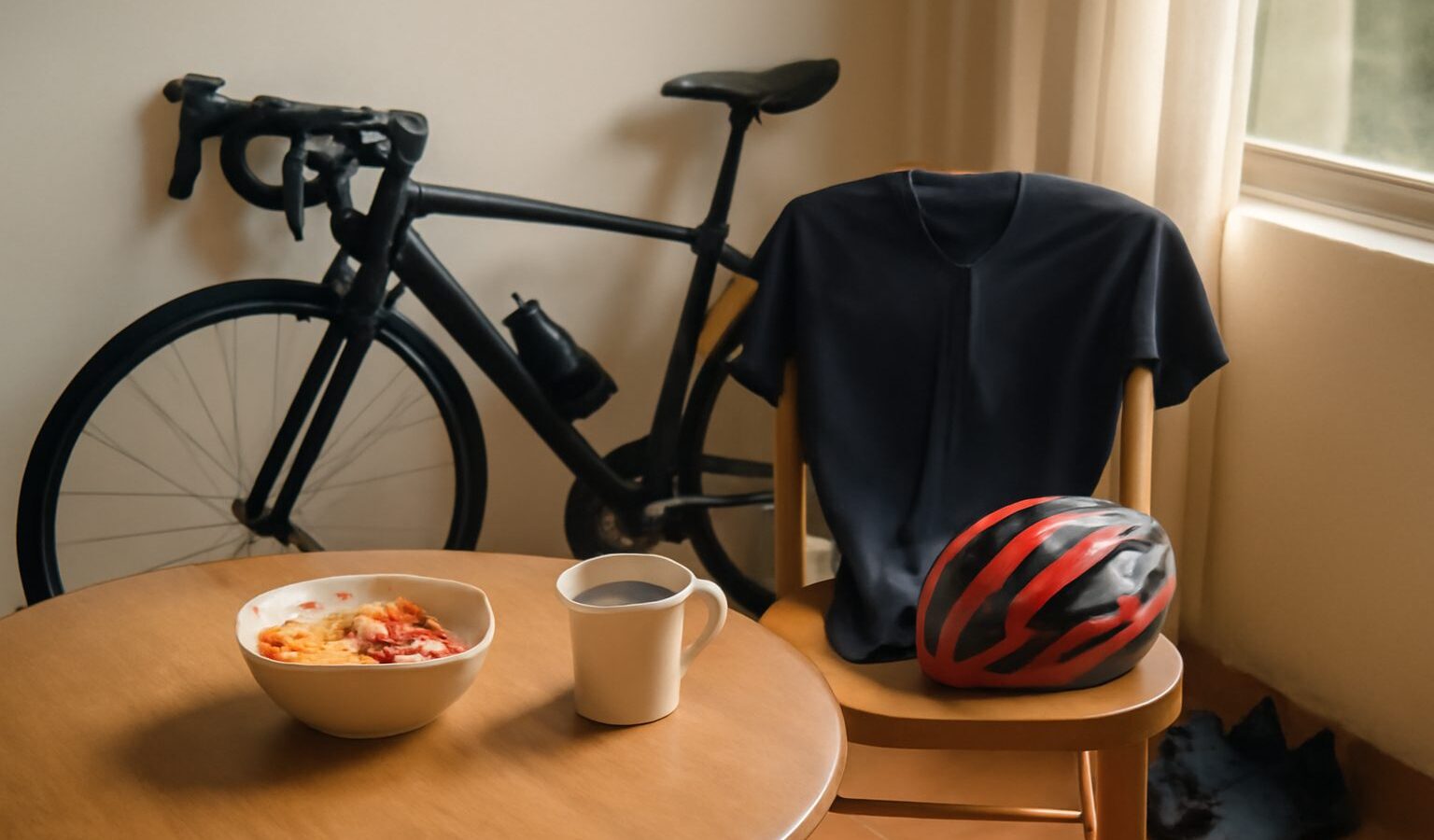
Triathlon has a reputation for being the preserve of the super fit, but the truth is far friendlier. Triathlon in Singapore welcomes ordinary people who simply enjoy moving in three ways, and the country’s compact size, warm water, and active community make it a surprisingly natural place to start. If the idea of swimming, cycling, and running back to back excites you even a little, you already have the most important ingredient. This guide breaks down the sport, the gear you actually need, how to train around our climate, and how to reach your first finish line without burning out along the way.
First, a word on safety: this is general information, not medical or coaching advice. Triathlon asks a lot of the body across three disciplines, so if you are new to exercise, older, returning after a break, or managing any health condition, consult a doctor before starting. Progress gradually, warm up properly, and never ignore warning signs from your body.
Understanding the Three Disciplines and Race Distances
A triathlon strings together a swim, a bike, and a run, in that order, with transitions in between. The beauty of the sport is variety: the three disciplines share fitness but stress the body differently, so training stays fresh and one weak sport rarely ends your day. For most newcomers, the smart entry point is a short-format race that feels achievable rather than daunting.
Distances scale up as you gain experience. Here is a rough map of the common formats so you can picture where to begin:
| Format | Rough scale | Best for | Typical commitment |
|---|---|---|---|
| Super sprint | Very short across all three | Absolute first-timers | A few hours a week |
| Sprint | Short and manageable | Building confidence | A handful of sessions weekly |
| Standard (Olympic) | Double the sprint | Comfortable finishers stepping up | A structured weekly plan |
| Longer formats | Endurance distances | Experienced athletes | Significant, months-long build |
Treat these as illustrative rather than exact. Actual distances vary by event, so always check the specific race details when you sign up. The point is simple: start short, enjoy the process, and let ambition grow from success rather than forcing it.
Gear You Actually Need to Begin
One myth keeps beginners on the sidelines: the belief that triathlon demands thousands of dollars of equipment. It does not. You can start with borrowed or basic kit and upgrade only once you know you love the sport. The essentials are modest.
- Swim: Goggles, a comfortable swimsuit or trisuit, and a swim cap. In open water, a brightly coloured cap and a tow float add visibility and reassurance.
- Bike: Any roadworthy bike in good condition to begin, plus a helmet, which is non-negotiable. A basic repair kit and lights round it out.
- Run: A pair of running shoes that fit well and suit your gait. This is the one area worth getting right early to protect your joints.
- Transitions: Elastic laces and a small towel make life easier, but nothing here needs to be fancy.
As you progress, a dedicated trisuit that you can swim, ride, and run in without changing becomes a genuine convenience. Until then, keep it simple and spend your energy on training rather than shopping.
Training Around Singapore’s Climate and Facilities
Singapore gives triathletes a lot to work with. ActiveSG and Sport Singapore run public pools, stadiums, and sports facilities across the island, and the ActiveSG app is the usual way to check and book slots, though availability and fees change, so confirm current details before you go. Park Connectors and coastal paths open up cycling and running routes, and there are calm spots suited to learning open water skills under proper supervision.
The heat and humidity are the defining challenge. Your body works harder to cool itself here, which affects pace, hydration, and recovery. A few principles help:
- Train early or late. Cooler parts of the day are safer and more comfortable.
- Hydrate deliberately. Drink before, during, and after sessions, and respect how much you sweat.
- Build gradually. Add volume slowly across all three sports to let tendons and joints adapt.
- Prioritise recovery. Sleep and easy days are where fitness consolidates, especially in the heat.
- Practise transitions. Moving between disciplines is a skill; a little rehearsal saves time and stress on race day.
Open water swimming deserves special care. It feels different from the pool, so learn the skills progressively, ideally in a supervised setting, and never swim alone in open water. If you feel unwell, dizzy, or unusually exhausted in any session, stop. For persistent pain, or red-flag signs such as chest discomfort, severe swelling, or numbness, see a doctor or physiotherapist rather than pushing on.
Structuring Your Weeks and Reaching the Start Line
A sustainable beginner plan is less about intensity and more about consistency. Aim to touch each of the three sports across a typical week, keeping most sessions comfortable enough to hold a conversation, with only occasional harder efforts once a base is in place. A simple rhythm might include a couple of swims, a couple of rides, a couple of runs, and at least one full rest day, adjusted to your life and how you feel. Missing a session is not failure; stringing weeks together is what builds a triathlete.
As race day nears, ease back your training volume so you arrive fresh rather than fatigued. Rehearse your race-morning routine, lay out your gear the night before, and remind yourself that finishing, not racing the clock, is the only goal that matters for a first event. Nerves at the start line are normal and usually melt away once you are moving.
Finding Races and Your Triathlon Community
Half the joy of triathlon is the people. Training partners keep you accountable, share hard-won tips, and turn early mornings into something to look forward to. Singapore has an active multisport scene with clubs and groups that welcome beginners, and many run gentle sessions where you can learn the ropes without pressure. Community clubs and ActiveSG programmes are a good place to look for structured, beginner-friendly activity.
When you are ready to commit, choose a first race that suits your level and give yourself enough runway to prepare. Sign-up windows, dates, and fees vary, so check the official event information and confirm current details before you plan around any race. Then trust your training, enjoy the day, and savour that first finish line. It tends to be the start of something, not the end.
Explore more
Swimming is often the most unfamiliar leg, so start with our guide to open water swimming in Singapore. Build your run with training for your first 5K in Singapore, and when you feel ready to commit to an event, our guide to signing up for races and sports events in Singapore walks you through the practical steps.