
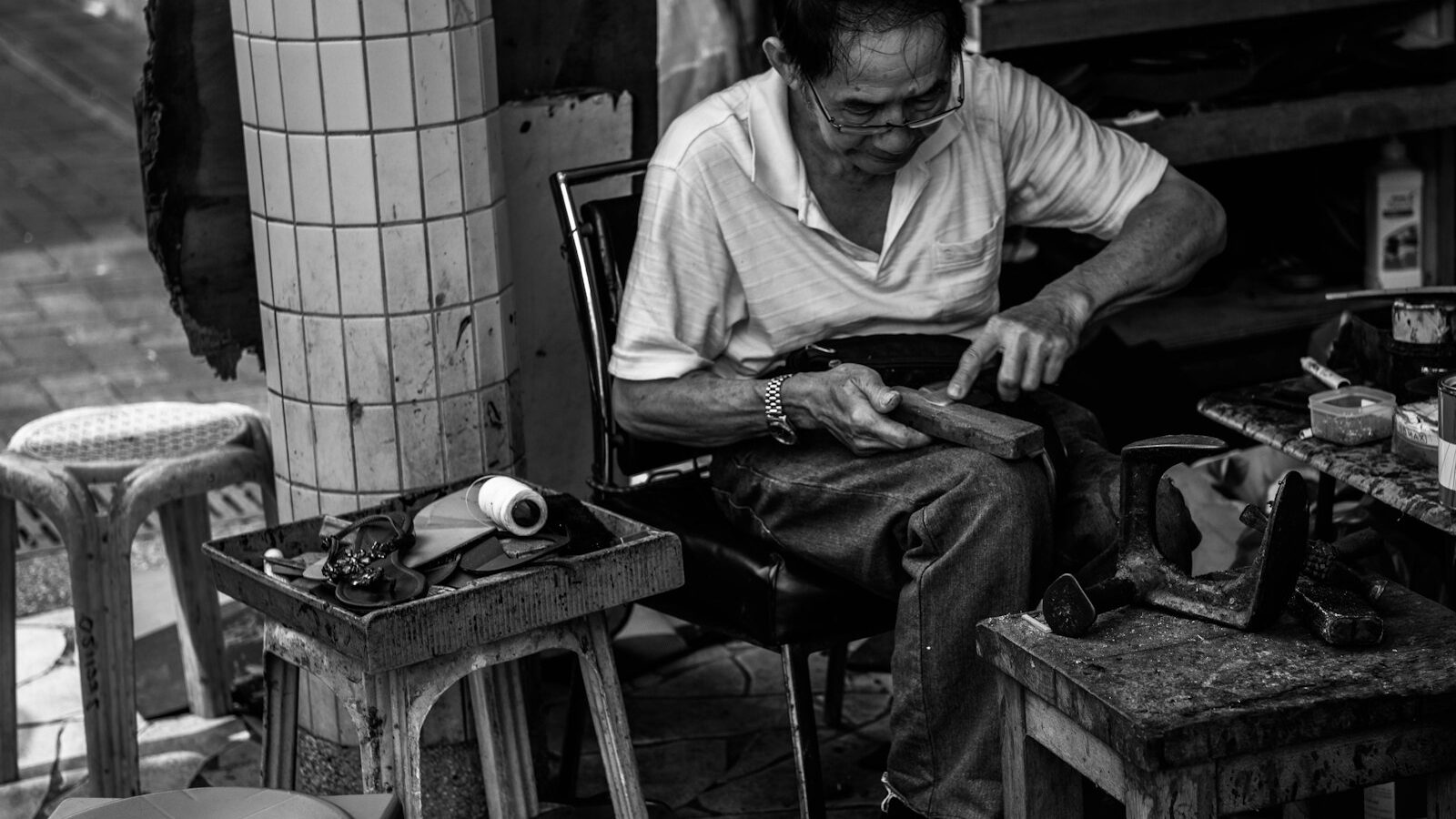
A worn heel or a flapping sole does not mean a favourite pair is finished. Shoe repair in Singapore is alive and well, from old-school cobblers at void decks to tidy counters inside shopping malls, and a good repair often costs a fraction of replacing the shoes. Here is how to find the right person and what to expect.
Where to Find a Cobbler
Repairers hide in plain sight once you know where to look.
- Heartland and void-deck shops. Many HDB neighbourhoods still have a veteran cobbler working from a small stall or shopfront. These craftspeople have often mended shoes for decades and are usually the most affordable option.
- Mall repair counters. Shopping centres frequently host a small shoe and key service near the basement or a quieter corridor. Convenient, slightly pricier, and handy while you run other errands.
- Wet markets and hawker complexes. The older market buildings often have a repair corner alongside the tailor and the key-cutter.
- Mobile and mail-in services. Some newer businesses let you book a collection online or post your shoes in, which suits busy schedules and premium footwear.
If you have a specific problem, such as restoring leather or rebuilding a designer sole, ask whether the shop handles that kind of work before leaving your shoes.
What Can Actually Be Fixed
More than most people assume. A skilled cobbler can tackle:
- Heel tips and heel blocks. The most common job for both dress shoes and heels.
- Resoling. Replacing a worn-through sole, either partially (a half-sole) or fully.
- Stitching and glueing. Reattaching a lifting sole or repairing a split seam.
- Zips and straps. Common on boots and sandals.
- Stretching and widening. Easing a tight fit on leather shoes.
- Cleaning, colouring and conditioning. Reviving tired leather and covering scuffs.
Some damage is not worth repairing, such as a badly cracked synthetic sole or a shoe where the upper has torn beyond a neat fix. An honest cobbler will tell you when a repair costs more than it is worth.
How to Judge Good Workmanship
You are trusting someone with shoes you like, so a few checks help.
Look at the shop’s own examples
Finished shoes waiting for collection tell you a lot. Neat stitching, clean edges and even colour are good signs.
Ask how, not just how much
A repairer who explains whether they will stitch or glue, and what materials they use, tends to take pride in the work. Vague answers are less reassuring.
Get the price and timing upfront
Simple jobs may be done on the spot or within a day. Resoling and leather restoration take longer. Confirm both the cost and the ready date before you hand anything over, and ask for a collection slip.
Start small with a new shop
If you are unsure, bring an everyday pair first rather than your most prized shoes. Once you trust the workmanship, bring the good stuff.
Rough Cost Bands
Costs depend on the shoe, the materials and the complexity. Treat these as a rough guide only.
| Repair | Rough cost band | Typical turnaround |
|---|---|---|
| Heel tips | $ | Same day or on the spot |
| Half-sole or sole guard | $ to $$ | A few days |
| Full resole | $$ to $$$ | A week or more |
| Stitching or glue fix | $ | Often same day |
| Leather clean and recolour | $$ | Several days |
| Zip replacement | $ to $$ | A few days |
Premium and designer footwear sits at the higher end, and specialist restoration is a separate service altogether.
Make Your Shoes Last Longer
A little care stretches the time between repairs.
- Rotate your pairs. Wearing the same shoes daily wears them out faster. Give leather a day to dry out between wears.
- Fit sole guards early. A thin protective sole added when shoes are new saves the original sole from grinding away.
- Add heel tips before they wear down. Replacing a tip early is cheap. Letting it wear into the heel block means a bigger, costlier job.
- Keep leather conditioned. Singapore’s humidity is hard on leather. Wipe off moisture, let shoes dry away from direct heat, and condition occasionally.
- Use shoe trees or stuff with paper. Holding the shape helps leather shoes age gracefully.
Which Shoes Are Worth Repairing
Not every pair earns a trip to the cobbler, so it pays to weigh the repair against the shoe.
- Leather dress shoes and boots. Almost always worth it. Quality leather uppers outlast several sets of soles and heels, so resoling makes real sense.
- Well-made heels. A fresh heel tip is cheap and can rescue a favourite pair many times over.
- Sentimental or hard-to-replace shoes. If you love them and cannot easily buy them again, a repair keeps them going.
- Cheap synthetic shoes. Often not worth repairing, as the cost of the fix can rival the price of the shoe and the materials do not hold repairs well.
When you buy new, spending a little more on shoes with a stitched sole rather than a purely glued one means they can be resoled later, which works out cheaper over the years.
What to Tell Your Cobbler
Give the repairer the full picture so they can do the job right the first time.
- Point out exactly where the problem is, even if it looks obvious to you.
- Mention how you wear the shoes, such as long walking days or mostly indoors, as this affects the materials they choose.
- Say if you want a like-for-like finish or do not mind a sturdier, slightly different sole.
- Ask what they recommend, as an experienced cobbler often spots a better fix than the one you had in mind.
A Repair Is Often the Smart Choice
Before you toss out a pair with plenty of life left, pop into a cobbler and ask. A quick heel tip or a fresh sole can give beloved shoes years more wear for a small outlay, and it keeps good footwear out of the bin. Find a repairer you trust, treat your shoes kindly between visits, and you will get far more mileage from every pair.
Explore more: Best tailors in Singapore · Getting clothes altered in Singapore · How to find and vet home service providers