
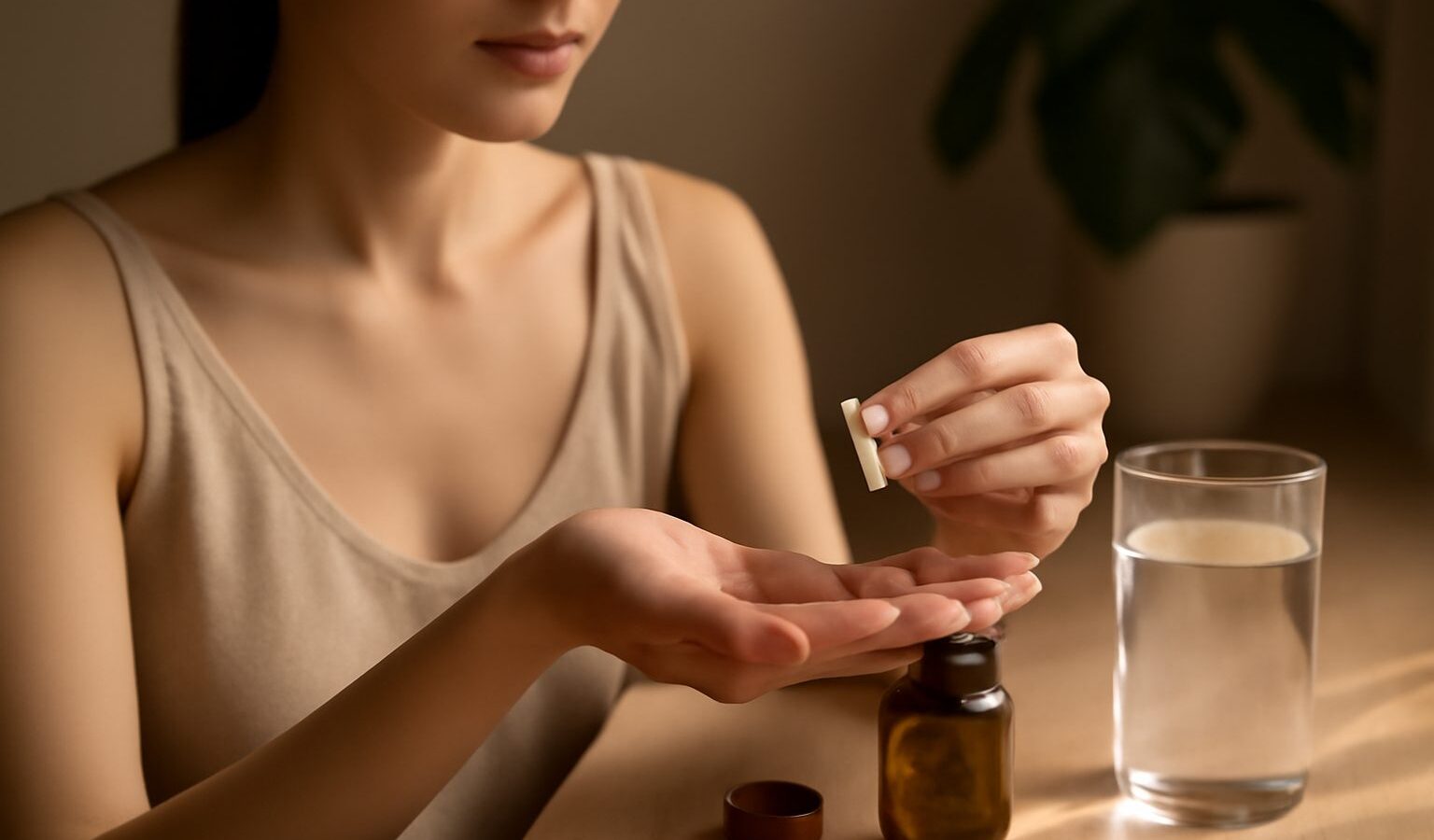
Glutathione has become a buzzword in the world of skin brightening, appearing in supplements, creams, and, more worryingly, injectable whitening drips. If you have come across glutathione skin singapore promises, you deserve a clear and honest picture rather than hype. The short version is that the evidence for glutathione as a skin brightener is weak, and the injectable route in particular carries real risks. This article walks through what glutathione is, what the claims are, and why a cautious, doctor-led approach is the sensible one. This is general information, not medical advice.

What Glutathione Is
Glutathione is a compound your body makes naturally. It plays a role as an antioxidant and is involved in many normal processes inside your cells. Because it exists in the body already, it can sound harmless and even wholesome, which is part of why it is marketed so heavily for skin. The leap that marketing makes is from a normal bodily antioxidant to a reliable skin-whitening agent, and that leap is not well supported.
You will find glutathione sold in several forms: topical creams and serums, oral tablets and drinks, and injectable or intravenous drips promoted for whitening. These are very different things with very different risk levels, and it is important not to treat them as interchangeable.
Why The Brightening Claims Are Not Well Proven
Let us be direct about the evidence. Claims that topical or oral glutathione will noticeably lighten or whiten your skin are not well proven. Studies in this area are often small, short, or of limited quality, and the results are far from convincing. That means anyone promising a clear, reliable brightening effect from a glutathione cream or supplement is overstating what the science actually shows.
So please do not expect a whitening result, because there is no solid promise to be made here. If your real concern is uneven tone, dark spots, or dullness, there are better-understood and gentler approaches worth exploring first. Consistent sun protection is the single most important step, since UV drives most pigmentation issues in our sunny climate, and our guide on sunscreen and sun protection explains how to build the habit. For targeting existing marks, ingredients with more established cosmetic use are covered in our overview of alpha arbutin and kojic acid for brightening.
It is also worth reframing the goal. Skin brightening in a healthy sense usually means a clearer, more even, well-cared-for complexion, not bleaching your natural skin tone. Every skin tone is worth celebrating, and no product should be sold on the idea that lighter is better.
The Real Concerns With IV Glutathione Drips
The most serious issue is injectable and intravenous glutathione marketed for whitening. This is not a proven or approved cosmetic treatment. It is an unproven medical product being used for an aesthetic purpose it was never established to deliver, and putting substances directly into your bloodstream is never trivial. Injections and drips can carry risks, including reactions and complications, and the quality and safety of what is being injected can vary.
Because of all this, we do not encourage anyone to pursue IV glutathione whitening drips. There is no reliable evidence that they safely and effectively whiten skin, and the risks are real. If you are ever considering any injectable or intravenous treatment for any reason, that is a decision to make with a qualified doctor who can assess your health and explain the genuine risks and benefits, not something to buy on the strength of a beauty advertisement.
If pigmentation is genuinely bothering you, a doctor or dermatologist is the right person to see. They can assess whether it is sun damage, melasma, or something else, and guide you towards appropriate, safer management. Our article on hyperpigmentation and dark spots gives helpful background before such a conversation.
Safer, Sensible Steps To Consider
If you want a clearer, healthier-looking complexion, the good news is that the boring basics genuinely work better than risky shortcuts. Consider this approach:
- Wear sunscreen every day and reapply it, since sun protection prevents most pigmentation from worsening.
- Be gentle with your skin barrier and avoid harsh over-exfoliation, which can make marks look worse.
- Use well-understood brightening ingredients slowly and one at a time, patch testing first.
- Have realistic expectations, because tone evens out gradually, not overnight.
- See a doctor or dermatologist for stubborn pigmentation, melasma, or anything that changes suddenly.
Consistency and patience beat quick fixes here. A gentle, sun-smart routine followed over months does more for an even complexion than any drip ever could, and it does so without gambling on your health.
To wrap up, glutathione for skin brightening is a topic where honesty matters. The brightening evidence for topical and oral forms is weak, and injectable or IV whitening drips are an unproven medical product that can carry real risks, so we do not encourage them. If your tone concerns you, protect your skin from the sun, treat it kindly, and speak to a doctor for proper advice rather than chasing a promise that science does not back.
Frequently Asked Questions
Is glutathione safe to take as a supplement for skin? The evidence that oral glutathione lightens skin is weak, so there is no solid promise to be made. If you are considering any supplement, speak to a doctor or pharmacist first rather than relying on a beauty advertisement.
What are the risks of glutathione injections or drips? They are an unproven medical product used for a cosmetic purpose it was never established to deliver. Injections and drips can carry reactions and complications, and the quality of what is injected can vary. Discuss any such treatment with a qualified doctor.
What actually helps with uneven skin tone and dark spots? Daily sunscreen is the most important step, since UV drives most pigmentation. Gentle, well-understood brightening ingredients used slowly and one at a time also help, and tone evens out gradually, not overnight.
Can glutathione cream lighten my skin tone? Claims that topical glutathione will noticeably whiten skin are not well proven, as studies are often small or of limited quality. Skin brightening in a healthy sense means a clearer, more even complexion, not changing your natural tone.
When should I see a doctor about pigmentation? See a doctor or dermatologist for stubborn pigmentation, melasma, or any spot that changes suddenly. They can assess whether it is sun damage or something else and guide you towards safer management than a drip or a whitening promise.