
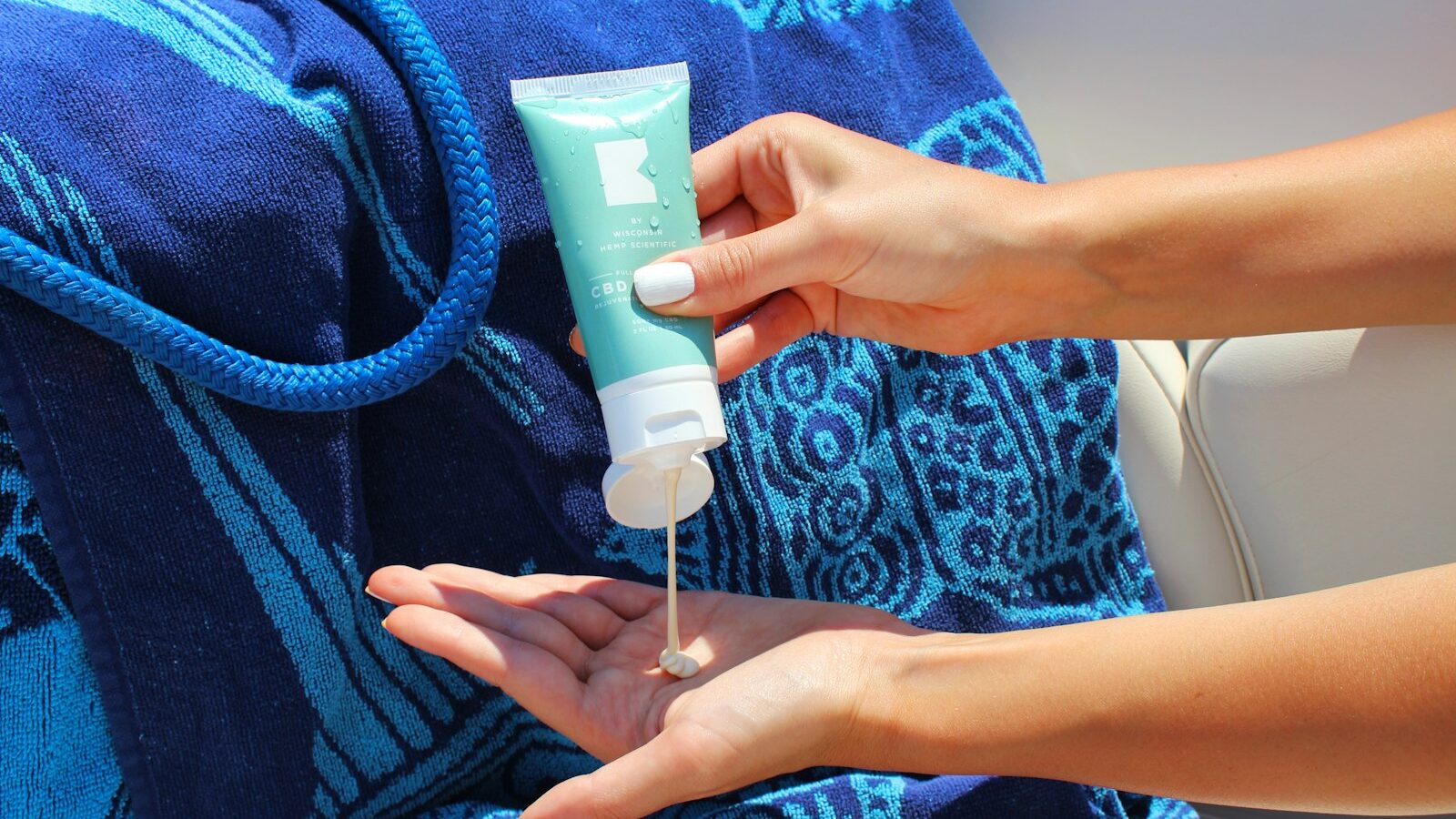
Living one degree north of the equator means the sun is a daily companion, not a seasonal one. Choosing the right sunscreen in Singapore is one of the simplest, highest-impact habits you can build for your skin, yet the shelf of options can feel overwhelming. This guide explains how SPF and PA ratings actually work, how to read a label, and how to build sun protection into a routine that survives our heat and humidity.
Ultraviolet exposure here is consistently high all year round. The National Environment Agency publishes a daily UV index, and readings frequently reach the “very high” or “extreme” bands around midday. That steady exposure adds up over time, contributing to premature ageing, uneven pigmentation, and longer-term skin health concerns. Sunscreen is not just a beach product in this climate; it is a weekday essential.
Understanding SPF and PA Ratings
The two numbers that matter most sit right on the front of the bottle. SPF, or Sun Protection Factor, measures protection against UVB rays, the ones mainly responsible for sunburn. A higher SPF blocks a slightly larger share of UVB, but the gains flatten out: the jump from SPF 30 to SPF 50 is smaller than most people assume. For daily wear in Singapore, dermatologists generally favour SPF 30 or higher, applied properly, over a very high number applied thinly.
The PA rating, shown as PA+ through PA++++, indicates protection against UVA rays. UVA penetrates deeper and drives much of the ageing and pigmentation people want to avoid. In a climate like ours, UVA protection matters just as much as UVB, so look for a product that carries both a solid SPF and a high PA rating, or one explicitly labelled “broad spectrum”.
A useful way to think about the two systems:
| Label term | What it protects against | What to look for |
|---|---|---|
| SPF 30 to 50+ | UVB (burning) | At least SPF 30 for daily use |
| PA++ to PA++++ | UVA (ageing, pigment) | PA+++ or higher in tropical sun |
| Broad spectrum | Both UVA and UVB | Preferred for everyday wear |
| Water resistant | Sweat and water exposure | Useful for outdoor and sport |
Chemical Versus Mineral Formulas
Sunscreens fall into two broad families, and the right one depends on your skin and your preferences. Chemical (or organic) sunscreens absorb UV radiation and convert it to heat. They tend to feel lightweight, spread easily, and disappear without a white cast, which suits daily wear under makeup. Some people with reactive skin find certain chemical filters irritating, so patch testing helps.
Mineral (or physical) sunscreens use zinc oxide or titanium dioxide to sit on the skin and deflect UV. They are often gentler for sensitive or acne-prone skin and start working immediately, though older formulas could leave a white sheen. Many newer mineral options are far better tinted and blended for a range of skin tones.
Neither category is universally “better”. If you have reactive skin or are prone to breakouts, a mineral or hybrid formula labelled non-comedogenic is a sensible starting point. Our companion guides on sensitive skin care and managing oily skin go deeper into matching products to skin type.
Applying Sunscreen the Right Way
Most people undermine a good sunscreen by using too little. For the face and neck, aim for roughly two finger lengths of product; for exposed areas of the body, a generous, even layer. Skimping is the single most common reason sunscreen underperforms in real life compared with the number on the bottle.
A few habits make a real difference:
- Apply as the last skincare step, before makeup, and give it a couple of minutes to settle.
- Reapply every two hours when outdoors, and sooner after heavy sweating, swimming, or towelling off.
- Do not forget easy-to-miss spots: ears, the back of the neck, the tops of feet, and the hairline.
- Layering does not stack SPF: putting SPF 30 over SPF 30 does not equal SPF 60, so pick one reliable product and apply it well.
Reapplication is where indoor workers slip up. If you commute, sit near windows, or step out for lunch, a midday top-up keeps protection meaningful. Powder or stick formats make reapplication over makeup much easier during the workday.
Daily Habits Beyond the Bottle
Sunscreen works best as part of a wider set of habits rather than a single shield. Because our UV index peaks around the middle of the day, planning outdoor activities for earlier or later hours reduces cumulative exposure. When you are out, seek shade, and treat it as a complement to sunscreen rather than a replacement.
Clothing and accessories do a lot of quiet work. A wide-brimmed hat, UV-filtering sunglasses, and lightweight long sleeves in breathable fabric all cut exposure without needing reapplication. Some activewear carries a UPF rating, which describes how much UV the fabric blocks, handy for runs, cycling, or a day at the pool.
Consistency beats intensity. The person who applies a moderate SPF every single morning is better protected over the years than someone who reaches for a very high SPF only on holidays. Keep a bottle by the door, in your bag, or at your desk so the habit is frictionless. Check the NEA UV index if you are planning a long stretch outdoors, and adjust reapplication accordingly.
When to Seek Professional Advice
Sunscreen is preventive care, but it does not replace attention to changes in your skin. If you notice a mole changing in size, shape, or colour, a spot that will not heal, or new pigmentation that concerns you, see a doctor or a dermatologist for assessment. Those with a history of skin cancer, very fair skin, or certain medications that increase sun sensitivity may need tailored guidance.
This article is general information and not personalised medical advice. For product suitability, existing skin conditions, or any worrying skin change, consult a qualified professional, and confirm current health guidance with sources such as the Health Promotion Board.
Explore more
For related routines, see our guide to skincare for a humid climate and how to build a gentle regimen for sensitive skin. If pigmentation or sun damage is a concern, our overview of dermatologists in Singapore explains when and how to seek professional help.