
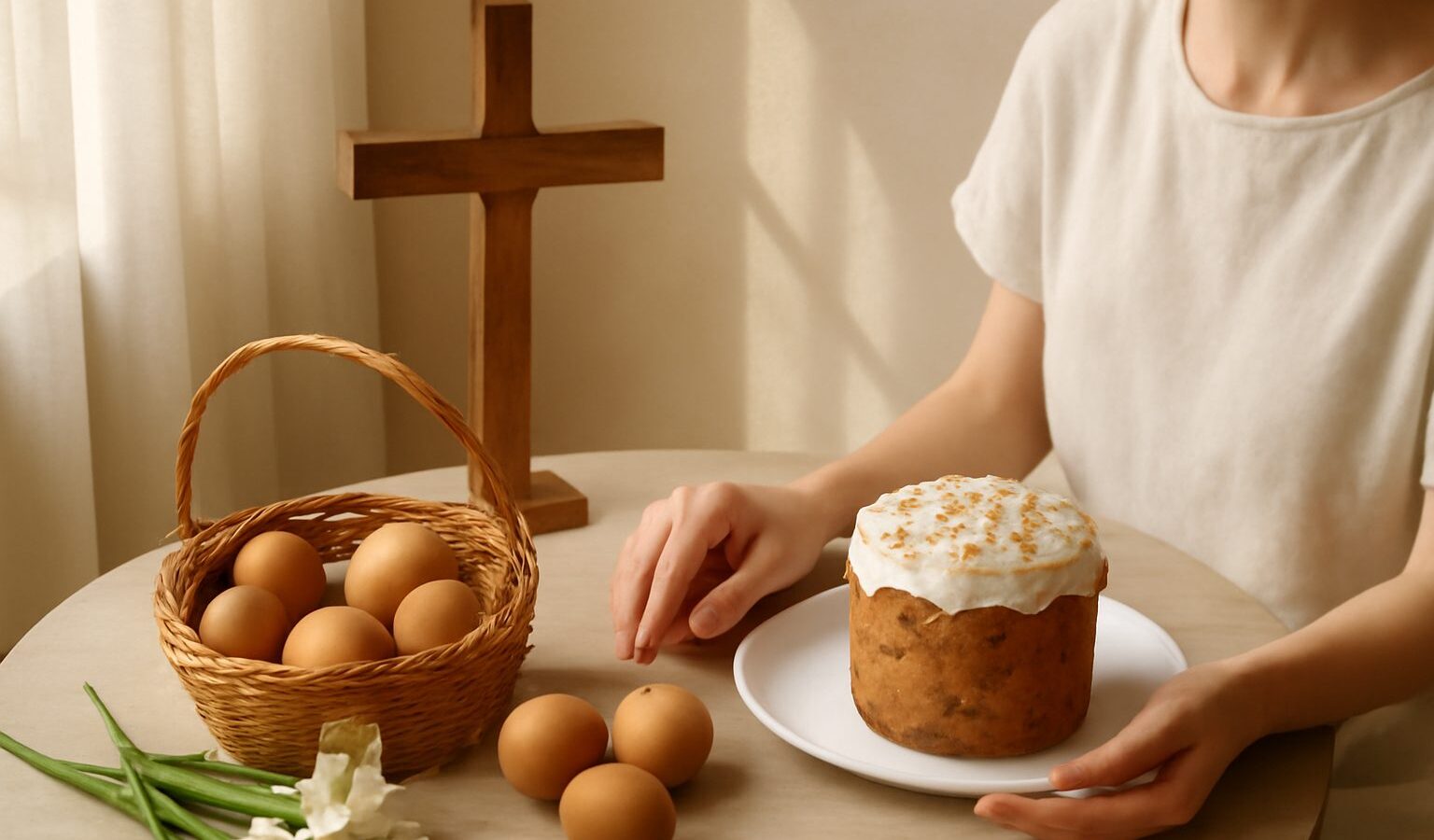
Easter in Singapore is one of the most meaningful times of the year for the Christian community, and it arrives at the close of a quiet, reflective season. It centres on two closely linked days: Good Friday, which remembers the crucifixion of Jesus, and Easter Sunday, which celebrates his resurrection. Around them you will notice church services filling up, chocolate eggs and bunnies appearing in shops, hotel brunches advertising family spreads, and bakeries selling spiced hot cross buns. This guide explains what these days mark for Christians, how they are observed here, and a few practical notes on holidays and planning. Because the dates follow a moveable calendar, they shift each year, so check the current year’s public holiday list from the Ministry of Manpower.
What Good Friday and Easter mark
For Christians, Good Friday and Easter are the heart of the faith’s calendar. Good Friday remembers the day Jesus was crucified and died, and it is observed with solemnity, quiet reflection and gratitude. Easter Sunday, which follows two days later, celebrates the belief that Jesus rose from the dead, and it is marked with joy, hope and renewal. Together the two days tell a single story of sacrifice followed by new life, which is why the sombre tone of Friday gives way to celebration on Sunday.
Out of respect, this guide describes what the community observes rather than making doctrinal claims, which are best explained by churches and clergy themselves. Different Christian traditions in Singapore, including Catholic, Protestant, Orthodox and many independent congregations, may observe the days in their own ways, but the shared meaning of remembrance and resurrection runs through them all. Many also mark the wider season of Lent in the weeks beforehand, a period some use for reflection, prayer or giving something up.
How the days are observed here
The season builds gradually. Some churches hold services through Holy Week, the days leading up to Easter, including Maundy Thursday and Good Friday. On Good Friday itself, services tend to be reflective and quiet, sometimes retracing the events of the day. Easter Sunday is the opposite in mood, with bright, celebratory services, music and often larger gatherings. Common observances include:
- Church services. Congregations attend Good Friday and Easter Sunday services, and popular churches may run several sessions to manage the crowds.
- Reflection during Lent. In the weeks before, many Christians observe Lent through prayer, fasting or acts of charity.
- Family gatherings. Easter Sunday is often a family occasion, with meals shared after morning services.
- Sunrise and dawn services. Some churches hold early morning gatherings on Easter Sunday to mark the resurrection.
Because Singapore is home to many nationalities, you will find services in a range of languages, from English and Mandarin to Tagalog, Tamil and others, reflecting the diverse Christian community here.
Family traditions, eggs and hot cross buns
Alongside the religious observance, Easter has picked up warm, family-friendly customs that many enjoy whether or not they are Christian. Easter eggs, usually made of chocolate, are a favourite treat, and the egg is a long-standing symbol of new life. Easter egg hunts, where children search for hidden eggs in gardens, condominiums or event spaces, are popular with families, and shopping malls, hotels and community groups often organise them. The Easter Bunny appears in decorations and children’s activities as a cheerful seasonal figure.
Food is a big part of the weekend too. Hotels and restaurants across Singapore put on Easter brunches and buffets, often with an egg hunt or activities for children, making it a relaxed family outing. Bakeries sell hot cross buns, spiced sweet buns marked with a cross on top, which are a traditional Easter treat. These lighter customs sit comfortably alongside the religious meaning of the season, and they are a friendly way for families of any background to take part.
Good Friday and Easter compared
It helps to see how the two days differ in tone and status, since one is a public holiday and the other is not. The table below sets them side by side.
| Feature | Good Friday | Easter Sunday |
|---|---|---|
| What it marks | The crucifixion of Jesus | The resurrection of Jesus |
| Mood | Solemn, reflective | Joyful, celebratory |
| Typical observance | Quiet church services | Bright services, family meals |
| Public holiday in Singapore | Yes | No |
| Day of the week | Always a Friday | Always a Sunday |
| Date each year | Varies | Varies, two days after Good Friday |
The public holiday and planning around it
Good Friday is a gazetted public holiday in Singapore, so government offices, schools and many workplaces close for the day. Essential services continue, and most retail, dining, transport and attractions keep running, so the city stays lively over what is often a long weekend. Easter Sunday, on the other hand, is not a public holiday, though it always falls on a Sunday, which is already a rest day for many. Because it is not gazetted, there is no accompanying Monday holiday for Easter.
The dates move every year because Easter is a moveable feast, set in relation to the spring full moon rather than a fixed calendar date, so it can land anywhere from around late March to late April. That means Good Friday’s date shifts too. For planning, always check the official public holiday list from the Ministry of Manpower for the year in question rather than assuming a fixed date. If you are hoping to attend a popular Easter brunch or a church service, it is worth booking or arriving early, as both fill up quickly.
Joining in respectfully
You do not need to be Christian to appreciate the season or to take part in its family activities. A warm “Happy Easter” is always welcome. If you are invited to a Good Friday service, keep in mind that it is a solemn occasion and dress and behave accordingly, while Easter Sunday services are more festive. Egg hunts, brunches and hot cross buns are open to everyone and are a lovely way to enjoy the weekend with family and friends. Treating the religious observance with the same courtesy you would want for your own traditions reflects the spirit of harmony that lets Singapore’s communities share in one another’s celebrations.
Explore more
To see how Good Friday fits into the wider year and which other days are gazetted, read our guide to Singapore’s public holidays. It gives helpful context for planning around the long weekends that dot the calendar, and for understanding which festival days across the different communities are observed as national holidays.