
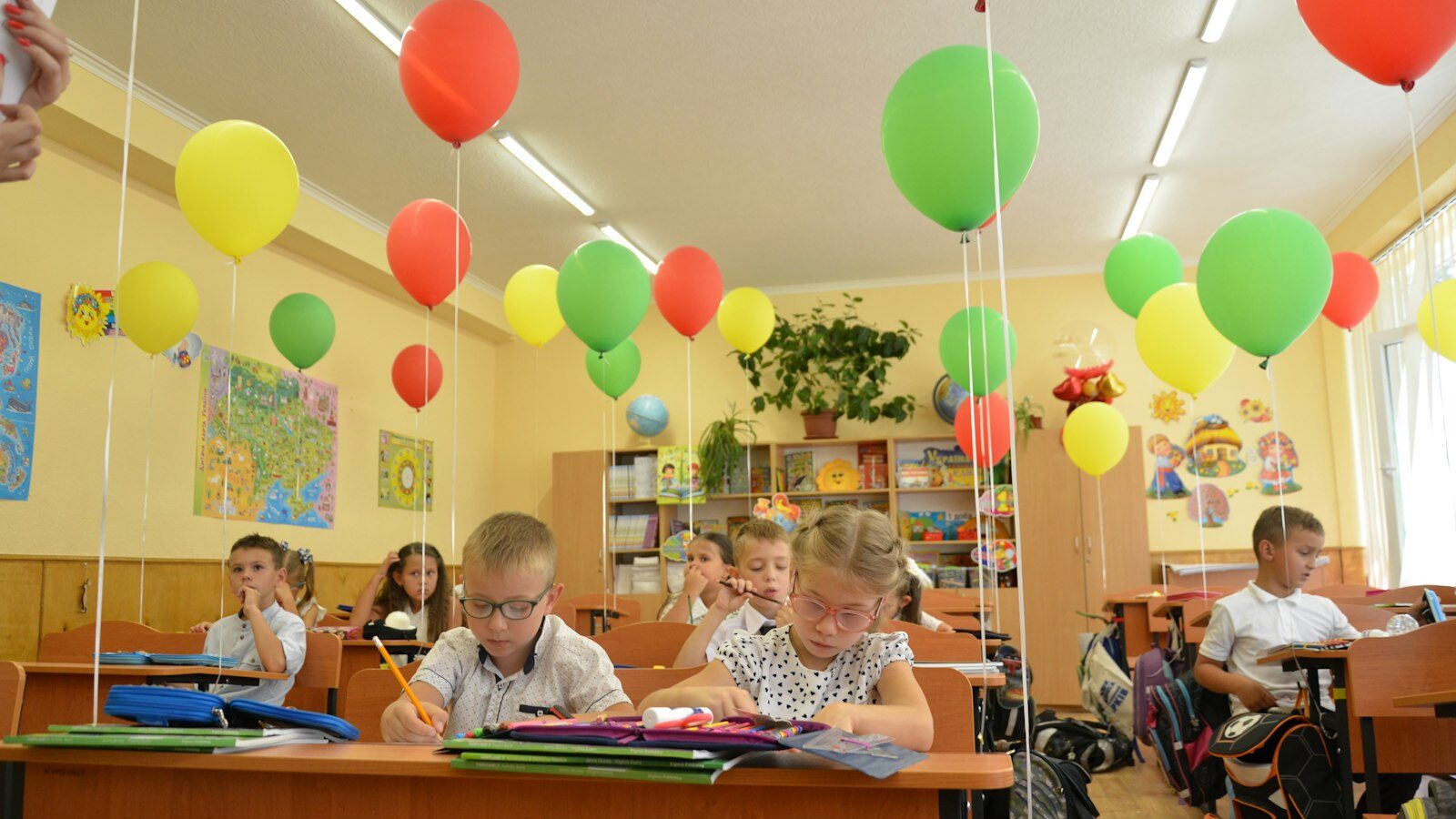
Green habits for students work best when they are cheap, quick and genuinely useful, because those are the ones that survive a busy term. As a student in Singapore, whether you are in secondary school, a polytechnic, a junior college or a university hall, you already move through a world full of single-use plastic: bubble tea cups, canteen takeaway, printed notes and the endless temptation of online shopping. The good news is that student life is also the perfect place to build habits, since your days are structured and small changes compound over years.
This guide keeps things realistic. You are on a tight budget, you have exams, and you do not have time for a complicated system. So we will focus on swaps that cost little or nothing, fit campus life, and often save you money along the way.
Why Student Years Are The Best Time To Start
Habits formed now tend to last, because they attach to routines you repeat daily for years: the same canteen, the same commute, the same study spots. Change one of those and you change hundreds of future days without extra effort. Students also have real influence. Group projects, CCAs, hall committees and student clubs are ready-made ways to reach many people at once.
There is a money angle too, which matters when you are living on an allowance. Reusables usually pay for themselves. A refillable bottle beats buying drinks; buying secondhand beats buying new; borrowing beats owning something you will use twice. Green choices and frugal choices point in the same direction more often than not.
Finally, you do not have to be an activist to make a difference. Being a bit more thoughtful, a bit less wasteful, is enough. No guilt, no lectures, just steady, sensible habits.
Easy Wins In The Canteen And On Campus
The canteen and the drinks stall are where student plastic really adds up. A few gentle changes here go a long way.
- Carry a bottle. Tap water is safe here, so a refillable bottle is the single biggest, cheapest win. Refill between lessons and skip bought drinks entirely.
- Bring a bottle for bubble tea. Some stalls will fill your own cup, and even carrying your own straw spares a plastic one. If they cannot, no drama, just try next time.
- Say no to the plastic bag for a single item or a packed meal you will eat right away.
- Keep a light container in your bag for tapau days. It doubles as a lunchbox and saves you money on packed food.
- Print less, and double-sided. Read notes on a screen where you can, and print only what you truly need to annotate.
When you do order delivery to hall during a late-night study session, you can cut a lot of waste by reducing waste from food delivery, for instance by selecting “no cutlery” and skipping sauce sachets you will not use.
Small Habits Versus Bigger Commitments
You do not have to do everything at once. It helps to see which habits are quick daily wins and which are occasional, slightly bigger commitments, so you can start light and level up when you have the bandwidth.
| Habit | Effort level | Why it is worth it |
|---|---|---|
| Refillable bottle every day | Very low, daily | Saves money, cuts many bottles |
| “No cutlery” on delivery | Very low, occasional | Zero effort once you set it |
| Buy secondhand textbooks and notes | Low, each semester | Cheaper, keeps books in use |
| Bring own cup for bubble tea | Medium, daily | Cuts your most frequent cup |
| Borrow instead of buying gear | Medium, occasional | Saves cash and storage |
| Start a swap or recycling drive | Higher, one-off | Reaches many students at once |
Pick one “very low” habit and lock it in first. Once it is automatic, add another. Trying to do all six in a week is how good intentions fizzle out by the second month.
Beyond The Bin: Studying, Living And Sharing
Being green as a student is about more than recycling, though recycling still counts. For the plastic and paper you cannot avoid, sort it properly and follow the current NEA blue-bin guidance, since a contaminated bin can spoil the whole batch. It is worth knowing how to avoid the common mistakes; our guide to avoiding recycling contamination covers what to rinse and what to leave out.
Some of the biggest student savings come from buying less new stuff:
- Secondhand first. Textbooks, lab coats, graphing tools, past-year papers and even furniture for hall circulate constantly among students. Ask seniors, check student groups, and pass yours on when you are done.
- Borrow, do not buy. For one-off needs like a costume, a tool or an appliance, borrowing makes far more sense than buying. A library of things lets you use something for a week without owning it forever.
- Host or join a swap. Clothes pile up fast at this age. A casual clothes swap with friends refreshes your wardrobe for free and keeps decent clothes out of the bin.
- Share within your hall or CCA. Bulk-buy fewer, better things and split them, rather than everyone buying their own.
If you live in hall, a few extra habits help. Switch off lights, fans and the aircon when you leave the room, since our cooling is a big share of energy use. Use a power strip so you can cut phantom draw from chargers and devices in one flick. Wash full loads of laundry rather than small ones. None of this is dramatic, and all of it is free.
Turning It Into A Movement On Campus
The real multiplier for students is other students. One person bringing a bottle saves a bottle; a hall committee that sets up a proper recycling corner or a swap shelf changes behaviour for hundreds. If you want to do something bigger, keep it simple and social.
Ideas that work on campus:
- A swap shelf or corner in hall or the student lounge, where people leave and take clothes, books or kitchen bits for free.
- A recycling push during exam season, when notes and printouts pile up, paired with a clear guide on what actually goes in the bin.
- A green clause in CCA and event planning: reusable cups at events, digital tickets, and no goodie-bag junk that goes straight to the bin.
- Peer nudges over posters. Friends copying friends beats another laminated sign. If you bring your bottle, others will.
Green habits for students do not need to be intense or expensive. They need to be easy enough to keep on a hectic week and useful enough that you actually feel the benefit, usually in your wallet. Start with a bottle, add a container, buy a few things secondhand, and bring one friend along. By the time you graduate, these will not feel like a challenge at all. They will just be how you live, and that quiet habit is worth more than any single grand gesture.