
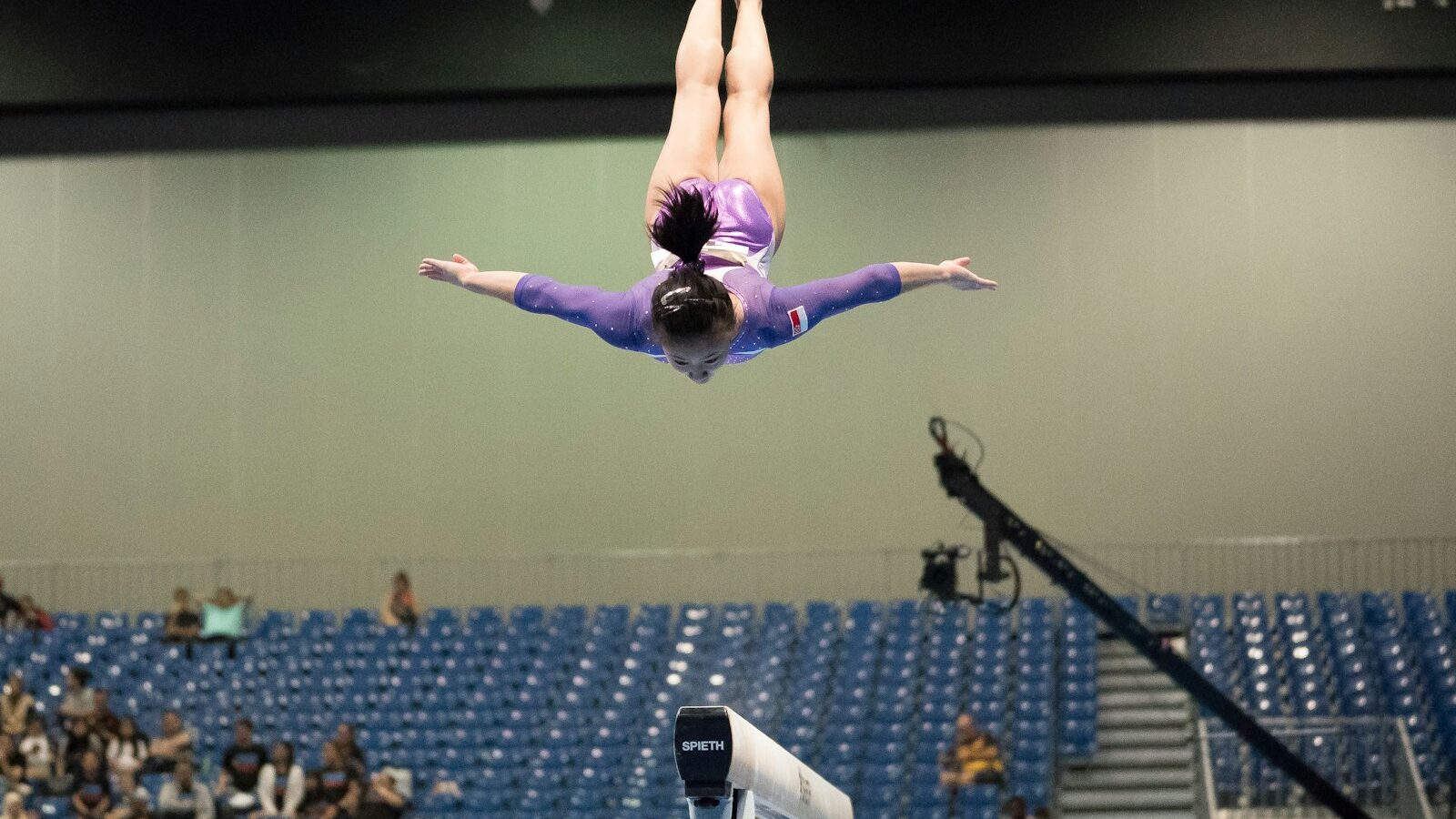
Gymnastics is one of the best all-round sports a child can try. It builds strength, balance, flexibility, coordination and body awareness that carry over into almost every other activity, from swimming to dance to football. If you are looking at kids gymnastics classes in Singapore, though, you will quickly find that programmes range from playful toddler sessions to serious training squads that practise many hours a week.
The most important choice is not which brand of class, but which track: recreational or competitive. This guide explains the difference, what suits each age, how to judge safety, and how to tell whether your child is ready to move up.

Recreational vs Competitive Gymnastics: The Core Difference
Recreational gymnastics is about fun, fitness and skill learning. Children typically attend once or twice a week, progress through skill levels or badges, and may take part in friendly displays or in-house events. There is no pressure to specialise, and children can combine it with other sports.
Competitive gymnastics is a structured pathway. Gymnasts follow set routines and levels, train several times a week, and enter competitions at club, national or international level. In Singapore, the national sports association for the sport is Singapore Gymnastics, which organises national competitions and pathways. Clubs usually invite children into competitive squads after spotting potential in recreational classes or through trials.
| Factor | Recreational track | Competitive track |
|---|---|---|
| Main goal | Fun, fitness, basic skills | Performance and competition results |
| Typical commitment | Around one or two sessions a week | Several sessions a week, often longer |
| Entry | Open enrolment by age or level | Invitation, assessment or trials |
| Pressure | Low, child-paced | Higher, with goals and judging |
| Flexibility | Easy to combine with other sports | Usually needs to be a main sport |
| Cost and time | Moderate | Higher, plus competition fees and travel |
Neither track is better. Many children are happiest staying recreational for years. Others thrive on the structure of a squad. What matters is matching the track to your child’s temperament and your family’s schedule.
What Suits Each Age
Exact age bands vary by provider, so treat these as broad patterns rather than rules.
- Toddlers (roughly 18 months to 3 years). Parent-and-child classes focus on climbing, rolling, crawling through tunnels and balancing on low beams. The aim is confidence and movement play, not technique.
- Preschoolers (about 3 to 6). Children start learning basic shapes, forward rolls, jumps, simple bar swings and low balance work, often in small groups with plenty of games. Listening and taking turns are part of the lesson.
- Primary school age (about 6 to 12). Recreational classes become more structured, with cartwheels, handstands, bridges, round-offs and apparatus skills. This is also when coaches may spot children who could suit a competitive track.
- Teens. Recreational classes for older beginners exist but are fewer. Some teens move into related disciplines such as tumbling, trampoline, cheerleading or parkour-style classes.
If your child is older and only now curious, do not worry that it is “too late” to enjoy gymnastics. Competitive pathways do tend to start young, but recreational gymnastics welcomes late starters. Parents who want to try it themselves can read how to start gymnastics classes as an adult.
Types of Gymnastics Your Child Might Try
- Artistic gymnastics is the most familiar: floor, vault, bars and beam for girls, with additional apparatus such as rings and pommel horse for boys at higher levels.
- Rhythmic gymnastics combines dance, flexibility and handling apparatus like ribbons, hoops, balls and clubs. It suits children who love music and expression.
- Trampoline and tumbling focus on aerial skills and power, and are popular with energetic children who love bouncing.
- Preschool or “kindergym” programmes are general movement classes that use gymnastics equipment without committing to a discipline.
Children who enjoy expressive movement may also like ballet; our guide on choosing a ballet class for your young child covers what to look for there.
Safety Checks Before You Enrol
Gymnastics carries real injury risk if a class is poorly run, so safety deserves more attention than convenience or price. Ask to watch a trial class and look for these points:
- Coaching credentials. Ask what qualifications the coaches hold, whether they are trained to coach children, and whether they hold current first aid certification.
- Coach-to-child ratio. Small groups mean more spotting and less waiting. If children spend most of the lesson queuing, they are not learning much, and bored children tend to take risks.
- Matting and equipment. Look for thick landing mats under apparatus, padded floors and well-maintained bars and beams. Equipment should suit the children’s size.
- Spotting. For new or difficult skills, a coach should physically spot the child. Children should not be attempting flips or handsprings alone before they are ready.
- Progression. Good programmes build skills in a logical order and do not rush children into advanced moves because a parent is keen.
- Warm-ups and cool-downs. A proper warm-up and stretching routine reduces the chance of strains.
- Heat and hydration. Indoor halls in Singapore can still get warm. Check that children have water breaks and that the space is ventilated or air-conditioned.
- Child safeguarding. Ask about the club’s policies on physical contact, changing areas and parent viewing. A reputable provider will be happy to explain these.
If your child has a medical condition, joint issues, or has had a recent injury, speak to your doctor before starting, and tell the coach.
Questions to Ask When Comparing Classes
When you call or visit, these questions help you compare like with like:
- Is the class recreational, pre-competitive or competitive?
- How are children grouped: by age, by skill level, or both?
- How long is each session, and how much of it is active time?
- What happens if my child misses a class? Are there make-up sessions?
- What are the payment terms, and what is the cancellation or withdrawal policy?
- Is there a trial class, and what should my child wear?
- How do you communicate progress to parents?
- For competitive squads: how many hours a week, what are the competition costs, and how is rest and injury managed?
Location matters more than you might think. A class across the island can turn a one-hour lesson into an afternoon. Many parents choose a slightly less fancy gym that is close to home or school so the routine stays sustainable.
Signs Your Child Is Ready to Move Up, or Step Back
Coaches usually suggest when a child might suit a competitive or pre-competitive group. Signs include strong flexibility, good body control, quick learning and, most importantly, genuine enthusiasm for training.
Before saying yes, consider whether your child wants it or is simply pleasing you, whether the extra hours fit around school, sleep and family time, and whether you can manage the travel and costs.
Equally, it is fine to step back. If a child starts dreading class, complains of persistent pain, or seems anxious about performing, talk to them and to the coach. Ongoing pain should be checked by a doctor rather than pushed through. A break or a move back to recreational classes keeps the love of movement alive, which matters far more than any medal.
If gymnastics does not click, other disciplines build similar skills. Our guide on choosing a martial arts class for your child is a good place to compare options.
Frequently Asked Questions
What should my child wear to a gymnastics class? Fitted, stretchy clothing such as a leotard, or a close-fitting top and shorts, so limbs are visible to the coach and nothing catches on the equipment. Gymnastics is usually done barefoot or in grip socks. Tie long hair back and remove jewellery. Ask about the club’s dress rules.
Does gymnastics stunt a child’s growth? No, there is no evidence that gymnastics itself stunts growth. A child’s height is mainly influenced by genetics and nutrition. Intense training, poor nutrition or injuries can be a concern, so choose a well-run programme and see a doctor if you have worries about growth.
Is gymnastics suitable for boys as well as girls? Yes, gymnastics builds strength, balance and coordination in all children. Boys and girls can join recreational classes together, and the artistic competitive track includes different apparatus for each. Ask the club which classes are available for boys.
What if my child is scared or shy at gymnastics? Fear and shyness are very common, and many children simply watch for the first few lessons. Let them set the pace, stay nearby and praise effort over skill. Talk to the coach about easing in. Do not force a child to try skills they are afraid of.
What should I do if my child gets hurt at gymnastics? Stop the activity and tell the coach, who should have first aid training. For anything beyond minor bumps, such as swelling, severe pain or a head knock, see a doctor. Do not let a child push through pain, and ask the club about its incident policy.
Further reading: Kids’ Cooking and Baking Classes in Singapore · Baby Swimming Classes in Singapore: When to Start and What to Expect