
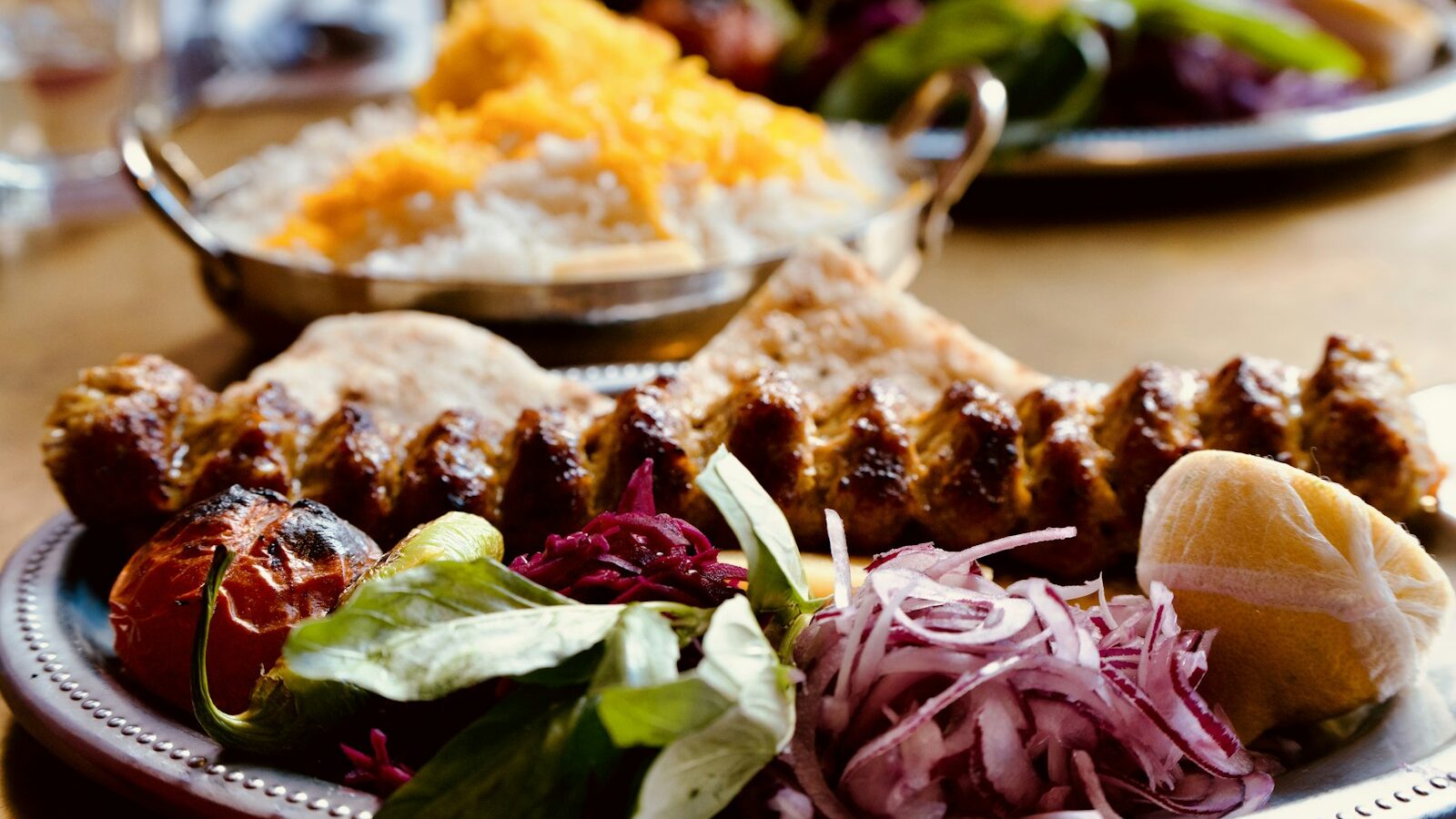
Finding good halal food in Singapore is easier than you might expect, but knowing how the system works will save you a lot of second-guessing. Whether you have just arrived to study, work, or settle in, this guide walks you through how halal certification is granted here, how to tell a genuine certificate from a friendly-sounding sign, and where to point your appetite. The short version: Singapore takes halal seriously, and once you learn the few things to look for, you can eat widely and confidently.
How halal certification works in Singapore
In Singapore, halal certification is issued by the Islamic Religious Council of Singapore, better known by its Malay initials, MUIS (Majlis Ugama Islam Singapura). MUIS is a statutory body, so a MUIS-certified eatery has been formally audited against a recognised standard, not simply self-declared as halal.
When a restaurant, stall, or food manufacturer applies, MUIS assesses the whole operation: the ingredients, the suppliers, how food is stored and prepared, and how staff handle everything to avoid cross-contamination with non-halal items. If the premises meet the requirements, they receive a certificate that must be renewed periodically. Because it is a licensing scheme rather than a one-off stamp, certification can lapse, so a certificate you saw last year should still be current today. That is exactly why verifying at the stall matters, which we will come back to.
MUIS certification covers different scheme types, including eating establishments, food preparation areas, and whole premises. As a diner, the practical point is simple: the certificate on the wall tells you an independent, recognised authority has checked that kitchen.
Halal certified vs “no pork no lard”
This is the single most useful thing for a newcomer to learn, because the two sound similar but mean very different things.
- Halal certified means MUIS (or another recognised authority) has audited and approved the establishment. Look for the official halal certificate, usually displayed near the counter or entrance, showing the establishment’s name and a validity period.
- “No pork no lard” is a common sign in Singapore, but it is not a halal certification. It simply tells you the kitchen does not use pork or lard. That same kitchen may still serve alcohol, use non-halal chicken or beef, or prepare food using shared equipment. It is a courtesy note, not a guarantee.
A “no pork no lard” sign is helpful information, but it is not the same as being halal certified. If certification matters to you, look for the MUIS certificate, not the slogan.
Some Muslim diners are comfortable with certain muslim friendly food singapore options that are not certified, and others prefer strictly certified only. There is no single right answer; the point is to know which one you are looking at so you can make your own choice.
How to read the certificate
A genuine MUIS certificate will show the business name, the type of scheme it is certified under, and an expiry or validity date. Two quick habits help:
- Check that the name on the certificate matches the stall or restaurant in front of you. In food courts, a certificate can belong to a neighbouring unit.
- Check the validity date. If it has expired, treat the eatery as uncertified until it is renewed.
If you are ever unsure, MUIS publishes a directory of certified premises that you can search, and asking staff directly is completely normal and expected here.
Halal hawker food and cuisines to try
One of the joys of eating in Singapore is the hawker centre, and there is plenty of halal hawker food to explore. Many Malay and Indian-Muslim stalls are certified, and you will find dedicated halal sections in some food courts. Dishes worth seeking out include:
- Nasi padang: steamed rice served with a spread of curries, vegetables, and meats.
- Mee rebus and mee soto: noodle dishes in a rich, savoury gravy or a spiced soup.
- Nasi lemak: coconut rice with sambal, egg, and your choice of sides.
- Roti prata: a crisp, flaky flatbread served with curry, common at Indian-Muslim eateries.
- Murtabak and biryani: hearty stuffed prata and fragrant spiced rice from the Indian-Muslim tradition.
- Satay: skewered, grilled meat with peanut sauce, a Singapore favourite.
Beyond hawker fare, Singapore has a large and growing range of halal certified cafes, bakeries, and full-service restaurants spanning Western, Japanese, Korean, Thai, and Middle Eastern cuisines. Fast-food outlets from major chains are frequently certified too, though it always pays to check the individual outlet rather than assume the whole brand.
Areas known for halal food
A few neighbourhoods are especially rewarding if you want to eat well and soak up some atmosphere:
- Kampong Glam, around the historic Sultan Mosque, is a long-standing centre of Malay and Middle Eastern culture. Expect Malay dishes, Turkish and Arab restaurants, and plenty of cafes.
- Geylang Serai is a heartland hub of Malay food and culture, particularly lively around the fasting month of Ramadan, when its bazaar draws crowds from across the island.
- Little India offers many Indian-Muslim eateries known for biryani, prata, and murtabak.
These are general pointers rather than a fixed list, and you will find excellent halal options in heartland neighbourhoods all over Singapore, not just in these enclaves.
Tips for dining out
A little know-how goes a long way. Keep these in mind:
- Verify certification at the stall. This is the golden rule. Look for the current MUIS certificate on display, and check the name and date. When in doubt, ask the staff; it is a routine question here.
- Do not rely on “no pork no lard” alone if you need strictly halal food. Treat it as partial information.
- In food courts, check per stall. A single food court can mix certified and non-certified stalls side by side.
- Mind shared items. Sauces, drinks, and desserts from a non-certified counter may not meet halal standards even if the main dish does.
- Use the MUIS directory when planning ahead, then confirm on arrival, since certification status can change.
- Ask about specifics such as whether alcohol is used in cooking, if that matters to you.
Quick checklist before you order
- Is there a MUIS certificate on display?
- Does the name on it match this stall or restaurant?
- Is the validity date current?
- If uncertain, have you asked the staff directly?
Get into the habit of these four checks and eating out becomes second nature. Singapore’s food scene is one of its great pleasures, and the halal offering is broad, affordable, and genuinely worth exploring at your own pace.
Explore more: Must-try hawker food in Singapore and Singapore’s ethnic enclaves.