
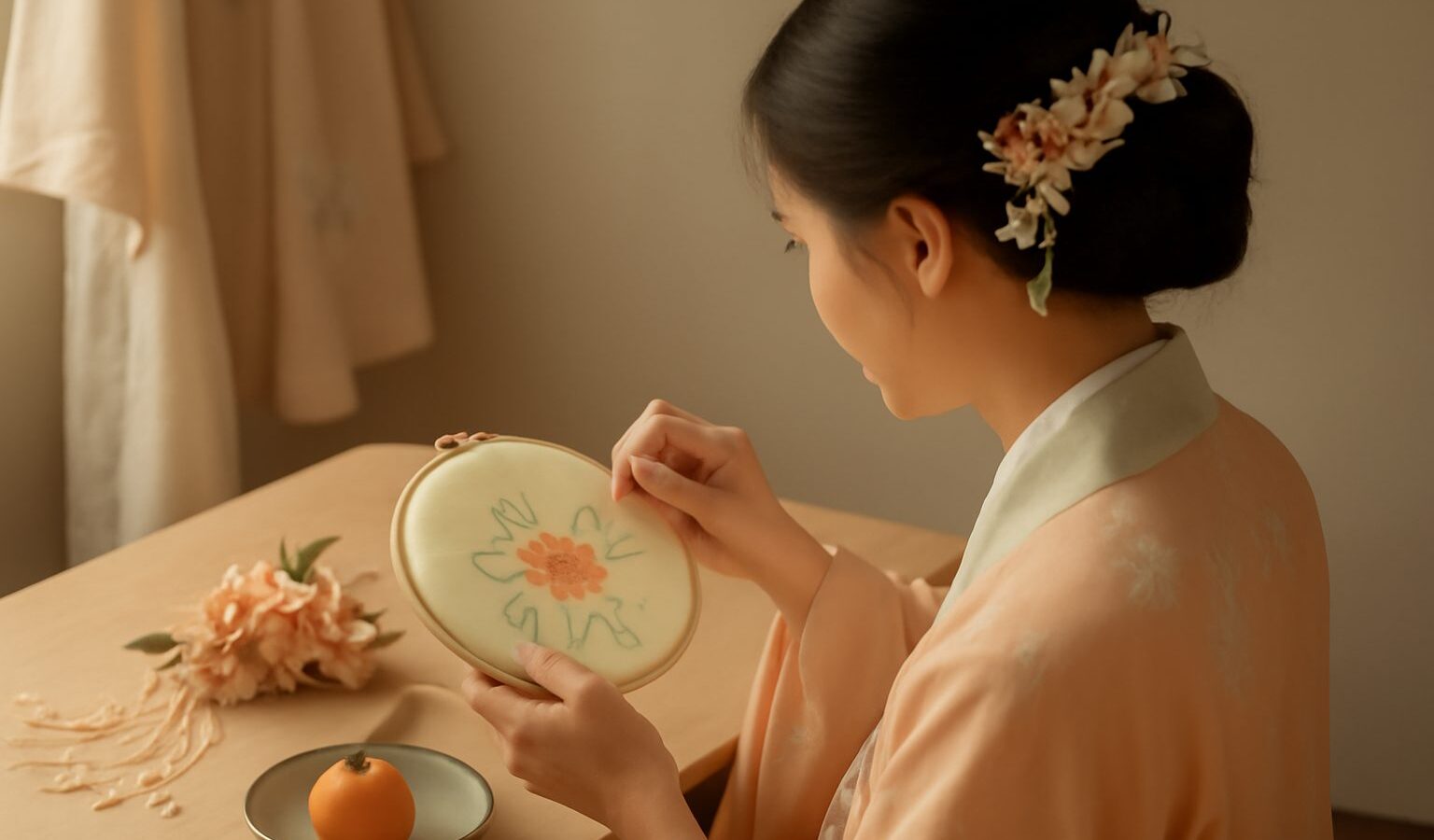
Hanfu (汉服), the traditional clothing style associated with the Han Chinese, has seen a big revival among young people in China and around the world. If you have moved to Singapore and brought your love of Hanfu with you, you may have noticed that ready-made pieces and accessories are harder to find here than on Taobao or in a Hanfu shop back home. Many enthusiasts solve this by making their own. This guide to hanfu accessories Singapore makers can try covers the main DIY crafts, where to find materials locally, how to learn and how to wear your creations respectfully in a multicultural city.

Why Make Your Own Hanfu Accessories
Accessories are often the most personal part of a Hanfu outfit. A hairpin, an embroidered collar edge or a hand-made pouch can show your taste and the dynasty style you love, whether that is Song, Ming or Tang inspired.
Reasons Singapore-based enthusiasts turn to DIY:
- Matching your outfit exactly. You can choose colours and motifs that suit a specific garment.
- Shipping and timing. Ordering from overseas takes time, and small fragile items like hairpins can be damaged in transit.
- A relaxing hobby. Embroidery and flower making are slow, mindful crafts, a nice balance to a busy work life.
- Connecting with culture. For newcomers far from home, making traditional pieces can feel like keeping a link to familiar culture.
The Main Crafts: What You Can Make
Here are the popular accessory crafts linked to Hanfu culture, explained simply.
Hand embroidery (刺绣). Embroidery decorates collars, sleeve cuffs, waist sashes, pouches (荷包) and fan covers. Beginners often start with simple satin stitch flowers or cloud motifs on a small hoop. If you are new to stitching, our guide to getting started with embroidery and cross-stitch covers basic tools and stitches. For deeper background on regional styles such as Su, Xiang, Shu and Yue embroidery, see traditional Chinese embroidery.
Hairpins and hair sticks (簪 and 钗). A single hair stick (簪) or a two-pronged pin (钗) can be decorated with beads, metal charms, flowers or tassels. Many hobbyists buy plain metal or wooden pin bases and add their own decoration.
Step-shaking hairpins (步摇). These have dangling elements that sway as you walk. They involve wirework and attaching chains, beads or small charms.
Velvet flowers (绒花). Ronghua are flowers made from twisted silk velvet on copper wire. They take patience and specific tools, but the results are striking.
Silk-wrapped flowers (缠花). Chanhua involves wrapping silk thread around shaped paper or card pieces, then assembling them into petals and flowers. It is a good beginner-friendly craft with simple tools.
Kingfisher-style imitation (点翠 style). Historical diancui used real kingfisher feathers. Modern makers use ribbon, enamel paint or coloured paper to create a similar blue effect, which is the ethical and legal choice today.
Tassels, knots and pendants (流苏 and 中国结). Waist pendants (禁步 or 压襟) and tassels use Chinese knotting, beads and cord.
Comparing Accessory Crafts for Beginners
Use this table to choose where to start.
| Craft | Difficulty for beginners | Main materials | Good first project |
|---|---|---|---|
| Silk-wrapped flowers (缠花) | Easy to moderate | Silk or embroidery thread, card, glue, wire | A single small flower for a hair clip |
| Hand embroidery (刺绣) | Easy to start, slow to master | Hoop, needles, silk or cotton thread, fabric | An embroidered pouch or small patch |
| Beaded hair sticks (簪) | Easy | Pin bases, beads, wire, pliers | A simple hair stick with a bead cluster |
| Step-shaking hairpins (步摇) | Moderate | Wire, chains, jump rings, charms | A pin with two short dangling strands |
| Velvet flowers (绒花) | Moderate to hard | Silk velvet, copper wire, special brushes, scissors | One simple bud or leaf |
| Chinese knots and tassels | Easy to moderate | Knotting cord, beads, scissors | A short waist pendant |
Finding Tools and Materials in Singapore
You will not always find Hanfu-specific supplies, but many general craft materials work well.
- Craft and haberdashery stores. Shops in major malls and heartland neighbourhood centres usually stock embroidery hoops, needles, threads, beads, wire and basic jewellery findings like jump rings and pin bases.
- Fabric districts. Areas known for textile shops sell silk, satin, brocade and trims. These are useful for pouches, sashes and fabric flowers.
- Bead and jewellery-making suppliers. Good for metal findings, chains and charms for step-shaking hairpins.
- Online marketplaces. Local e-commerce platforms carry many supplies, and some sellers ship specialised items such as ronghua velvet or chanhua thread from overseas.
- Ordering from China. Many newcomers still order specialist kits through Chinese platforms. Delivery times and import rules can vary, so check shipping terms. For larger or commercial quantities, check Singapore Customs rules on its official website.
Tip: bring a photo of your outfit when buying thread or beads so you can match colours accurately under shop lighting.
Learning and Finding a Community
Learning with others is more fun and faster than learning alone.
- Online tutorials. Chinese video platforms and social media have many detailed tutorials in Mandarin for chanhua, ronghua and hairpin making. Search with Chinese terms such as 缠花教程 or 发簪DIY.
- Hanfu and cultural interest groups. Singapore has informal Hanfu enthusiast groups that organise meetups, photo walks and festival gatherings. These are often found through social media, Xiaohongshu (小红书) or WeChat groups. Ask members where they buy materials locally.
- Community centre and craft workshops. Community centres, run under the People’s Association, and private craft studios sometimes hold embroidery, Chinese knotting or flower-making classes. Course availability changes, so check current listings.
- Cultural institutions. Museums and cultural centres occasionally run talks or workshops linked to Chinese festivals and traditional crafts. Check their official event pages.
When you join a group, share your work and ask for feedback. Experienced makers are usually happy to explain techniques.
Caring for and Storing Your Accessories
Singapore’s humidity is hard on delicate handmade pieces.
- Keep them dry. Store silk flowers and embroidered items in sealed boxes with moisture absorbers to prevent mould and colour fading.
- Avoid crushing. Use compartment boxes or foam inserts so petals and dangling parts do not tangle. Our guide to organising your jewellery and accessories has useful storage ideas.
- Protect metal parts. Wipe metal findings after wearing, since sweat can cause tarnish.
- Keep away from direct sunlight when not in use, as bright light can fade silk threads.
Wearing Hanfu Accessories in Singapore
Singapore is a multicultural city, and traditional clothing from many cultures is a familiar sight, especially during festivals such as Chinese New Year and the Mid-Autumn Festival. Wearing your handmade Hanfu accessories is generally welcomed.
A few practical points:
- Heat and humidity. Lightweight pieces work better for outdoor events. Heavy hair ornaments can be uncomfortable on hot days.
- Everyday wear. A single embroidered pouch or a simple hair stick works well with modern outfits too, a gentle way to bring Hanfu style into daily life.
- Photography spots. Gardens, heritage districts and parks are popular for Hanfu photoshoots. Follow venue rules, and check whether a permit is needed for organised or commercial shoots at a given location.
- Sharing culture. People may ask about your outfit. It is a nice chance to explain the craft and history.
Getting Started This Week
- Choose one craft from the table above.
- Watch two or three tutorials and list the materials.
- Buy a small starter set from a local craft or haberdashery shop.
- Make one simple piece, such as a chanhua flower clip or a beaded hair stick.
- Join a local Hanfu or craft group to share it and learn more.
Making your own Hanfu accessories is a rewarding way to stay connected with Chinese culture while building a creative routine in your new home. Start small, enjoy the process, and your collection will grow piece by piece.
Frequently Asked Questions
Is making hanfu accessories expensive to get started? It can be quite affordable. Simple crafts like silk-wrapped flowers or beaded hair sticks need only basic tools and small amounts of material. Start with one small project before buying specialist kits, since costs rise with metalwork, silk velvet and imported supplies.
Can I sell the hanfu accessories I make? You can generally sell handmade items, but check the rules of the platform or market you use, and be honest about materials. If sales become regular income, check with IRAS whether it needs to be declared. Avoid materials such as real kingfisher feathers.
Are these crafts suitable for children? Some are, with adult supervision. Embroidery and beaded pins suit older children, but needles, wire and pliers are sharp, and small beads are a choking risk for young ones. Pick simple projects, choose child-safe tools, and stay with them while they work.
Is it appropriate for non-Chinese people to wear hanfu in Singapore? Hanfu is a traditional clothing style tied to Han Chinese culture, and in multicultural Singapore, wearing traditional dress from different cultures is a familiar sight. Wearing it with respect and curiosity is generally welcomed. Learning its meaning and wearing it properly is a good way to show care.
How long does a first handmade hairpin or flower take? A simple first piece such as a small beaded stick or flower clip can often be done in a few hours, depending on your pace and the pattern. Finer work like velvet flowers takes much longer. Rushing causes mistakes, so treat the first one as practice.