
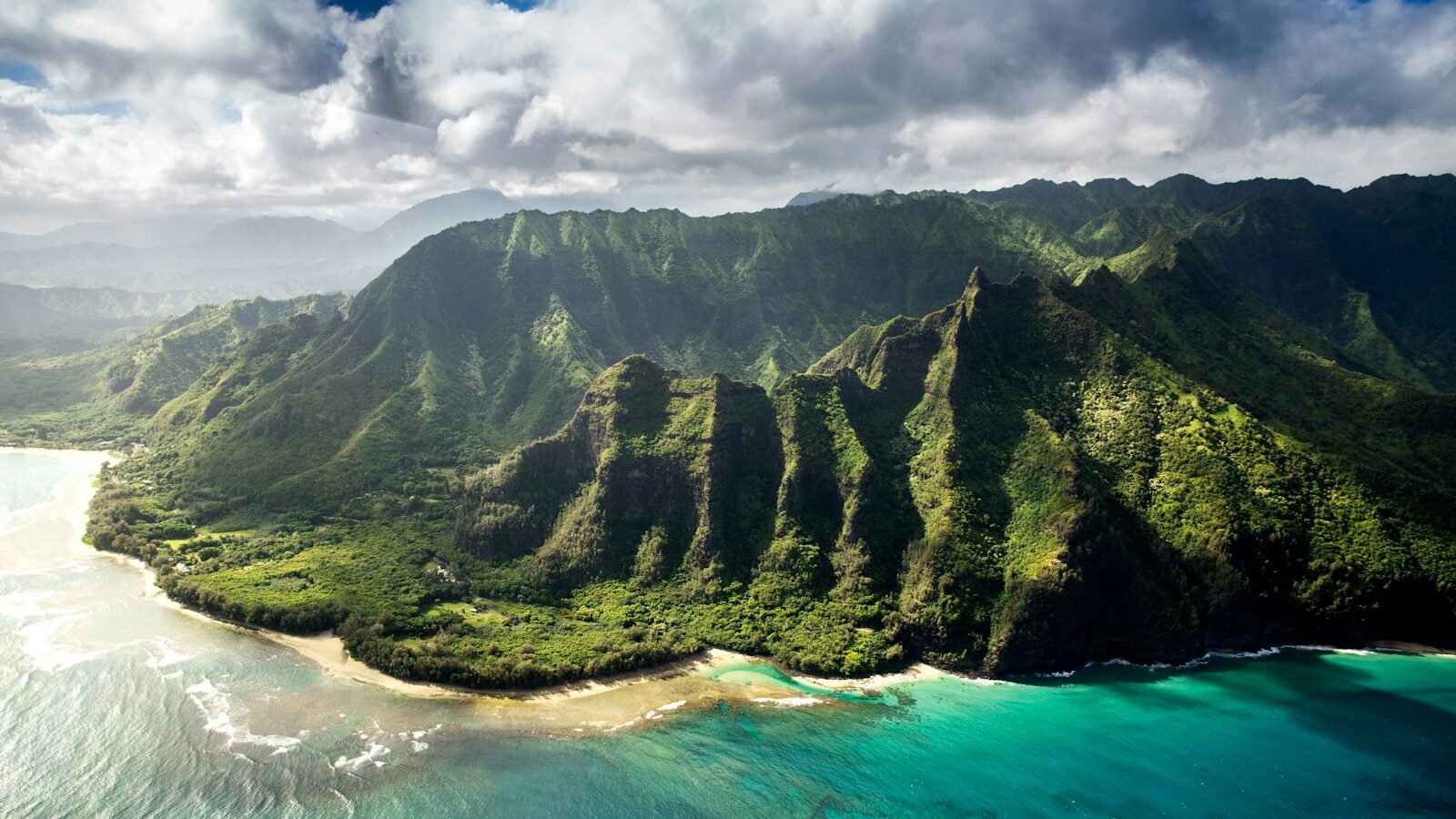
Golden beaches, emerald valleys, active volcanoes and a warm aloha spirit: Hawaii is a Pacific paradise that sits high on many Singaporean bucket lists. Planning Hawaii from Singapore takes a long flight and some transit, but this string of islands rewards you with surf, hikes, sunsets and a laid-back culture unlike anywhere else. This guide breaks down the main islands, flights, seasons, food and the practical details so you can plan a trip that fits your style.
Hawaii is a group of islands in the central Pacific and a state of the United States. Most visitors focus on a few of the main islands, each with its own personality, from the buzz of Honolulu to the volcanic drama of the Big Island. You can island-hop or settle into one and unwind.
Getting to Hawaii from Singapore
There are no non-stop flights between Changi and Hawaii, so expect at least one connection, often on the United States mainland or in an Asian or Pacific hub. Many travellers route through a West Coast city such as Los Angeles, San Francisco or Seattle, then take a flight across the Pacific to Honolulu on Oahu. Others connect through Tokyo or another Asian gateway with direct services to Honolulu.
Total travel time, counting transit, commonly runs from around 18 to 24 hours or more depending on your routing and layovers, so this is a proper long-haul journey. Honolulu is the main gateway, and from there short inter-island flights link Maui, Kauai and the Big Island. Check current fares and schedules directly, as Pacific routings vary widely by season and airline.
Choosing Your Island
Part of planning Hawaii is deciding which island or islands suit you. This comparison covers the four most popular.
| Island | Vibe | Best for | Highlights |
|---|---|---|---|
| Oahu | Lively, iconic | First-timers, city and surf | Waikiki, Pearl Harbor, North Shore |
| Maui | Balanced, scenic | Couples, families | Road to Hana, Haleakala, beaches |
| Kauai | Lush, quiet | Nature lovers, hikers | Na Pali Coast, canyons, waterfalls |
| Big Island | Diverse, dramatic | Volcanoes, variety seekers | Volcanoes National Park, black sand beaches |
If it is your first visit, Oahu makes an easy base with the most flights and services. With more time, add Maui or the Big Island for contrast.
Best Time to Visit Hawaii
Hawaii enjoys warm, pleasant weather year-round, so there is no truly bad time to go. There are, however, subtle seasons.
- Summer (roughly May to October): drier and warmer, calmer seas on many south-facing beaches, peak family travel.
- Winter (roughly November to April): slightly wetter and cooler, bigger surf on north shores, prime whale-watching season.
- Shoulder periods (spring and autumn): often the sweet spot for pleasant weather, thinner crowds and better value.
Note that big north-shore waves in winter are for experienced surfers, while gentler south-shore beaches suit families and swimmers.
Top Things to See and Do
Hawaii mixes beach relaxation with real adventure. On Oahu, learn to surf at Waikiki, pay respects at Pearl Harbor, watch big-wave surfers on the North Shore and hike up Diamond Head for the view. On Maui, drive the winding, waterfall-lined Road to Hana and catch sunrise above the clouds at Haleakala. On the Big Island, stand near active lava landscapes at Volcanoes National Park and snorkel in clear bays. On Kauai, marvel at the cliffs of the Na Pali Coast and the colours of Waimea Canyon.
Across the islands you can snorkel or dive with turtles and reef fish, join a traditional luau, or simply find a quiet beach and watch the sunset. Respect ocean conditions and posted warnings, as currents can be strong.
Where to Stay
Accommodation ranges from resort towers to condos, guesthouses and vacation rentals.
- Waikiki, Oahu: walkable beachfront with hotels, dining and nightlife, ideal for first-timers.
- Ko Olina and the North Shore, Oahu: quieter resort and surf-town alternatives.
- Kaanapali and Wailea, Maui: classic resort areas for couples and families.
- Kona and Hilo, Big Island: sunny west coast versus lush, rainy east coast.
- Poipu and Princeville, Kauai: relaxed bases for nature and beaches.
Condos and vacation rentals suit families who want kitchens and space. Book early in peak periods and check current rates directly.
Food and Dining
Hawaiian food is a delicious blend of Pacific and Asian influences. Try poke bowls of fresh raw fish, plate lunches, kalua pork from an underground oven, fresh tropical fruit, shave ice and locally grown coffee. The strong Asian heritage means you will find plenty of familiar flavours too.
For halal travellers, Hawaii does not have a large certified-halal scene outside Honolulu, where a handful of options exist, so plan ahead and lean on seafood, vegetarian dishes and self-catering from well-stocked supermarkets. Fresh fish and produce are excellent, and vegetarians and vegans will find good choices, especially in tourist areas and health-focused cafes. Ask about ingredients where you have specific requirements, as pork is common in local dishes.
Getting Around
Each island is best explored by car, and renting one gives you the freedom to reach beaches, trailheads and viewpoints. Remember that the United States drives on the right, the opposite of Singapore, so take care until you adjust. Oahu has the most public transport, including a bus network around Honolulu, but the other islands are car-dependent. Inter-island travel is by short flights, and some routes also have ferry services. Parking at popular sites can be limited, so arrive early.
Practical Tips for Singapore Travellers
Hawaii is part of the United States, so entry usually involves the Electronic System for Travel Authorization or a visa. Requirements for Singapore passport holders can change, so check the latest official United States guidance and ICA before booking, and apply for any travel authorisation well ahead. Consult MFA travel advisories for current safety information; Hawaii is generally safe, with ocean conditions being the main hazard.
A few more pointers:
- Currency is the United States dollar; cards are widely accepted and tipping is customary.
- English is the main language, alongside Hawaiian.
- Reef-safe sunscreen is encouraged to protect the marine environment.
- Respect sacred sites and local customs, and never touch or disturb wildlife such as turtles and monk seals.
- For any health precautions, see a doctor or travel clinic before departure; this is general information, not medical advice.
Compared with a quick regional beach trip, Hawaii demands more flight time and budget, but it delivers world-class beaches, volcanoes and a culture worth slowing down for. Give yourself a week or more, avoid rushing between islands, and let the aloha spirit set the tone.
Explore more
For another epic long-haul island adventure, read our New Zealand from Singapore guide, or focus on its adventure capital with our Queenstown from Singapore guide. If you are routing through a mainland United States city, our New York from Singapore guide makes a great add-on read.