
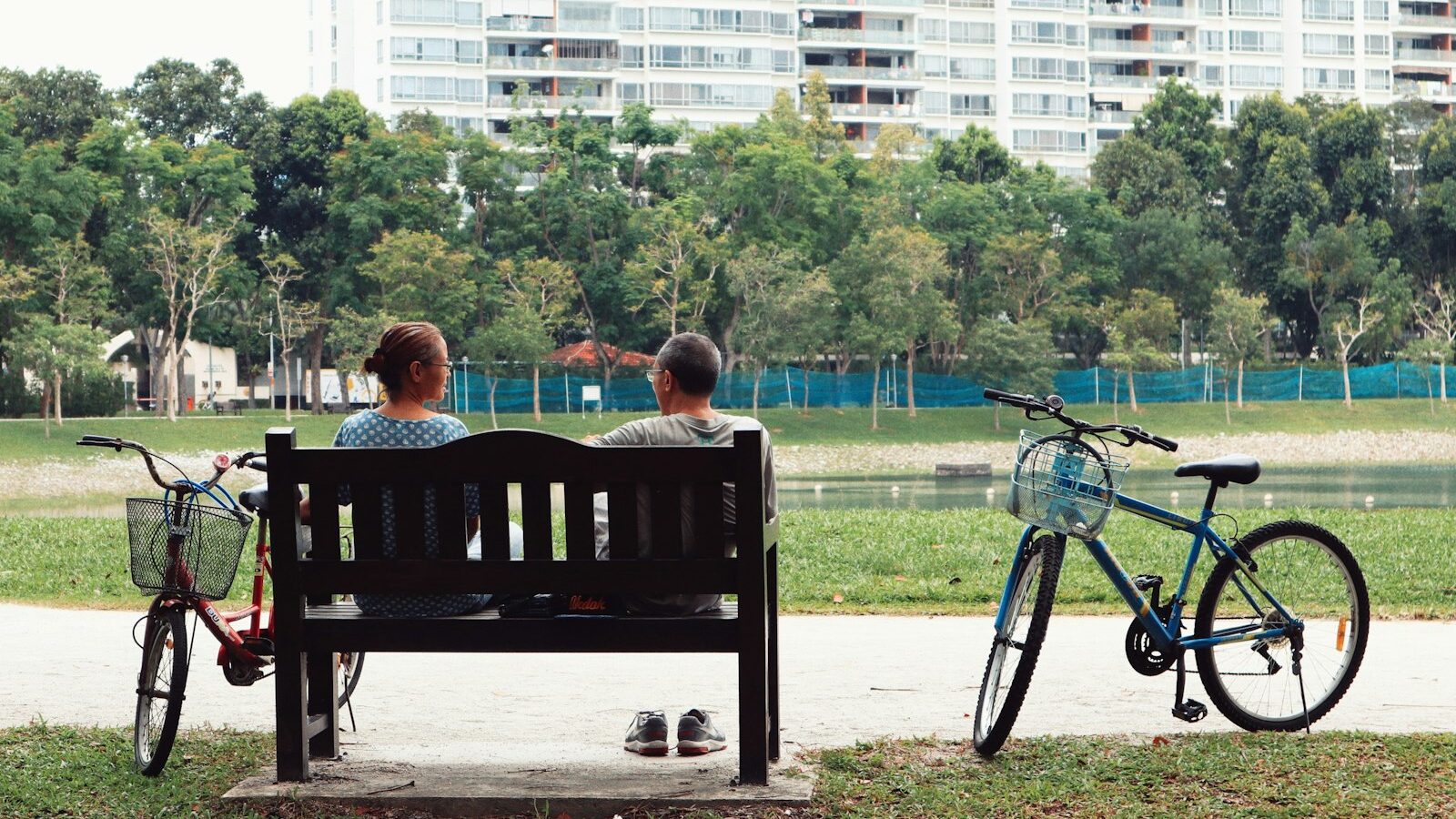
Many older Singaporeans live on their own, and most manage well. But if you have noticed changes in an elderly neighbour living alone, such as newspapers piling up, an unusual smell, or not seeing them for days, it is natural to worry. Neighbours are often the first to spot when something is wrong, simply because they are close by.
This guide explains the warning signs, how to check in without being intrusive, and who to contact in Singapore if you are concerned. It is general information, not medical or legal advice. In an emergency, always call for help first.

Warning Signs Worth Noticing
Some changes are small and easy to explain. Others suggest your neighbour may need support. Signs to look out for include:
- Changes in routine: you usually see them at the market or void deck every morning, and now you have not seen them for several days.
- Uncollected items: letters, flyers or newspapers building up at the door, or deliveries left outside.
- Lights and sounds: lights on day and night, a television running constantly, or no sound at all when there usually is.
- Smells: a strong unpleasant smell from the flat, which could signal spoiled food, poor hygiene or, rarely, something more serious.
- Appearance: visible weight loss, unwashed clothes, wearing heavy clothing in hot weather, or new bruises from falls.
- Confusion: forgetting who you are, getting lost in the block, or repeating the same questions.
- Household problems: a leaking pipe or broken light left unrepaired, or a flat that seems to be getting very cluttered.
- Low mood: withdrawing from conversation, mentioning they have no one, or seeming much sadder than before.
One sign on its own may mean little. A pattern of changes is a stronger reason to act.
How to Check In Kindly
Many seniors value their independence and may feel embarrassed if they think they are being watched. A friendly, low-key approach usually works best.
- Start with ordinary contact. A greeting in the corridor, a chat at the lift lobby or sharing some festive goodies is a natural way to build trust.
- Knock and say who you are. If you have not seen them in a while, knock, call out your name and unit, and say you just wanted to check they are well.
- Offer specific help. “I am going to the market, do you need anything?” is easier to accept than a vague “Let me know if you need help.”
- Respect their choices. If they decline help, accept it politely and keep the door open. Our guide on when an elderly parent refuses help has ideas that also apply to neighbours.
- Ask about family. Gently ask if they have children or relatives you could contact in an emergency. Some seniors are glad to share a number.
- Use their language. If you share a dialect or language, speaking it can put them at ease.
Avoid entering their home uninvited, handling their money, or taking decisions for them. Your role is to be a caring neighbour, not a caregiver.
Who to Contact and When
Singapore has a network of services for seniors. Choosing the right one depends on how urgent the situation is.
| Situation | Who to contact | What they can do |
|---|---|---|
| Medical emergency, such as collapse, breathing difficulty or no response after a fall | Call 995 for the Singapore Civil Defence Force (SCDF) ambulance | Send emergency medical help |
| Urgent concern for safety, such as no response for days with signs something is wrong | Call 999 for the police | Conduct a welfare check and gain entry if needed |
| Ongoing concern about wellbeing, loneliness or daily living | Agency for Integrated Care (AIC) or the Silver Generation Office | Assess needs and link the senior to community care services |
| Wish to connect them with activities and befrienders | The nearest Active Ageing Centre | Offer social activities, befriending and check-ins |
| Clutter, pests or maintenance problems affecting neighbours | Town Council | Help with common-area and estate issues |
The Agency for Integrated Care (AIC) coordinates care services for seniors and can advise on options such as home care, befriending and community support. Contact details are on the AIC website.
The Silver Generation Office, part of AIC, has Silver Generation Ambassadors who visit seniors in the community to share information about schemes and check on their wellbeing. You can ask them to look in on a senior you are concerned about.
Active Ageing Centres in many neighbourhoods run activities and befriending programmes. Some offer regular check-ins for seniors who live alone. Search for the nearest one on the AIC website or ask at your community centre.
Your Member of Parliament’s Meet-the-People Session or the local Residents’ Network can also be a starting point if you are unsure where to go.
Service names, coverage and contact details can change, so check the current information on the official websites before you call.
If You Think Something Is Seriously Wrong
If you have not seen your neighbour for several days and notice worrying signs, such as an unusual smell, mail piling up, and no answer at the door, do not wait. Call 999 and explain what you have observed. The police can carry out a welfare check and, if necessary, arrange entry to the flat.
If you can see or hear that someone is injured, call 995 immediately. Stay calm, give the block and unit number clearly, and follow the operator’s instructions.
Do not try to break in yourself. Leave forced entry to the authorities.
Supporting Them Over Time
Small, steady actions can make a real difference to a senior who lives alone:
- Regular contact. A brief chat a few times a week can ease loneliness and helps you notice changes.
- Share information. Let them know about nearby Active Ageing Centres, community events and free health screenings.
- Encourage them to stay connected. Suggest they keep a list of emergency contacts by the phone.
- Help with simple tasks. Carrying heavy groceries or reading a confusing letter can be a big help.
- Watch for health changes. Poor eating is common among older people who live alone. Our guide to poor appetite in older adults explains what might be behind it.
- Involve others. Talk to other neighbours you trust so there is more than one person looking out.
If the flat is becoming very cluttered or unsanitary, the issue may be more complex. Our guide on a neighbour who is hoarding covers that situation.
Looking After Yourself Too
Caring about a neighbour can be stressful, especially if they are unwell or reluctant to accept help. You are not responsible for solving everything. Once you have raised your concern with the right agency, let the professionals take the lead. Keep being a friendly presence, and know that you have done something valuable.
A Good Neighbour Makes a Difference
An elderly neighbour living alone may never ask for help, but a kind word, a regular check-in and knowing who to call can protect their safety and wellbeing. Notice the signs, approach with respect, and use Singapore’s network of care services when you are concerned. In an emergency, call 995 or 999 first.
Explore more: How to Be a Good Neighbour in Singapore
Official sources: Agency for Integrated Care