
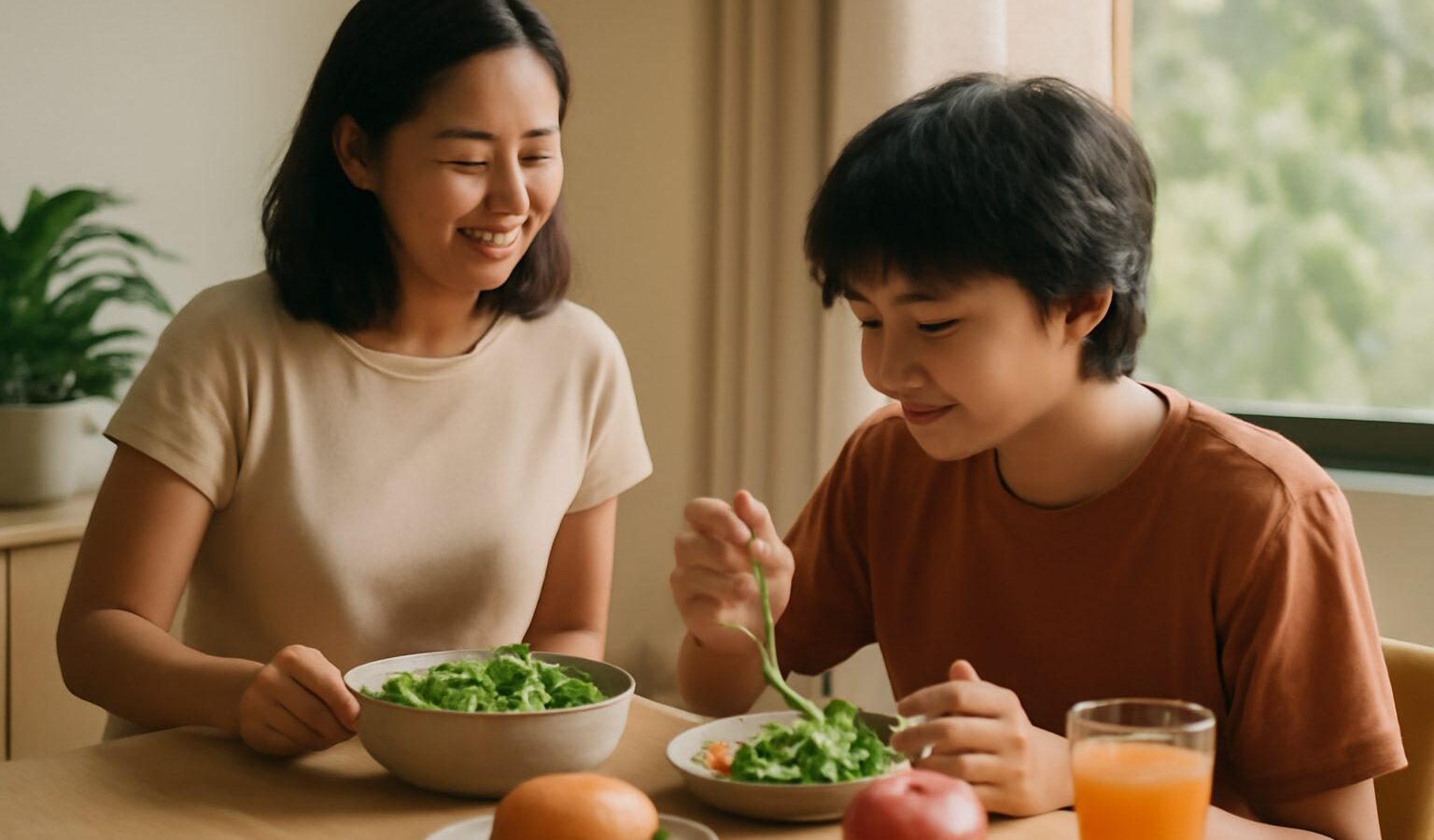
The teenage years are a season of fast growth, packed schedules and a lot of eating on the go. Between early morning lessons, CCA, tuition and time with friends, food often gets grabbed rather than planned. If you are trying to help your teenager build healthier habits, the good news is that you do not need a perfect diet or a strict set of rules. Small, steady changes matter far more, and teen nutrition Singapore is really about helping your child feel energised, focused and comfortable in their own body.
This guide keeps things practical and kind. The aim is general healthy eating, not weight loss or restriction. Teenagers are still developing, and food should support that, not become a source of stress or shame.
Start With Everyday Realities, Not Ideal Diets
Most Singaporean teens eat several meals outside the home each week, often at the hawker centre, food court or school canteen. That is completely normal, and it can be part of a healthy routine. Instead of banning favourite dishes, help your teen make small swaps and additions that add up over time.
A few gentle ideas you can share without lecturing:
- Ask for more vegetables where possible, such as extra greens with chicken rice or a side of tau gee and vegetables with economic rice.
- Choose soup-based dishes like sliced fish soup, yong tau foo or ban mian on some days, alongside the fried favourites.
- Add a source of protein such as egg, tofu, fish or chicken to keep them full through long school days.
- Keep water or plain drinks handy, since sweetened bubble tea and soft drinks add up quickly when they are a daily habit.
The point is balance across the week, not guilt over a single meal. If your teen loves nasi lemak or a plate of char kway teow now and then, that is fine. A relaxed attitude helps prevent the all or nothing thinking that often leads to disordered patterns later.
Breakfast is worth a gentle nudge too. A teen who skips breakfast may feel tired or unfocused by mid morning. Even something simple such as wholemeal bread with egg, a banana, plain yoghurt or leftover rice with vegetables can steady their energy before a busy day.
Build Skills, Independence and a Healthy Relationship With Food
One of the most useful things you can do is help your teenager become confident around food, so they can look after themselves as they grow more independent. Involving them in simple cooking, grocery shopping and meal ideas gives them ownership rather than orders from above. If you want to go further, our guide on teaching your teen to cook and be self-sufficient has easy starting points, and you may also find our broader look at children’s nutrition and healthy eating helpful for the whole family.
Try to keep conversations about food positive and non-judgemental. Comments about weight, portion sizes or a teenager’s body, even well meaning ones, can stick and hurt. Focus instead on how food helps them feel, such as having enough energy for training, thinking clearly during exams or sleeping better at night.
Sleep, movement and stress all shape eating too. Exam pressure is real for Singaporean teens, and stress can lead to skipping meals or snacking mindlessly. Regular movement, whether that is CCA, a walk, cycling or a sport they enjoy, supports both mood and appetite. If you notice signs of anxiety affecting your teen’s eating or wellbeing, our piece on supporting your teen’s mental wellbeing offers gentle, practical support.
Be especially attentive to body image. Teens are surrounded by social media images and comparison, and some may start restricting food, exercising excessively or worrying intensely about their appearance. If you would like guidance on navigating this sensitively, see our article on helping teens with body image.
When to Seek Extra Support
Everyday ups and downs in appetite are normal. However, some signs deserve professional attention rather than a wait and see approach. Speak to a doctor, and consider involving the school counsellor, if you notice any of the following persisting over time:
- Deliberately skipping meals, secretive eating, or strong distress around food.
- Rapid weight changes, obsessive calorie counting, or excessive exercise.
- Low mood, withdrawal, or comments suggesting they dislike their body intensely.
- Fainting, tiredness or physical symptoms that do not settle.
A family doctor, polyclinic or the school health team can guide you to the right help, including a dietitian or psychologist where needed. Reaching out early is a sign of good parenting, not failure.
Helping your teen eat well is less about the perfect plate and more about trust, routine and a calm, encouraging home. Keep offering balanced options, keep the conversation kind, and let your teenager gradually take the wheel. For more on this stage of life, our overview of parenting teenagers in Singapore brings these threads together with warmth and practicality.